
Badrinath Tour Package 2027: Opening Date, Cost, Itinerary & Mana Village
About the Destination
Badrinath Yatra 2027: The Complete Guide from an Uttarakhand DMC
On the banks of the Alaknanda, between the twin mountains of Nar and Narayan, with the snow peak of Neelkanth rising behind, stands the shrine of Lord Badri Narayan. Badrinath is one of the holiest places in Hinduism. It's the only shrine that belongs to both of India's great Char Dham pilgrimages: the four Himalayan Dhams of Uttarakhand, and the national Char Dham of Badrinath, Dwarka, Puri and Rameswaram.
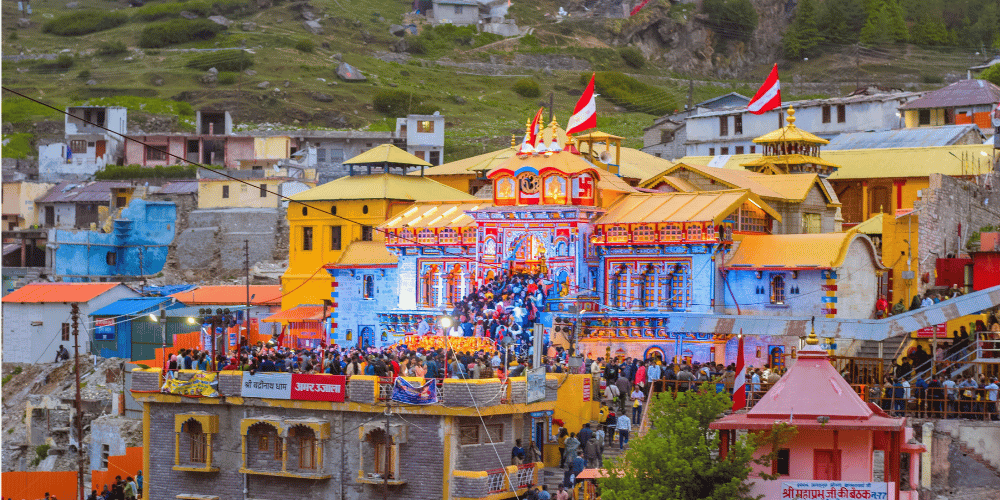
Unlike Kedarnath and Yamunotri, Badrinath can be reached entirely by road. That makes it the most accessible of the four Himalayan Dhams, and the favourite of families, senior citizens and pilgrims who can't manage a long trek. The journey still takes you deep into the mountains. You follow the Ganga and Alaknanda upstream past the five sacred confluences, the Panch Prayag, through Joshimath (Jyotirmath), to a valley at about 3,300 metres, just a few kilometres from the Tibet border.
The temple is open for only about six months a year. In 2027, the season starts later than usual, so May and June will be very busy, and September–October becomes an even better window for a peaceful darshan.
SnazzyTrips is a Destination Management Company (DMC) based in Haldwani, and we've worked only in Uttarakhand since 2003. We plan Badrinath yatras around realistic mountain driving times, comfortable halts in Rudraprayag and Joshimath, mandatory registration, and verified stays near the temple.
This guide covers everything you need for 2027: the expected opening date, package prices, how to reach Badrinath, darshan and puja, Mana Village, the Panch Badri, the best months, what to pack, and how to combine Badrinath with Kedarnath, Auli and the Valley of Flowers.
Quick Answer
Packages: Badrinath tour packages for 2027 start from about ₹12,000 per person for a 5-day yatra from Haridwar. The 8-day Kedarnath–Badrinath Do Dham costs ₹22,900, and the full Char Dham starts from ₹31,900.
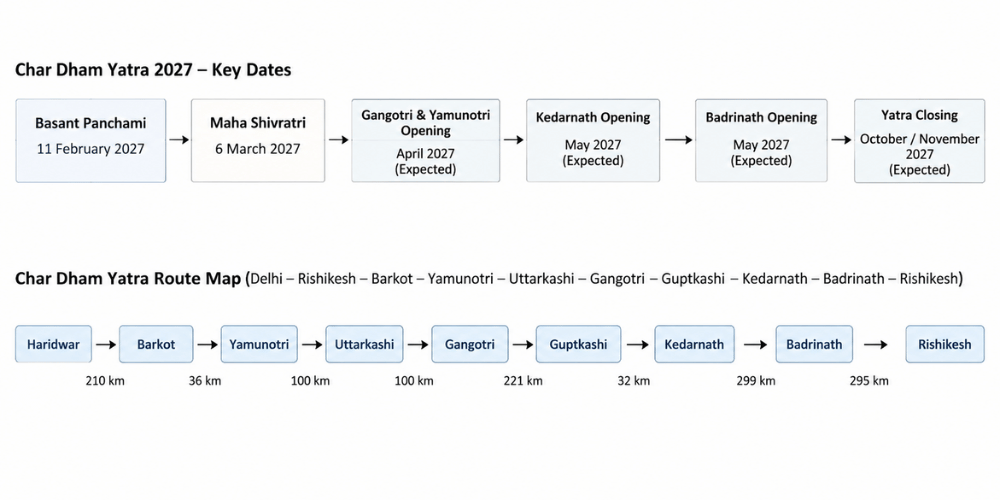
Opening date: Badrinath is expected to open in May 2027. The exact date is announced on Basant Panchami, 11 February 2027.
Access: Badrinath is reached entirely by road from Haridwar (about 320 km), and registration is mandatory.
Badrinath 2027 in 12 Key Facts
Badrinath is the abode of Lord Vishnu as Badri Narayan, on the Alaknanda river in Chamoli district, Uttarakhand.
It's at about 3,300 m, between the Nar and Narayan mountains, with Neelkanth peak behind.
It's the only shrine that's part of both the Uttarakhand Char Dham and the national Char Dham.
It's one of the 108 Divya Desams and the first of the Panch Badri.
Badrinath is reached entirely by road; no trek is needed.
It's about 320 km from Haridwar, usually covered over 2 days with a halt at Rudraprayag or Joshimath.
The 2027 opening date is announced on Basant Panchami, 11 February 2027, at the Tehri royal palace in Narendranagar.
An opening in May 2027 is expected, since Akshaya Tritiya falls on 8–9 May 2027.
The temple usually closes in mid-to-late November; the date is announced on Vijayadashami.
Registration with Uttarakhand Tourism is mandatory for every pilgrim.
Mana Village, officially "India's First Village", is 3 km away.
SnazzyTrips packages that include Badrinath start from about ₹12,000 (5 days from Haridwar). The Do Dham starts at ₹22,900 and the Char Dham at ₹31,900.
Badrinath at a Glance
Badrinath 2027 Opening Date
How the Badrinath Opening Date Is Decided
The Badrinath temple doors (kapat) open on a date fixed each year by tradition. The date is announced on Basant Panchami at the royal palace of the Tehri kings in Narendranagar, after priests consult the horoscope of the Tehri royal family.
In 2027:
Basant Panchami falls on 11 February 2027, when the opening date is expected to be announced.
Akshaya Tritiya, when Yamunotri and Gangotri open, falls on 8–9 May 2027.
Badrinath usually opens around the same time or a few days later, so expect an opening in May 2027.
The Gadu Ghada Ceremony
On the same day, the date for the Gadu Ghada ceremony is also fixed. Sesame oil for the deity's abhishek is extracted by the women of Narendranagar and filled into a sacred pot, the Gadu Ghada. The pot is then carried in a procession towards Badrinath before the doors open. It's one of the most special traditions of the Badrinath season.
The Closing Date
The Badrinath closing date is announced on Vijayadashami, and the temple usually closes in mid-to-late November. Before the closing, five days of special Panch Puja are performed. After the doors close:
the idols of Uddhav and Kuber are taken to the Yogdhyan Badri Temple in Pandukeshwar
Adi Shankaracharya's seat (gaddi) is taken to the Narsingh Temple in Joshimath
Worship continues at these winter seats until the doors reopen.
We'll update this page as soon as the official date is announced on 11 February 2027.
💡 SnazzyTrips Insight: Should You Go in the Opening Week?
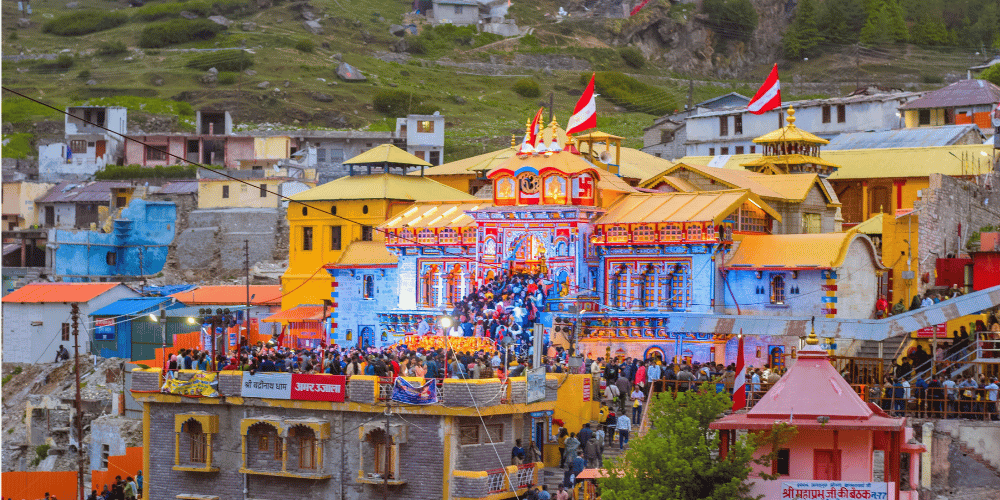
Every season, our team sees the same pattern. The first days after the doors open bring the biggest crowds of the year:
long darshan queues
full hotels in Badrinath and Joshimath
heavy traffic regulation on the highway
What our team recommends:
If witnessing the opening matters to you (the Gadu Ghada and the first darshan), book as soon as the date is announced on 11 February, and accept the crowds as part of the experience.
If you want a calm darshan, plan for 2–3 weeks after the opening, or for mid-September to mid-October.
Senior citizens: we usually advise avoiding the opening week completely.
Why Badrinath Is So Sacred
Lord Vishnu's Abode
Badrinath is the abode of Lord Vishnu as Badri Narayan. Legend says Vishnu meditated here in the cold, and Goddess Lakshmi sheltered him by taking the form of a badri (jujube) tree, which gives the place its name.
Nar and Narayan
The two mountains facing each other at Badrinath are named after Nar and Narayan, twin sages who are believed to be forms of Vishnu and who meditated here for thousands of years.
Adi Shankaracharya and the Idol
Adi Shankaracharya is traditionally credited with re-establishing Badrinath in the 8th century. He is believed to have found the black Shaligram stone idol of Badri Narayan in the Narad Kund and enshrined it. He also founded Jyotirmath at Joshimath, one of his four mathas.
The Kerala Connection
By tradition, the chief priest of Badrinath, the Rawal, comes from a Namboodiri Brahmin family of Kerala, the home state of Adi Shankaracharya. This tradition continues today.
One of the 108 Divya Desams
Badrinath is one of the 108 Divya Desams, the sacred Vishnu temples praised by the Alvar saints. That's why it's especially important for pilgrims from South India.
The Panch Badri
Pilgrims with extra time can visit some of the other four Badri temples on the way.
Badrinath Tour Packages 2027
Prices are per person on a sharing basis and vary with season, group size and hotel category.
Which Badrinath Package Is Right for You?
💬 What Our Team Recommends Most Often
When families call us unsure what to choose, this is our usual advice:
Seniors or first-time pilgrims with limited time: the 5-day Badrinath-only yatra. It has no trek and comfortable halts, and it's the least tiring.
Families who want two Dhams and can manage one trek (or a helicopter): the 8-day Kedar–Badri Do Dham.
Families with 10+ days and good fitness: the full Char Dham. Avoid compressing it into fewer days.
What we don't recommend: Combining Badrinath, Kedarnath and Auli in 5–6 days. It looks possible on a map, but the driving times make it exhausting, especially for elderly travellers.
How to Reach Badrinath
Short answer: Travel to Haridwar or Rishikesh, then drive about 300–320 km along the Ganga and Alaknanda via Devprayag, Rudraprayag, Karnaprayag, Chamoli and Joshimath to Badrinath. Most pilgrims break the journey at Rudraprayag or Joshimath.
The Road Route and the Panch Prayag
The road to Badrinath passes five sacred river confluences, the Panch Prayag:
Distances and Drive Times
By Train
The nearest railheads are Haridwar and Yog Nagari Rishikesh. From Delhi, the Dehradun Shatabdi and the Vande Bharat reach Haridwar.
By Air
Jolly Grant Airport, Dehradun is the nearest airport (about 300 km from Badrinath). Char Dham helicopter tours from Dehradun also land near Badrinath.
From Other Cities
Uttarakhand tour packages from Delhi
Uttarakhand tour packages from Mumbai
Uttarakhand tour packages from Kolkata
Uttarakhand tour packages from Chennai
Uttarakhand tour packages from Bangalore
Uttarakhand tour packages from Kerala
💡 SnazzyTrips Insight: The Halt That Makes the Difference
The most common planning mistake we see is trying to drive from Haridwar to Badrinath in one day. On a map it's only about 320 km, but on mountain roads with checkpoints and peak-season traffic, it can take far longer.
Where our team prefers to halt:
Breaking the journey also helps with altitude: you sleep lower before reaching Badrinath at about 3,300 m.
Badrinath Registration 2027
Is registration mandatory for Badrinath? Yes. Registration with Uttarakhand Tourism is mandatory for every Char Dham pilgrim, including those visiting only Badrinath. Registration is checked on the route.
Tips:
Register early.
Make sure your registered dates match your itinerary.
Carry your registration (printed and on your phone) and photo ID.
Badrinath Darshan, Puja and Rituals
Darshan Timings
The temple usually opens early in the morning, around 4:30 AM, for the abhishek. It has a midday break and reopens in the afternoon until the night aarti. Timings are set by the temple committee and can vary during the season, so check them on arrival.
Important Rituals
Booking Special Pujas
Special pujas and abhishek are managed by the Shri Badrinath–Kedarnath Temple Committee (BKTC). Book them only through official temple committee channels or authorised counters, not through middlemen. Rules and fees are set by the committee each season.
Tapt Kund
Before darshan, pilgrims traditionally bathe in Tapt Kund, a natural hot spring just below the temple on the Alaknanda. The water is warm even on the coldest mornings, and a dip is believed to purify body and soul.
Brahma Kapal
On the banks of the Alaknanda, near the temple, Brahma Kapal is where pilgrims perform pind daan and shraddh for their ancestors. A ritual here is considered especially meritorious.
Narad Kund and Surya Kund
Narad Kund is the pool where Adi Shankaracharya is believed to have found the idol. Surya Kund is another sacred spring nearby.
🙏 SnazzyTrips Team Recommends: The Right Order for Your Badrinath Rituals
First-time pilgrims often ask us what to do first. This is the order our ground team follows with most families:
Tapt Kund: take a dip in the hot spring before darshan.
Darshan: join the queue for darshan of Lord Badri Narayan.
Special puja (optional): only if booked through official temple committee channels.
Brahma Kapal: perform pind daan or shraddh for ancestors, if planned.
Mana Village: visit after darshan, usually the same day or the next morning.
Why this order works: Tapt Kund is traditionally done before darshan. Brahma Kapal rituals take time and are best done unhurried after darshan. And Mana is a short drive away, so it fits easily afterwards.
🗣️ From Our Ground Team: Real Darshan Experience
In our experience of guiding pilgrims at Badrinath:
The shortest queues are usually early in the morning on weekdays, and after the evening aarti.
The longest queues are usually mid-morning on weekends and holidays in May–June.
For seniors, we plan darshan for the morning after arrival, not on the arrival evening, so they rest first.
Keep footwear and bags simple. Use the official shoe and cloak counters near the temple.
Timings and queue systems are set by the temple committee and can change, so we always confirm on the day.
Mana Village: India's First Village
Just about 3 km from Badrinath, Mana sits near the Indo-Tibet border. It was once called "India's Last Village" and is now officially known as "India's First Village". It's home to the Bhotiya community and is closely linked with the Mahabharata.
Things to See in Mana
Vasudhara Falls
A trek of about 5–6 km from Mana leads to Vasudhara Falls, a tall, sacred waterfall. Legend says its spray doesn't touch sinners. The trek is moderate and takes 3–4 hours return. It's best for fit pilgrims, starting early.
Satopanth Lake (for trekkers)
A multi-day high-altitude trek from Mana leads to Satopanth Lake, a sacred triangular glacial lake. It's for experienced trekkers with proper permits and a guide.
Charan Paduka and Mata Murti Temple
Charan Paduka: A rock with the footprints of Lord Vishnu, about 3 km uphill from Badrinath.
Mata Murti Temple: Near Mana, dedicated to the mother of Nar and Narayan.
🧭 SnazzyTrips Team Tip: Mana Village in About 2 Hours
Our usual route for pilgrims with limited time:
Drive from Badrinath to Mana (about 10 minutes).
Walk up to Ganesh Gufa and Vyas Gufa.
Continue to Bhim Pul to see the Saraswati river.
Stop at the "First Tea Shop of India" for tea and photos.
Browse the hand-knitted woollens sold by villagers on the way back.
Tip: Paths in Mana include steps and uneven stone. Seniors should walk slowly and use a stick. Vasudhara Falls needs a separate half-day and is best only for fit pilgrims.
Badrinath Itineraries 2027
5-Day Badrinath Yatra from Haridwar (most popular)
Day 1: Haridwar → Rudraprayag (about 165 km, 5–6 hours)
Drive via Rishikesh and Devprayag (the confluence where the Ganga is born) to Rudraprayag. Evening at the Rudraprayag confluence. Overnight in Rudraprayag.
Day 2: Rudraprayag → Joshimath (about 110 km, 4–4.5 hours)
Drive via Karnaprayag and Nandprayag to Joshimath (Jyotirmath). Visit the Narsingh Temple and Shankaracharya Math. Overnight in Joshimath.
Day 3: Joshimath → Badrinath (about 45 km)
Drive past Vishnuprayag and Pandukeshwar (Yogdhyan Badri) to Badrinath. Bathe at Tapt Kund, have darshan, and attend the evening aarti. Overnight in Badrinath.
Day 4: Badrinath morning and Mana → Joshimath or Rudraprayag
Early-morning Maha Abhishek darshan. Visit Mana Village, Vyas Gufa, Ganesh Gufa and Bhim Pul. Drive down to Joshimath or Rudraprayag. Overnight there.
Day 5: → Haridwar
Drive back via Devprayag. Drop at Haridwar or Rishikesh.
💡 Why Our Team Plans the 5-Day Itinerary This Way
Two halts going up (Rudraprayag, Joshimath): shorter driving days and gradual altitude gain
Arrival at Badrinath by midday on Day 3: time for Tapt Kund, darshan and the evening aarti without rushing
Morning darshan on Day 4: usually calmer, and the light on Neelkanth is best
Mana after darshan: keeps the spiritual part first and the sightseeing second
Descending on Day 4 itself: sleeping lower is more comfortable, especially for seniors
6–7 Days from Delhi
The same itinerary, plus Delhi → Haridwar at the start and Haridwar → Delhi at the end, via the Delhi–Dehradun Expressway.
6-Day Badrinath + Auli
After Badrinath, spend a day in Auli. In May–June and September–October, Auli offers green meadows, Gorson Bugyal and views of Nanda Devi. (Badrinath is closed in winter, so Auli's snow season can't be combined with Badrinath.)
8-Day Kedarnath–Badrinath Do Dham
Haridwar → Guptkashi → Kedarnath → Guptkashi → Badrinath → Rudraprayag → Haridwar. Do Kedarnath first, then Badrinath, so the hardest part comes when you're freshest.
8–9 Days with Hemkund Sahib and the Valley of Flowers (July–September)
Haridwar → Joshimath → Govindghat → Ghangaria → Valley of Flowers → Hemkund Sahib → Badrinath → Haridwar.
Places to Visit on the Badrinath Route
Devprayag
The confluence of the Alaknanda and Bhagirathi, where the Ganga is born. It's one of the most sacred sights on the route, with the Raghunath temple above the confluence.
Rudraprayag
The confluence of the Alaknanda and Mandakini, and the junction for Kedarnath. It's associated with sage Narad's worship of Shiva.
Karnaprayag and Nandprayag
Two more of the Panch Prayag. Karnaprayag is linked with Karna of the Mahabharata.
Joshimath (Jyotirmath)
Home to Jyotirmath, founded by Adi Shankaracharya
The Narsingh Temple, Badrinath's winter seat
The ancient Kalpavriksha tree
The base for Auli and the Valley of Flowers
Pandukeshwar
Home of the Yogdhyan Badri Temple, one of the Panch Badri and the winter seat of Uddhav and Kuber.
Auli
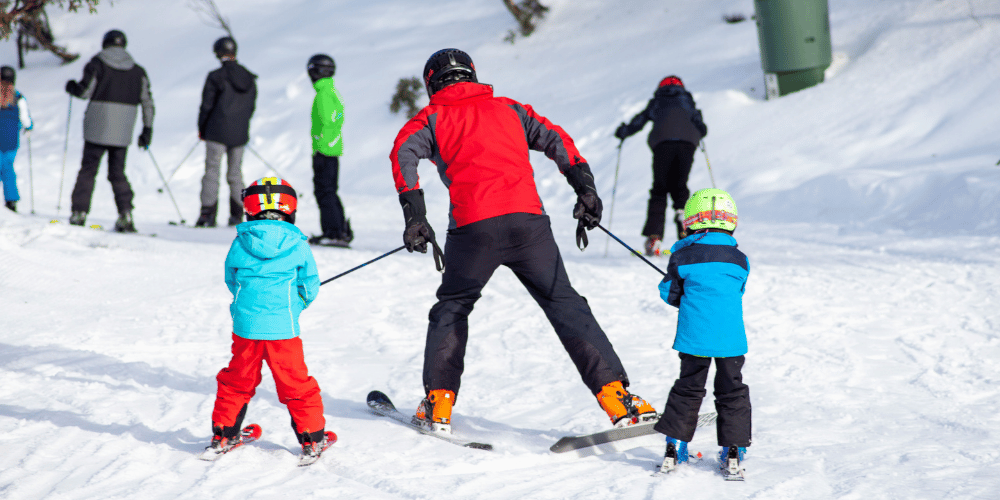
India's best-known ski slopes and alpine meadows, about 16 km above Joshimath. The Joshimath–Auli ropeway is currently suspended, so Auli is reached by road.
Hemkund Sahib and the Valley of Flowers
Reached from Govindghat, between Joshimath and Badrinath. The Valley of Flowers (a UNESCO World Heritage Site) blooms from July to September.
Best Time to Visit Badrinath in 2027
Our 2027 recommendation:
Most comfortable: mid-September to mid-October 2027.
May–June 2027: book by January–February 2027.
July–August: only with buffer days, ideally combined with Hemkund Sahib and the Valley of Flowers.
✅ SnazzyTrips Verdict: Which Month Should You Choose?
Badrinath Yatra Cost 2027
Short answer:
5-day Badrinath yatra from Haridwar: from about ₹12,000 per person.
Kedarnath–Badrinath Do Dham: ₹22,900.
Full Char Dham: from ₹31,900.
Special pujas, donations and personal expenses are extra.
What Affects the Cost
What's Usually Included
Hotel stays on a sharing basis
Breakfast and dinner at hotels
A vehicle for the whole road journey, with fuel, tolls, parking and driver allowance
Registration assistance
Sightseeing at Badrinath and Mana Village
A trip coordinator and support on the ground
What's Usually Not Included
Trains or flights to Haridwar, Dehradun or Delhi
Special puja and abhishek charges (booked through the temple committee)
Donations and offerings
Lunch and personal expenses
The Vasudhara Falls trek guide or porter (if needed)
Travel insurance and GST (unless stated)
💰 SnazzyTrips Insight: How to Save on a Badrinath Yatra
From planning yatras every season, these are the savings that don't compromise comfort or safety:
Travel in September–October instead of May–June, when hotel rates are usually lower.
Travel mid-week, avoiding weekends and long holidays.
Travel as a group of 6 or more in one vehicle to share costs.
Stay in Joshimath for one of the nights instead of Badrinath during peak dates.
Don't pay middlemen for "VIP darshan". Use official channels only.
Badrinath for Senior Citizens
Badrinath is the most senior-friendly of the four Himalayan Dhams, because it's reached entirely by road and the temple is a short walk from the parking area.
Our advice for seniors:
Get a medical check-up before the yatra, especially for heart, blood pressure, diabetes or breathing conditions.
Choose an itinerary with halts at Rudraprayag and Joshimath. Don't drive from Haridwar to Badrinath in one day.
Rest on arrival at Badrinath before darshan, because the altitude can cause breathlessness on the first day.
Wear warm layers for the early-morning darshan.
Carry all medicines and prescriptions.
Altitude: At about 3,300 m, some pilgrims feel mild headache or breathlessness. Drink plenty of water, walk slowly and avoid alcohol. Descend if symptoms get worse.
✅ SnazzyTrips Senior Pilgrim Checklist
Before booking:
Medical check-up done (heart, BP, sugar, breathing)
Doctor's prescription and a 2-week supply of regular medicines packed
Itinerary with at least two halt nights (Rudraprayag and Joshimath)
Ground-floor or lift-access hotel room requested
Heavy woollens, a warm cap, gloves and comfortable shoes packed
Registration done with the same photo ID they'll carry
Family member's phone numbers written on a card in their pocket
We share this checklist with every family travelling with senior citizens.
Where You Stay on the Badrinath Yatra
🏨 How SnazzyTrips Chooses Hotels on the Badrinath Route
We check these things before booking a hotel for our pilgrims:
the actual walking distance to the temple, Tapt Kund and the parking
hot water availability (essential for cold mornings)
room heating or extra blankets in season
parking for your vehicle
ground-floor or lift access for senior citizens
backup options in Joshimath for peak dates
What to Pack for Badrinath
Practical Information for Badrinath
Common Mistakes on the Badrinath Yatra
⚖️ Badrinath vs Kedarnath: Our Team's Honest Comparison
Responsible Pilgrimage at Badrinath
Carry a refillable bottle and avoid plastic.
Don't throw plastic or waste into the Alaknanda.
Respect the customs of Mana Village and its people.
Follow the instructions of temple staff, the police and the disaster-response teams.
Support local businesses, such as Mana's hand-knitted woollens.
Why Choose SnazzyTrips for Your Badrinath Yatra 2027
SnazzyTrips is a Haldwani-based Uttarakhand DMC since 2003, trusted by 20,000+ families, covering 50+ destinations with 150+ verified local partners and a 4.6/5 average rating across verified traveller reviews.
An Uttarakhand-only DMC: We plan and run your yatra ourselves with our own local network.
Realistic pacing: Halts at Rudraprayag and Joshimath, and no rushed one-day drives.
Registration handled: We register every pilgrim and share the latest 2027 process.
Verified stays: Hotels near the temple are confirmed before departure, with Joshimath backups for peak dates.
Honest puja guidance: We guide you to official temple committee channels, not middlemen.
Easy combinations: Add Kedarnath, Auli, Hemkund Sahib or the Valley of Flowers.
One coordinator: A single point of contact by phone and WhatsApp throughout the yatra.
Read more about us on our About Us page and see traveller feedback on our Reviews page.
For travel agents and groups: We provide B2B ground handling for Badrinath, Do Dham and Char Dham departures. See our Uttarakhand B2B tour packages or contact us.
Extend Your Badrinath Yatra
Kedarnath tour packages: The Jyotirlinga of Lord Shiva
Char Dham Yatra 2027: All four Dhams
Char Dham by helicopter: For seniors and short schedules
Auli: Meadows and snow above Joshimath
Valley of Flowers and Hemkund Sahib: July–September
Chopta and Tungnath: The highest Shiva temple
Haridwar and Rishikesh: Start or end with the Ganga Aarti
Garhwal tour packages and Uttarakhand pilgrimage tours
Badrinath Glossary: Terms You'll Hear on the Yatra
Frequently Asked Questions: Badrinath Yatra 2027
1. When will Badrinath open in 2027?
Badrinath is expected to open in May 2027. The exact date is announced on Basant Panchami, 11 February 2027, at the Tehri royal palace in Narendranagar.
2. When will Badrinath close in 2027?
Badrinath usually closes in mid-to-late November. The closing date is announced on Vijayadashami.
3. Why does Badrinath open later in 2027?
The opening follows the Hindu calendar. In 2027, Akshaya Tritiya falls on 8–9 May, compared with 19 April in 2026, so the season starts later.
4. What is the cost of a Badrinath tour package in 2027?
Badrinath packages start from about ₹12,000 per person for a 5-day yatra from Haridwar. The Kedarnath–Badrinath Do Dham costs ₹22,900, and the full Char Dham starts from ₹31,900.
5. How many days are needed for the Badrinath Yatra?
Plan 5 days from Haridwar and 6–7 days from Delhi. Add 1–2 days for Auli, or 3–4 days for Hemkund Sahib and the Valley of Flowers.
6. Is there a trek to reach Badrinath?
No. Badrinath is reached entirely by road. The temple is a short walk from the parking area.
7. How far is Badrinath from Haridwar?
Badrinath is about 320 km from Haridwar, usually covered over two days with a halt at Rudraprayag or Joshimath.
8. Is registration mandatory for Badrinath in 2027?
Yes. Registration with Uttarakhand Tourism is mandatory for every Char Dham pilgrim, including those visiting only Badrinath.
9. Is Badrinath suitable for senior citizens?
Yes. Badrinath is the most senior-friendly Himalayan Dham, because it's reached by road. A medical check-up and halts on the way are recommended.
10. What is Tapt Kund?
Tapt Kund is a natural hot spring just below the Badrinath temple, where pilgrims traditionally bathe before darshan.
11. What is Brahma Kapal?
Brahma Kapal is a ghat on the Alaknanda near the temple, where pilgrims perform pind daan and shraddh for their ancestors.
12. How far is Mana Village from Badrinath?
Mana Village is about 3 km from Badrinath, around 10 minutes by road.
13. Why is Mana called India's First Village?
Mana, near the Indo-Tibet border, was earlier called the last village of India. It's now officially called India's First Village.
14. What can I see in Mana Village?
Vyas Gufa, Ganesh Gufa, Bhim Pul, the Saraswati river, Keshav Prayag, and the popular "First Tea Shop of India".
15. How do I book a special puja at Badrinath?
Book special pujas and abhishek only through the official channels of the Shri Badrinath–Kedarnath Temple Committee, not through middlemen.
16. Can I do Kedarnath and Badrinath together?
Yes. The Kedar–Badri Do Dham takes about 8 days from Haridwar. Doing Kedarnath first is recommended.
17. Can I combine Badrinath with Auli?
Yes. Auli is about 16 km above Joshimath and fits easily into a Badrinath itinerary. Auli is currently reached by road, as the ropeway is suspended.
18. Can I visit Hemkund Sahib and the Valley of Flowers with Badrinath?
Yes. Both are reached from Govindghat on the Badrinath route. The Valley of Flowers blooms from July to September.
19. What is the best time to visit Badrinath in 2027?
Mid-September to mid-October 2027 is the most comfortable. May–June is crowded, and July–August brings monsoon risks.
20. Where is Lord Badrinath worshipped in winter?
In winter, the deity's representatives are worshipped at the Yogdhyan Badri Temple in Pandukeshwar, and Adi Shankaracharya's seat at the Narsingh Temple in Joshimath.
21. Who performs the puja at Badrinath?
By tradition, the chief priest (Rawal) of Badrinath comes from a Namboodiri Brahmin family of Kerala.
22. What is the Panch Badri?
The Panch Badri are five Vishnu temples: Badrinath (Vishal Badri), Yogdhyan Badri, Bhavishya Badri, Vridha Badri and Adi Badri.
23. Is mobile network available in Badrinath?
Yes, network is usually available in Badrinath town, with BSNL and Jio often the most reliable, though it can be weak on parts of the route.
24. What is the altitude of Badrinath?
Badrinath is at about 3,300 m, in the Garhwal Himalayas.
25. How early should I book the Badrinath Yatra for 2027?
For May–June 2027, book by January–February 2027. For September–October, book 6–8 weeks ahead.
26. How do I book a Badrinath package with SnazzyTrips?
Call or WhatsApp +91 7983429120, email care@snazzytrips.in, or use the booking form. Share your dates, group size and starting city, and we'll send a 2027 itinerary.
Sources and How We Verify This Guide
This guide combines our team's on-ground experience with information from official sources:
Opening and closing dates: Announced each year by tradition (Basant Panchami for the opening and Vijayadashami for the closing), and published by the Shri Badrinath–Kedarnath Temple Committee (BKTC).
Registration: The official Uttarakhand Tourism registration system for Char Dham pilgrims.
Special pujas and darshan: Managed by the BKTC through its official channels.
Road and weather conditions: Checked with the district administration's advisories and the India Meteorological Department during the season, and confirmed by our drivers on the route.
Distances and drive times: Based on our own trips; they can change with traffic and road works.
Our commitment: If anything on this page goes out of date, we update it as soon as we know. If you spot something that has changed, tell us at care@snazzytrips.in.
Plan Your Badrinath Yatra 2027 with an Uttarakhand Team
Badrinath is the most accessible of the Himalayan Dhams, and one of the most sacred. In 2027, with a shorter pre-monsoon season, early planning makes all the difference. Our Haldwani-based team plans comfortable halts, handles registration, confirms stays near the temple, and supports you from Haridwar to Badrinath and Mana Village.
📞 Call or WhatsApp: +91 7983429120 | ✉️ care@snazzytrips.in | 📍 Haldwani, Uttarakhand