
Haridwar Tour Packages
About the Destination
Haridwar Tour Packages: Ganga Aarti & Pilgrimage Guide
Haridwar is one of India's most sacred pilgrimage destinations, located on the banks of the River Ganga at an elevation of approximately 314 metres. It marks the point where the Ganga leaves the Himalayan foothills and enters the northern plains, earning the city immense religious importance in Hinduism. Recognised as one of the Sapta Puri (seven holiest cities), Haridwar attracts millions of pilgrims each year seeking spiritual blessings, holy dips in the Ganga, and participation in centuries-old religious traditions.
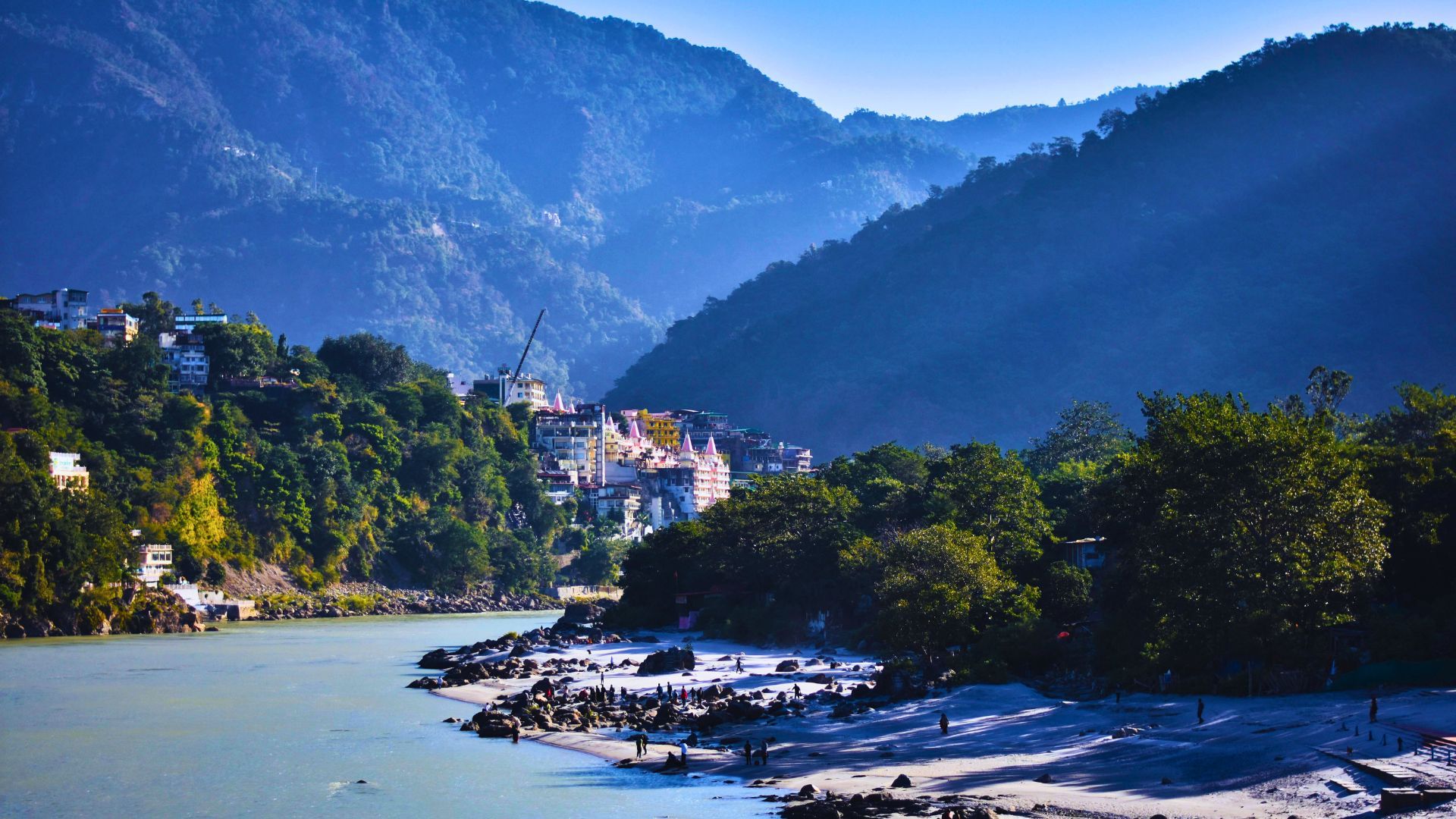
The city's most iconic experience is the evening Ganga Aarti at Har Ki Pauri, where thousands of devotees gather daily to witness priests offering lamps to the sacred river in a deeply spiritual ceremony. Haridwar is also the principal gateway to the Char Dham Yatra and hosts the world-famous Kumbh Mela every twelve years, one of the largest religious gatherings on Earth.
Unlike nearby Rishikesh, which is known for yoga retreats, river rafting, and adventure activities, Haridwar's identity revolves around temples, rituals, sacred ghats, and spiritual experiences. Whether you're beginning a pilgrimage, attending the Ganga Aarti, or exploring Uttarakhand's religious heritage, Haridwar remains one of the state's most meaningful destinations.
📍 Quick Fact: Haridwar is the traditional starting point for the Char Dham pilgrimage and one of the seven holiest cities in Hinduism. Its evening Ganga Aarti at Har Ki Pauri is among the most visited spiritual ceremonies in India.
✅ Key Takeaway: Haridwar is much more than a stop on the way to the Himalayas. It is one of India's foremost pilgrimage cities, best known for the Ganga Aarti, Har Ki Pauri, and its role as the spiritual gateway to the Char Dham Yatra.
Quick Snapshot
Planning a Haridwar tour becomes much easier when you understand what the city offers before you arrive. The table below highlights the essential travel information, helping pilgrims and first-time visitors quickly decide whether Haridwar fits their itinerary and how much time to allocate for the experience.
| Field | Details |
|---|---|
| What it is | One of Hinduism's seven holiest cities, located where the River Ganga enters the northern plains from the Himalayas. |
| Who it's for | Pilgrims, families, first-time visitors to Uttarakhand, and travellers beginning the Char Dham Yatra. |
| Ideal Duration | 1–2 days as a standalone trip; commonly combined with Rishikesh for a 2–3 day itinerary. |
| Best Time | October to March for pleasant weather, although pilgrimage continues throughout the year. |
| Geographic Focus | Har Ki Pauri, Mansa Devi Temple, Chandi Devi Temple, and nearby Rishikesh. |
| Starting Price | ₹6,000 onwards per person. |
| Key Differentiator | The only major Garhwal gateway city centred around the sacred Ganga Aarti tradition and the historic Kumbh Mela. |
📍 Who This Guide Is For: This guide is designed for pilgrims and first-time visitors who want to understand Haridwar's rituals, ideal timings, sightseeing priorities, and practical travel logistics before booking—not simply browse a generic list of temples.
✅ Quick Summary: Haridwar is best experienced over 1 to 2 days, offering a unique blend of sacred rituals, iconic temples, and the world-famous Ganga Aarti. It is also the traditional starting point for many Char Dham pilgrimages across Uttarakhand.
Understanding What Makes Haridwar Different from Rishikesh
Although Haridwar and Rishikesh are separated by less than an hour's drive, they offer completely different experiences. Haridwar is defined by its deep spiritual heritage, sacred rituals, the world-famous Ganga Aarti at Har Ki Pauri, the hilltop Mansa Devi and Chandi Devi temples, and its historic role as one of the four host cities of the Kumbh Mela. It is a destination where pilgrimage, faith, and centuries-old traditions remain at the heart of every visit.
By comparison, Rishikesh has developed a completely different identity. It is widely recognised for yoga ashrams, meditation retreats, river rafting, bungee jumping, cafés, and a younger adventure-oriented atmosphere. While both cities sit along the sacred Ganga and are commonly included in Garhwal Tour Packages, they serve very different purposes within the same journey.
Understanding this distinction helps you plan your itinerary more effectively. Travellers expecting adventure sports in Haridwar or a temple-focused pilgrimage experience in Rishikesh often leave disappointed. Instead of viewing them as interchangeable destinations, treat them as two complementary experiences that together showcase the cultural and natural diversity of Uttarakhand.
📍 Quick Fact: The name Haridwar translates to "Gateway to God", reflecting its importance as one of the four cities that host the sacred Kumbh Mela on a twelve-year rotational cycle.
✅ Key Takeaway: Choose Haridwar for sacred rituals, temples, and pilgrimage experiences, while Rishikesh is better suited for yoga, wellness, and adventure activities. Together, they create one of Uttarakhand's most rewarding travel combinations.
Top Places to Visit in Haridwar
Haridwar's attractions revolve around spirituality, ancient temples, and the sacred River Ganga. Most visitors plan their sightseeing around the evening Ganga Aarti, using the rest of the day to explore the city's hilltop temples, historic shrines, and nearby nature attractions before returning to Har Ki Pauri for the day's most memorable experience.
| Place | Known For | Approx. Distance from Har Ki Pauri |
|---|---|---|
| Har Ki Pauri | Evening Ganga Aarti and the spiritual heart of Haridwar. | City Centre |
| Mansa Devi Temple | Hilltop temple with ropeway access and panoramic views of Haridwar. | 3–4 km |
| Chandi Devi Temple | Sacred Shakti Peeth featuring ropeway access and hilltop surroundings. | 5–6 km |
| Maya Devi Temple | One of Haridwar's oldest temples and an important Shakti Peeth. | 1–2 km |
| Rajaji National Park | Wildlife sanctuary known for elephants, tigers, deer, and birdlife. | 8–10 km |
| Rishikesh | Yoga centres, river rafting, cafés, and riverside attractions. | 20–25 km |
Most pilgrims organise their day around the evening Ganga Aarti, reaching Har Ki Pauri at least an hour before sunset to secure a comfortable viewing spot along the ghats. The Mansa Devi and Chandi Devi temples are often visited together, as both can be reached by ropeway or via a moderate uphill walk. Travellers with an additional day frequently include Rajaji National Park before continuing their journey towards Rishikesh.
🕉️ Traveller Tip: Arrive at Har Ki Pauri well before sunset, especially on weekends, public holidays, and festival days. Early arrival gives you a better viewing position and allows enough time to experience the atmosphere before the Ganga Aarti begins.
✅ Key Takeaway: Make the Ganga Aarti at Har Ki Pauri the centrepiece of your itinerary and schedule temple visits and sightseeing around it. Reaching the ghats early ensures the best experience of Haridwar's most iconic spiritual tradition.
Haridwar by the Numbers
These key facts provide a quick overview of Haridwar's location, accessibility, and religious significance. Understanding the city's distances, elevation, and important pilgrimage timings helps travellers plan their itinerary more efficiently before exploring Uttarakhand.
| Information | Details |
|---|---|
| Altitude | Approximately 314 metres above sea level. |
| Distance from Rishikesh | Approximately 20–25 km (around 45–60 minutes by road). |
| Distance from Dehradun | Approximately 55 km (around 1.5 hours by road). |
| Distance from Delhi | Approximately 200–220 km, depending on the route. |
| Kumbh Mela Cycle | Held once every 12 years, making Haridwar one of the four sacred Kumbh Mela host cities. |
| Ganga Aarti Timing | Conducted daily around sunset, with the exact timing changing slightly throughout the year according to the season. |
📍 Quick Fact: Haridwar is one of only four cities in India that host the sacred Kumbh Mela, an event held every twelve years that attracts millions of pilgrims from across the world.
✅ Key Takeaway: Haridwar combines excellent road and rail connectivity with immense religious significance, making it one of the most accessible pilgrimage destinations in India and the traditional gateway to the Char Dham Yatra.
Getting to Haridwar
Haridwar is one of Uttarakhand's most accessible pilgrimage destinations, thanks to its excellent road, rail, and air connectivity. The city has its own major railway station with direct trains from Delhi and numerous cities across India, making train travel the preferred choice for many pilgrims. Those arriving by air can fly into Jolly Grant Airport, Dehradun, located approximately 35 km away, while road travellers generally use the well-connected Delhi–Haridwar highway.
| Mode of Travel | Details |
|---|---|
| By Air | Fly to Jolly Grant Airport (Dehradun), around 35 km from Haridwar, followed by a taxi or private transfer. |
| By Train | Haridwar Junction offers direct rail connectivity with Delhi and many major Indian cities, making it one of the easiest pilgrimage destinations to reach. |
| By Road | Approximately 200–220 km from Delhi via the Delhi–Haridwar highway, with a typical journey time of 4.5–5 hours depending on traffic. |
| Common Travel Route | Delhi → Haridwar by road, rail, or via Dehradun Airport, followed by onward travel to Rishikesh or deeper into the Garhwal Himalayas. |
🧭 Traveller Tip: If you plan to attend the evening Ganga Aarti, reach Har Ki Pauri at least 45 minutes to one hour before sunset. The ghats fill up quickly, and arriving early gives you a much better viewing position.
✅ Key Takeaway: With its own railway station, excellent highway access, and a nearby airport, Haridwar is one of the easiest gateway cities in Uttarakhand to reach, especially for pilgrims beginning their Char Dham or Garhwal journey.
Best Time to Visit Haridwar
Haridwar welcomes pilgrims throughout the year, but the overall experience varies significantly with the seasons. Weather conditions influence temple visits, ghat access, and sightseeing comfort, while major religious events such as the Kumbh Mela create a completely different travel environment. Choosing the right season helps you enjoy the city at a comfortable pace.
| Month | Weather | Suitability | Notes |
|---|---|---|---|
| March – April | Pleasant with mild daytime temperatures. | Excellent | Ideal for temple visits, walking along the ghats, and sightseeing. |
| May – June | Hot and humid. | Selective | Plan outdoor activities during early mornings or evenings. |
| Monsoon (July – August) | Heavy rainfall with occasional flooding. | Avoid for sightseeing | Higher Ganga water levels may restrict access to lower ghats. |
| September – October | Fresh post-monsoon weather. | Very Good | Comfortable temperatures and cleaner surroundings after the rains. |
| November – February | Cool days and crisp mornings. | Best | The most pleasant season for temple visits and the evening Ganga Aarti. |
| Kumbh Mela Years | Extremely crowded pilgrimage season. | Selective | Accommodation and transport require advance booking due to the massive influx of pilgrims. |
🌤️ Seasonal Tip: If you prefer a quieter pilgrimage experience, plan your visit outside major festival periods and long weekends. Arriving during the cooler months also makes temple visits and walking around the ghats much more comfortable.
✅ Key Takeaway: November to February offers the most comfortable overall conditions for visiting Haridwar, while Kumbh Mela years require significantly more planning because of the exceptionally large crowds and high demand for accommodation and transport.
A Simple One-Day Plan
Even if you have only one day in Haridwar, it's possible to experience the city's major spiritual attractions without rushing. Starting early allows you to avoid long queues at the hilltop temples, while keeping the evening free ensures you don't miss the city's most iconic experience—the Ganga Aarti at Har Ki Pauri.
| Time | Suggested Plan |
|---|---|
| Morning | Visit Mansa Devi Temple followed by Chandi Devi Temple. Starting early helps avoid long ropeway queues and afternoon crowds. |
| Afternoon | Enjoy a relaxed walk along the ghats, visit Maya Devi Temple, explore the local markets, and take a short break before the evening ceremony. |
| Evening | Reach Har Ki Pauri well before sunset to secure a good place for the spectacular Ganga Aarti. |
| Optional Day 2 | Continue to Rishikesh for yoga, river rafting, sightseeing, or a leisurely day by the Ganga. |
The morning is ideal for visiting Mansa Devi and Chandi Devi, as both temples become considerably busier later in the day and ropeway waiting times increase. The afternoon is best reserved for exploring the riverfront, visiting Maya Devi Temple, and relaxing before making your way to Har Ki Pauri. Arriving well ahead of sunset allows you to comfortably experience the atmosphere leading up to the evening Ganga Aarti.
🧭 Traveller Tip: Begin sightseeing as early as possible to complete the hilltop temples before midday. This avoids longer queues and leaves enough time to reach Har Ki Pauri before the evening crowds gather.
✅ Key Takeaway: Visit the hilltop temples during the morning and make the Ganga Aarti at Har Ki Pauri the fixed centrepiece of your itinerary. Planning the rest of the day around this ceremony ensures a smoother and more rewarding Haridwar experience.
Before You Book
A little planning can make your Haridwar visit far more comfortable, especially if you intend to attend the evening Ganga Aarti or continue towards the Garhwal Himalayas. The city is well developed with reliable transport, mobile connectivity, and essential facilities, but timing your sightseeing correctly helps avoid unnecessary delays and large crowds.
| Travel Factor | What You Should Know |
|---|---|
| Road Conditions | City roads are generally easy to navigate, although traffic becomes noticeably heavier around Har Ki Pauri before the evening Ganga Aarti. |
| Mobile Network | Reliable mobile coverage is available throughout Haridwar across major service providers. |
| ATMs & Fuel Stations | ATMs, fuel stations, pharmacies, and essential services are widely available, making Haridwar a convenient stop before travelling into the hills. |
| Weather & Clothing | Light clothing is suitable for most of the year, while a warm jacket is recommended during winter mornings and evenings. |
| Senior Citizens | Haridwar's mostly flat terrain makes sightseeing comfortable. For Mansa Devi and Chandi Devi, the ropeways are generally easier than the walking trails. |
| Families with Children | Take extra care near the ghats during the evening Ganga Aarti, as crowd density increases significantly around sunset. |
🧭 Traveller Tip: Schedule visits to Mansa Devi and Chandi Devi during the morning hours. You'll avoid the midday heat, shorter ropeway queues, and have plenty of time to reach Har Ki Pauri before the evening Aarti.
✅ Key Takeaway: Haridwar is an easy city to explore thanks to its reliable infrastructure and flat terrain, but planning temple visits in the morning and arriving early for the Ganga Aarti will make your pilgrimage significantly more comfortable.
Cost and Budget
Haridwar tour packages are available across a wide range of budgets, from economical pilgrim stays to premium riverside hotels overlooking the Ganga. The overall package cost depends on the hotel category, vehicle type, trip duration, and whether you combine Haridwar with nearby destinations such as Rishikesh.
| Package Type | Hotel Category | Vehicle | Approx. Price (Per Person) | Best For |
|---|---|---|---|---|
| Budget | Standard hotels near Har Ki Pauri | Shared Sedan | ₹6,000 onwards | Pilgrims and backpackers |
| Comfort | Good 3-star equivalent hotels | Private Sedan / SUV | ₹10,000 onwards | Families and couples |
| Premium | Riverside or ghat-view hotels | Private SUV | ₹14,500 onwards | Travellers seeking a comfortable pilgrimage experience |
| With Rishikesh Extension | Mixed hotel categories | Private Vehicle | ₹4,500–₹6,500 extra | Travellers combining both gateway cities |
Package prices generally increase during major religious festivals, long weekends, and especially during Kumbh Mela years, when accommodation and transport are in exceptionally high demand. Booking well in advance during these periods is strongly recommended to secure preferred hotels and competitive rates.
💰 Budget Tip: Travelling on weekdays and outside major festival dates usually offers better hotel availability, smoother sightseeing, and more economical package pricing.
✅ Key Takeaway: Haridwar offers pilgrimage packages for every budget, from affordable temple-focused stays to premium riverside experiences. If travelling during festivals or Kumbh Mela, book early, as prices and occupancy rise significantly.
What's Covered, and What Isn't
Most Haridwar tour packages include the essentials needed for a comfortable pilgrimage, but certain items vary depending on the itinerary and hotel category. Understanding exactly what is included before booking helps avoid unexpected expenses during your trip.
| Typically Included | Usually Not Included |
|---|---|
| ✔ Hotel accommodation | ✖ Train or flight fare to Haridwar or Dehradun |
| ✔ Daily breakfast and dinner | ✖ Lunch (unless specifically mentioned) |
| ✔ Private vehicle for transfers and sightseeing | ✖ Temple donations or personalised priest services |
| ✔ Ropeway tickets for Mansa Devi or Chandi Devi (where stated in the itinerary) | ✖ Personal shopping and other individual expenses |
| ✔ Toll taxes, parking charges, and driver allowance | ✖ GST unless your quotation is clearly marked as tax-inclusive |
🧭 Traveller Tip: Always confirm whether the Mansa Devi and Chandi Devi ropeway tickets are included in your package or need to be purchased separately. During peak pilgrimage periods, ticket queues can become quite long.
✅ Key Takeaway: Before confirming your booking, ask specifically about ropeway ticket inclusion. This is one of the most common items that differs between Haridwar tour packages and can affect both your budget and sightseeing schedule.
Haridwar vs Rishikesh as a Gateway City
Although Haridwar and Rishikesh are often combined into a single itinerary, they provide distinctly different travel experiences. Choosing the right destination depends on whether your priority is pilgrimage and temple rituals or yoga, wellness, and outdoor adventure. Understanding the difference helps you allocate enough time to enjoy both destinations without rushing.
| Destination | Best For | Identity | Ideal Duration |
|---|---|---|---|
| Haridwar | Ganga Aarti, temples, and pilgrimage rituals | Spiritual and ritual-focused | 1–2 days |
| Rishikesh | Yoga, river rafting, cafés, and adventure sports | Wellness and adventure-focused | 1–2 days |
📍 Choosing the Right Gateway: If your focus is spiritual experiences, temple visits, and witnessing the famous Ganga Aarti, dedicate your time to Haridwar. If you're looking for yoga retreats, adventure activities, and a more relaxed riverside atmosphere, extend your trip to include Rishikesh.
✅ Key Takeaway: Haridwar and Rishikesh complement each other rather than compete. Spend 1–2 days in Haridwar for pilgrimage and sacred rituals, then continue to Rishikesh for yoga, wellness, and adventure to experience the best of both gateway cities.
Common Mistake to Avoid
One of the most common planning mistakes is treating Haridwar as nothing more than a quick stopover. Many travellers try to squeeze the hilltop temples, local sightseeing, shopping, and the evening Ganga Aarti into a single rushed half-day. As a result, temple visits often take longer than expected, ropeway queues increase, and they reach Har Ki Pauri too late to find a good place for the Aarti.
Haridwar follows its own daily rhythm, with the Ganga Aarti at sunset serving as the city's defining experience. The best approach is to dedicate the morning to Mansa Devi and Chandi Devi, keep the afternoon relaxed, and reserve the evening entirely for Har Ki Pauri without trying to fit in additional sightseeing just before the ceremony begins.
⚠️ Common Mistake: Planning only a few hours in Haridwar and attempting to cover the hilltop temples, local markets, and the evening Ganga Aarti all in one rushed schedule. This often results in missing the best viewing spots at Har Ki Pauri.
💡 Better Approach: Plan a full day whenever possible. Visit the temples early in the morning, enjoy a relaxed afternoon around the ghats, and arrive at Har Ki Pauri well before sunset so the Ganga Aarti becomes the highlight of your visit rather than something you rush to catch.
✅ Key Takeaway: Don't treat Haridwar as a brief transit stop. Give the city a full day, complete the hilltop temples in the morning, and plan your entire evening around the Ganga Aarti for the most rewarding pilgrimage experience.
SnazzyTrips Insights
With over 21 years of experience operating tours across Garhwal, we've observed that many first-time visitors underestimate how early they need to reach Har Ki Pauri for the evening Ganga Aarti. During weekends, holidays, and peak pilgrimage seasons, even arriving 30 minutes before sunset often means the best viewing areas are already occupied.
Our on-ground teams have also found that the Mansa Devi and Chandi Devi ropeways experience their longest queues from late morning through the afternoon. Visiting both temples shortly after breakfast consistently saves valuable time and allows travellers to enjoy a more relaxed schedule for the remainder of the day.
Another detail that significantly improves the overall experience is hotel location. Properties described simply as being "near Har Ki Pauri" can vary considerably in actual walking distance, especially since roads around the ghats become pedestrian-only or heavily restricted during the evening Aarti. Before confirming any booking, our team verifies the practical walking distance from each hotel to Har Ki Pauri instead of relying solely on locality names.
💡 Local Insight: For the smoothest experience, complete the ropeway temples during the morning, check into a hotel within comfortable walking distance of Har Ki Pauri, and head to the ghats well before sunset to enjoy the atmosphere before the Ganga Aarti begins.
✅ Key Takeaway: Our experience shows that three simple decisions make the biggest difference in Haridwar—visit the hilltop temples early, stay within walking distance of Har Ki Pauri whenever possible, and arrive well before sunset for the best Ganga Aarti experience.
SnazzyTrips Recommendation
Based on our experience across Uttarakhand, Haridwar is an excellent choice for pilgrims seeking the spiritual atmosphere of the Ganga Aarti, families looking for a meaningful introduction to the state's religious heritage, and travellers beginning the Char Dham Yatra. Spending at least one full day here allows enough time to visit the major temples without rushing the evening ceremony at Har Ki Pauri.
| Traveller Type | Our Recommendation |
|---|---|
| Pilgrims | Spend a full day covering the temple circuit and experience the evening Ganga Aarti without rushing. |
| Families | Choose Haridwar for a peaceful spiritual introduction to Uttarakhand before exploring the hills. |
| Char Dham Travellers | Begin your pilgrimage from Haridwar to experience its religious significance before travelling deeper into Garhwal. |
| Adventure & Wellness Travellers | Consider a shorter stay in Haridwar and spend additional time in Rishikesh for yoga and adventure activities. |
🧭 Practical Tip: Reach Har Ki Pauri at least 45 minutes before sunset to secure a comfortable viewing spot for the Ganga Aarti. During weekends and pilgrimage seasons, the ghats become crowded well before the ceremony begins.
⚠️ Good to Know: Haridwar's main attractions revolve around its temples and the Ganga Aarti. Travellers looking for a wider mix of yoga, cafés, rafting, and outdoor activities should plan to include Rishikesh rather than spending multiple days in Haridwar alone.
✅ Why Travellers Choose SnazzyTrips: Our ground team verifies the actual walking distance between every recommended hotel and Har Ki Pauri before confirming your booking. Since vehicle access around the ghats changes during the evening Aarti, this practical detail helps ensure a smoother and more comfortable pilgrimage experience.
Why Choose SnazzyTrips for Your Haridwar Trip
Getting the timing of the Ganga Aarti and choosing a hotel that's genuinely close to Har Ki Pauri requires local knowledge that generic pilgrimage listings often can't provide. Our on-ground team verifies practical details before your trip, helping you spend less time navigating logistics and more time enjoying Haridwar's spiritual experience.
| Why SnazzyTrips | What It Means for You |
|---|---|
| 21+ Years of Experience | Extensive on-ground expertise across the Haridwar–Rishikesh–Dehradun corridor and the wider Garhwal region. |
| 150+ Verified Partners | Trusted network of hotels, transport providers, and local ground support. |
| Hotel Location Verification | We confirm the actual walking distance from your hotel to Har Ki Pauri before your booking is finalised. |
| 4.7★ Traveller Rating | Highly rated experiences built across our wider Garhwal destination network. |
🌄 Continue Your Uttarakhand Journey: As a leading Uttarakhand DMC, we can seamlessly extend your Haridwar trip with some of Uttarakhand's most popular destinations:
- Complete the sacred Char Dham Yatra after your Haridwar stay.
- Combine your pilgrimage with an Auli Tour Package for a Himalayan mountain getaway.
- Unwind in the peaceful hills with a Lansdowne Tour Package.
- Explore alpine meadows and trekking trails through a Chopta Tour Package.
- Experience one of India's most beautiful Himalayan treks with a Valley of Flowers Trek.
✅ Why Travellers Choose SnazzyTrips: Beyond arranging hotels and transport, we help you plan the practical details that matter most in Haridwar—from choosing accommodation within comfortable walking distance of Har Ki Pauri to building seamless itineraries across Uttarakhand's leading spiritual, hill-station, and Himalayan destinations.
Frequently Asked Questions
Planning a Haridwar tour often raises questions about trip duration, Ganga Aarti timings, transportation, and package pricing. Below are answers to some of the most common questions travellers ask before booking their pilgrimage.