Adi Kailash Yatra Package: The Complete 2026–27 Guide from a Kumaon-Based DMC
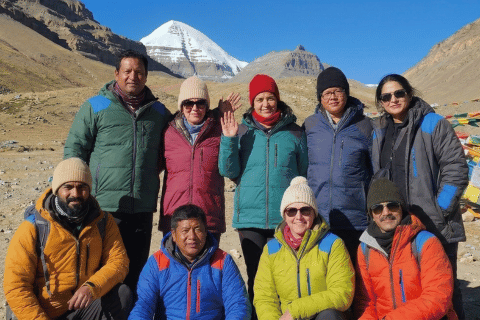
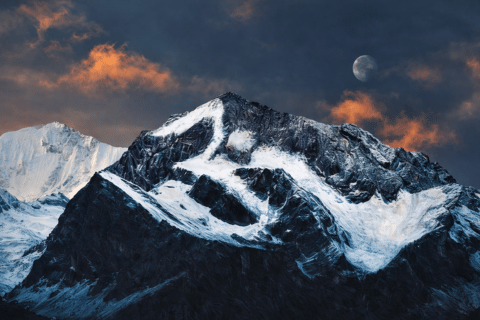
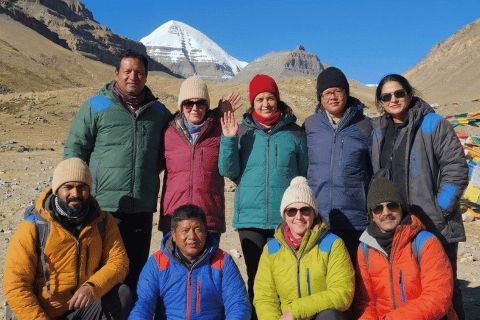
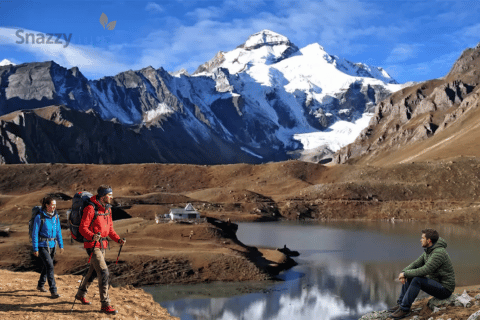
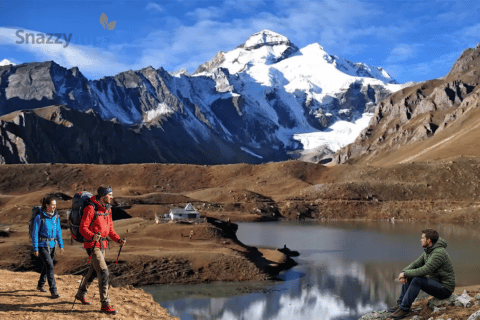
High in the Vyas Valley of Pithoragarh, close to where India, Nepal and Tibet meet, stands a mountain that devotees call Chhota Kailash, the "Little Kailash". Its shape closely resembles Mount Kailash in Tibet, and at its foot lies Parvati Sarovar, a glacial lake that reflects the peak on still mornings. A short distance away, on another mountain face, snow settles into the shape of the sacred syllable ॐ. This is Om Parvat, one of the most revered sights in the Himalayas.
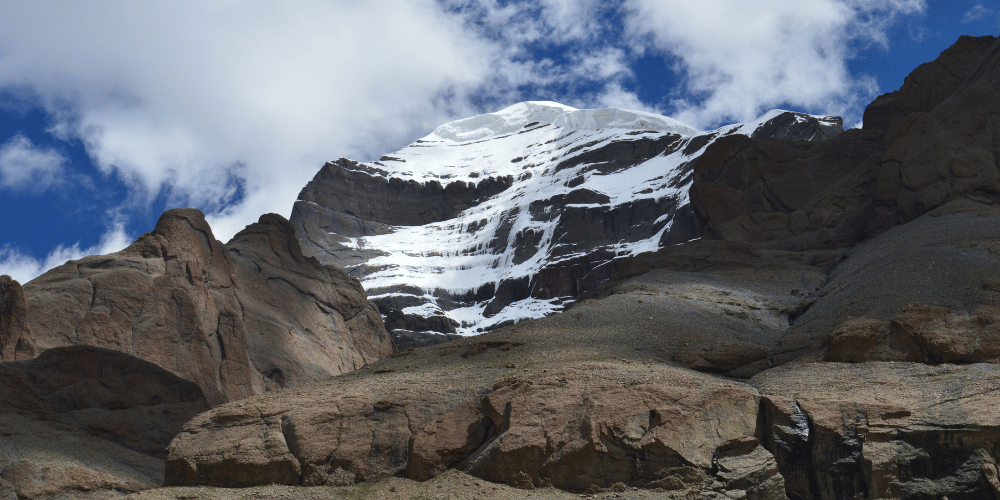
For most of history, reaching these places meant a long trek through one of the remotest corners of India. Today a mountain road runs from Dharchula to Gunji and on to Jolingkong, so pilgrims can reach Adi Kailash and Om Parvat by vehicle, with only short walks at high altitude. Getting there still isn't simple, though. The route enters a restricted border zone that needs an Inner Line Permit, it climbs from under 1,000 metres to about 4,600 metres in a few days, and it depends on roads that monsoon landslides can close for hours or days.
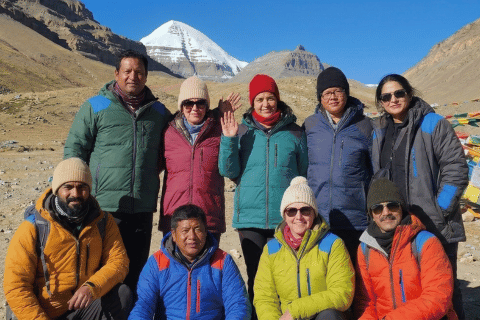
That's why the operator behind your yatra matters more here than almost anywhere else in Uttarakhand. SnazzyTrips is a Destination Management Company (DMC) headquartered in Haldwani, the Kumaon gateway to this route, and we've worked only in Uttarakhand since 2003. Our team handles your permit at SDM Dharchula, builds acclimatisation into every itinerary, and makes real-time decisions on the ground when weather or roads change.
This guide covers everything you need to plan the yatra properly: package prices, the permit process, a day-by-day itinerary with altitudes, the best months, fitness requirements, altitude sickness, where you stay, what to pack, and how Adi Kailash compares with Kailash Mansarovar.
Quick Answer:
Packages: Adi Kailash Yatra packages take 6 to 10 days and start from ₹33,500 per person from Pithoragarh. They cost about ₹55,000 from Delhi and ₹56,500–₹59,500 from Mumbai, Ahmedabad, Pune, Kolkata, Hyderabad and Chennai. The premium Adi Kailash + Om Parvat + Narayan Ashram yatra costs ₹70,000.
Permit: An Inner Line Permit from the SDM office in Dharchula is mandatory, and the yatra is open only to Indian citizens aged 18 and above.
Best months: May–June and mid-September to October. The high route is closed by snow from November to April.
Adi Kailash Yatra at a Glance
| Detail |
Information |
| Region |
Vyas Valley, Pithoragarh District, Kumaon, Uttarakhand |
| Also Known As |
Chhota Kailash, Jonglingkong Kailash |
| Adi Kailash Peak |
About 5,945 m (viewed, not climbed) |
| Om Parvat Peak |
About 6,191 m (viewed from Nabidhang) |
| Main Darshan Point |
Jolingkong and Parvati Sarovar (about 4,600 m) |
| Om Parvat Viewpoint |
Nabidhang (about 4,200 m), reached by road from Gunji |
| Base Town |
Dharchula (about 915 m) |
| Acclimatisation Village |
Gunji (about 3,200 m) |
| Permit |
Inner Line Permit (ILP), issued by SDM Dharchula |
| Who Can Go |
Indian citizens aged 18 and above |
| Walking Involved |
Short walks of 1–3 km at high altitude; no technical trekking |
| Difficulty |
Moderate; altitude is the main challenge |
| Duration |
6–10 days, depending on your starting city |
| Best Season |
May–June and mid-September to October |
| Closed |
November to April (snow) |
| Nearest Railhead |
Kathgodam |
| Nearest Airport |
Pantnagar |
| Starting Price |
₹33,500 per person (from Pithoragarh) |
Adi Kailash Yatra 2026: Current Status
Last updated: October 2026 by the SnazzyTrips Dharchula operations team
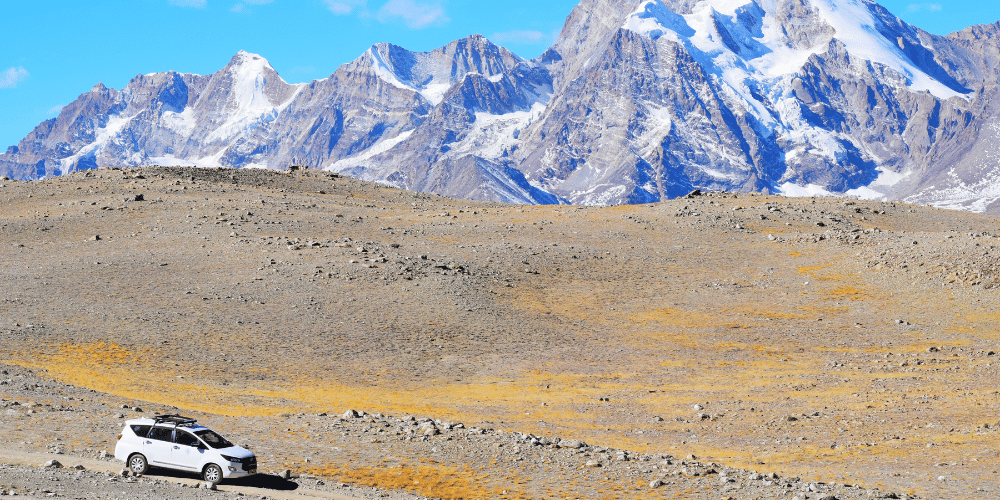
Current status: The post-monsoon season is open, and ILP processing at SDM Dharchula is active.
The 2026 season so far: The Adi Kailash and Om Parvat Yatra opened in May 2026. After the pre-monsoon season, travel was paused during the monsoon because of landslide risk on the Dharchula–Gunji road. Post-monsoon travel resumed from mid-September.
Planning for 2027: The route usually reopens in May once snow clears from the higher sections. Demand for May–June departures is rising every year, so start your medical certificate and police verification in March or April, and book 6–8 weeks ahead.
Why demand is rising: Adi Kailash has become one of Uttarakhand's fastest-growing pilgrimages. More than 35,000 devotees visited in the 2025 season, helped by better road connectivity and national attention after the Prime Minister's visit to Parvati Kund in October 2023.
Update this box every month during the season.
What Is Adi Kailash? Spiritual Significance
Chhota Kailash: Shiva's Abode in India
Adi Kailash is revered as an earthly home of Lord Shiva and Goddess Parvati. Its shape, a broad snow-covered peak rising above a high valley, closely resembles Mount Kailash in Tibet, which is why devotees call it Chhota Kailash. For pilgrims who can't make the long and difficult journey to Tibet, Adi Kailash offers darshan of Shiva's abode entirely within India.
One of the Panch Kailash
Hindu tradition recognises five sacred Kailash peaks, the Panch Kailash:
| Peak |
Location |
| Mount Kailash |
Tibet (China) |
| Adi Kailash |
Pithoragarh, Uttarakhand |
| Kinnaur Kailash |
Kinnaur, Himachal Pradesh |
| Manimahesh Kailash |
Chamba, Himachal Pradesh |
| Shrikhand Kailash |
Kullu, Himachal Pradesh |
Many devotees try to visit all five over their lifetime. Adi Kailash is often the first, because it's the most accessible by road.
Parvati Sarovar and Gauri Kund
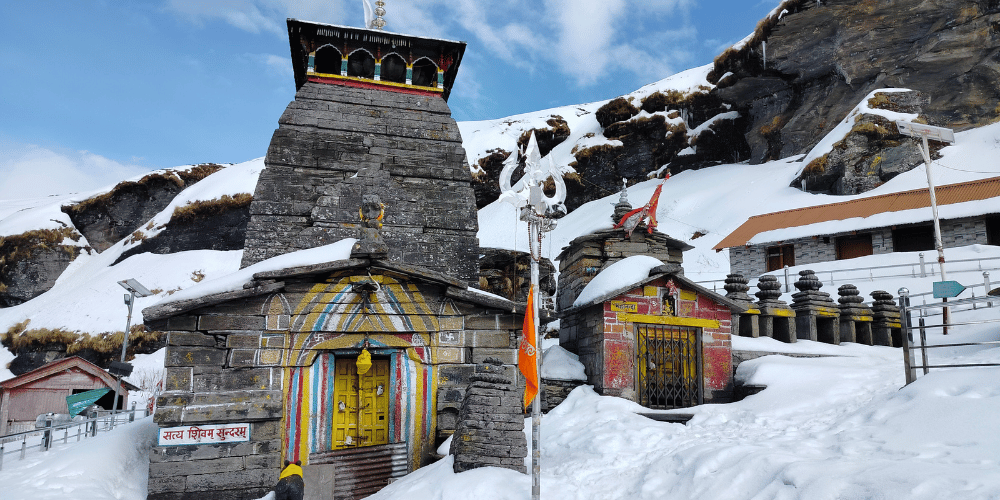
At the foot of Adi Kailash lies Parvati Sarovar (also called Parvati Kund), a sacred lake associated with Goddess Parvati. Pilgrims perform puja on its banks at the small Shiva–Parvati temple, with the peak reflected in the water on calm mornings. Nearby is Gauri Kund, another sacred lake, reached by a short high-altitude walk for those who are fit enough.
The Mahabharata Connection
Local tradition links the Vyas Valley with the Mahabharata:
The valley is named after Maharishi Ved Vyas, who is believed to have meditated here.
Kuti village is linked in legend with Kunti, mother of the Pandavas.
The Pandavas are said to have passed through on their final journey towards the Himalayas.
Om Parvat
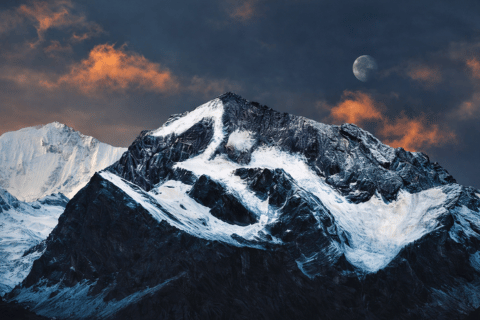
On the road towards the Lipulekh Pass stands Om Parvat. On its face, snow settles in rock grooves to form the sacred syllable ॐ. For devotees, seeing it is a deeply auspicious moment, and for many it's the emotional high point of the yatra.
Adi Kailash and Om Parvat: What's the Difference?
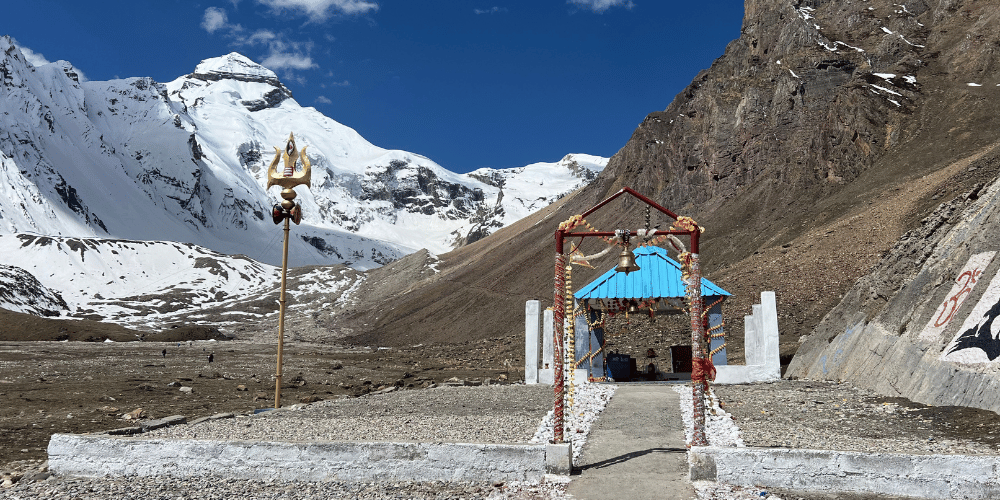
Many first-time pilgrims think Adi Kailash and Om Parvat are the same mountain. They are two different peaks, seen from two different places, and a standard yatra covers both.
| Detail |
Om Parvat |
Adi Kailash |
| Also Called |
Chhota Kailash |
— |
| Approx. Height |
5,945 m |
6,191 m |
| Seen From |
Jolingkong, beside Parvati Sarovar |
Nabidhang viewpoint |
| Viewpoint Altitude |
About 4,600 m |
About 4,200 m |
| Route from Gunji |
About 36 km via Kuti village |
About 18 km via Kalapani |
| What You See |
A Kailash-shaped peak above a sacred lake |
Snow forming the ॐ symbol on the rock face |
| Rituals |
Puja at Parvati Sarovar and the Shiva–Parvati temple |
Darshan and prayers at the viewpoint temple |
Adi Kailash vs Kailash Mansarovar
| Factor |
Adi Kailash Yatra |
Kailash Mansarovar Yatra |
| Location |
Pithoragarh, Uttarakhand (India) |
Tibet (China) |
| Passport and Visa |
Not needed |
Passport and Chinese visa required |
| Selection |
Anyone eligible with a valid ILP |
Government selection through a computerised draw |
| Duration |
6–10 days |
Around 22 days via the Lipulekh route |
| Permit |
Inner Line Permit |
Ministry of External Affairs selection plus Chinese permits |
| Parikrama |
Darshan from Jolingkong; no peak parikrama |
Full parikrama of Mount Kailash |
| Physical Difficulty |
Moderate |
High |
| Cost |
Much lower |
Much higher |
| Om Parvat Darshan |
Yes |
On the Lipulekh route |
Key takeaway: For pilgrims who can't get selected for Kailash Mansarovar, or who want a shorter and more accessible journey, Adi Kailash offers darshan of Shiva's abode without leaving India. Many devotees do Adi Kailash first and Kailash Mansarovar later.
Where Is Adi Kailash? The Vyas Valley and Its People
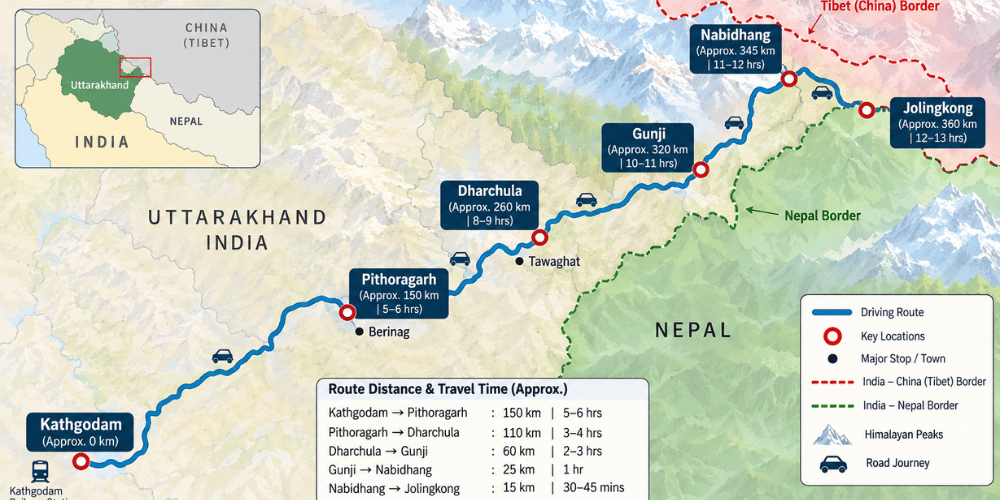
Adi Kailash lies in the Vyas Valley in the far north-east of Pithoragarh district, in Uttarakhand's Kumaon region. The valley follows the Kali river, which forms the border between India and Nepal, up towards the Lipulekh Pass into Tibet.
The road from Dharchula climbs along the Kali river through some of the most dramatic scenery in the Indian Himalayas:
deep gorges and cliff roads carved into rock
waterfalls dropping from the canyon walls
above Budhi, the wide meadows of Chiyalekh, which bloom with flowers in summer
The Rung people: The villages of the Vyas Valley (Gunji, Garbyang, Nabi, Kuti and others) are home to the Rung community, with their own language, customs and traditional wooden houses carved in distinctive patterns. Many families still follow a seasonal life: they live in the high villages from late spring to autumn and move down to lower towns like Dharchula in winter, when snow covers the valley. Staying in a Rung homestay in Gunji or Nabi is, for many pilgrims, one of the most memorable parts of the yatra.
A border zone: Because the valley borders both Nepal and Tibet, it's a restricted area. Your Inner Line Permit is checked at several checkposts along the way, and security forces are stationed in the valley. Please follow all instructions at checkposts and don't photograph military installations.
Adi Kailash Yatra Packages by Departure City
| Starting City / Package |
Duration |
Starting Price (per person) |
| Pithoragarh |
6 Days / 5 Nights |
₹33,500 |
| Delhi |
9 Days / 8 Nights |
₹55,000 |
| Bangalore |
11 Days / 10 Nights |
₹54,999 |
| Ahmedabad |
10 Days / 9 Nights |
₹56,500 |
| Pune |
10 Days / 9 Nights |
₹57,000 |
| Kolkata |
10 Days / 9 Nights |
₹57,500 |
| Mumbai |
10 Days / 9 Nights |
₹58,500 |
| Hyderabad |
10 Days / 9 Nights |
₹59,000 |
| Chennai |
10 Days / 9 Nights |
₹59,500 |
| Adi Kailash + Om Parvat + Narayan Ashram |
9 Days / 8 Nights |
₹70,000 |
Prices are per person and depend on group size, vehicle, hotel category and season. Packages from major cities usually exclude flights or trains to Delhi, Kathgodam or Pantnagar.
Which Adi Kailash Package Is Right for You?
| Traveller Type |
Recommended Package |
Why |
| Travellers already in Kumaon, or arriving at Pithoragarh |
Pithoragarh, 6 days, ₹33,500 |
The shortest and most economical option |
| Delhi-NCR travellers |
Delhi, 9 days, ₹55,000 |
Complete door-to-door coordination from Delhi |
| Travellers from Mumbai, Pune, Ahmedabad, Kolkata, Hyderabad, Chennai or Bangalore |
City packages, 10–11 days |
Built around your flight or train to Delhi or Kathgodam |
| Spiritual seekers wanting a deeper circuit |
Adi Kailash + Om Parvat + Narayan Ashram, ₹70,000 |
Adds the peaceful Narayan Ashram |
| Senior citizens |
Any package, with an extra rest day |
Slower pacing and medical checks before travel |
| Groups of 6 or more |
Any package, as a private group |
Group pricing and a dedicated vehicle |
What's Included in an Adi Kailash Yatra Package
| Usually Included |
Usually Not Included |
| Inner Line Permit processing and follow-up at SDM Dharchula |
Flights or trains to Delhi, Kathgodam or Pantnagar |
| Accommodation in hotels (Pithoragarh, Dharchula) and homestays or rest houses (Gunji) |
Medical certificate and police verification charges in your home city |
| Breakfast and dinner on most days |
Lunch on some days, snacks and bottled water |
| A mountain-suited vehicle (SUV or Tempo Traveller) for the whole route |
Pony or porter charges, if needed |
| An experienced driver and local coordinator for the high-altitude sector |
Travel insurance |
| Om Parvat darshan at Nabidhang, and Adi Kailash and Parvati Sarovar darshan at Jolingkong |
Emergency evacuation and medical costs |
| Real-time support by phone and WhatsApp |
Personal expenses, donations and offerings |
Always ask for the inclusions in writing, especially permit handling, the acclimatisation night at Gunji, and what happens if roads close.
Adi Kailash Yatra Cost: What Affects the Price
The price of an Adi Kailash package depends on five main things:
Starting city: Pithoragarh packages are cheapest. Delhi and other-city packages include extra driving days to and from the mountains.
Group size: Vehicle costs are shared, so per-person prices fall as the group grows.
Vehicle type: A private SUV for 4–6 people costs more per person than a Tempo Traveller for a larger group.
Accommodation: Hotels in Dharchula and Pithoragarh range from basic to comfortable. In Gunji and Kuti, homestays and rest houses are simple whichever package you choose.
Extensions: Narayan Ashram, Jageshwar Dham, Patal Bhuvaneshwar or Munsiyari add days and cost.
Approximate extra costs to budget for:
Medical certificate and police verification in your home city
Small ILP-related charges (the current fee is confirmed when you book)
Meals not included, snacks and water: about ₹500–₹800 per day
Donations at temples, and tips for drivers and homestay hosts
💰 Budget Tip: Groups of 6 or more travelling together in one vehicle usually get the best per-person price. Ask about private group departures.
Adi Kailash Inner Line Permit (ILP) 2026–27: Complete Process
Every traveller to Adi Kailash and Om Parvat needs an Inner Line Permit, because the route enters a restricted border zone near the India–Nepal–Tibet tri-junction. Without the ILP, you can't cross the checkposts beyond Dharchula.
Who issues it: The Sub-Divisional Magistrate (SDM) Office, Dharchula, Pithoragarh district.
Who can apply: Indian citizens aged 18 and above. Foreign nationals aren't permitted in this restricted area.
Documents Required
| Document |
Details |
| Government Photo ID |
Aadhaar card (preferred), Voter ID or Passport |
| Passport-Size Photographs |
4–6 recent colour photos |
| Medical Fitness Certificate |
From a government hospital or registered doctor, in the prescribed format, confirming fitness for high-altitude travel |
| OPD Fee Slip |
Receipt from the hospital where the medical examination was done |
| Police Verification Certificate |
From your local police station; should be recent |
| Self-Declaration Affidavit |
On stamp paper, in the prescribed format |
| Address Proof |
Needed if your ID doesn't show your current address |
How the Process Works
At home: Get your medical certificate and police verification done in your home city 3–5 weeks before travel.
Online: Pre-register on the Pithoragarh pass portal (pass.pithoragarh.online), where available.
In Dharchula: Final verification and permit issue happen at the SDM office.
On the route: Carry your original ILP and ID at all times. They are checked at multiple checkposts.
How SnazzyTrips Handles Your Permit
Send us your documents 15–20 days before travel.
Before your doctor's visit, we share the exact medical certificate format the SDM office currently accepts.
Our Dharchula team submits your file, follows up with the SDM office and collects your permit, so you don't lose a day in government office queues.
If any document is missing or in the wrong format, we tell you before you travel, not at the checkpost.
Important Permit Tips
The SDM office is closed on Sundays and public holidays, so plan arrival dates accordingly.
During the monsoon, fresh ILP issuance may be paused.
The medical certificate is the most common reason for delays. Use only the prescribed format.
Carry 2–3 photocopies of every document, plus extra passport photos.
Adi Kailash Route: Altitude and Distance
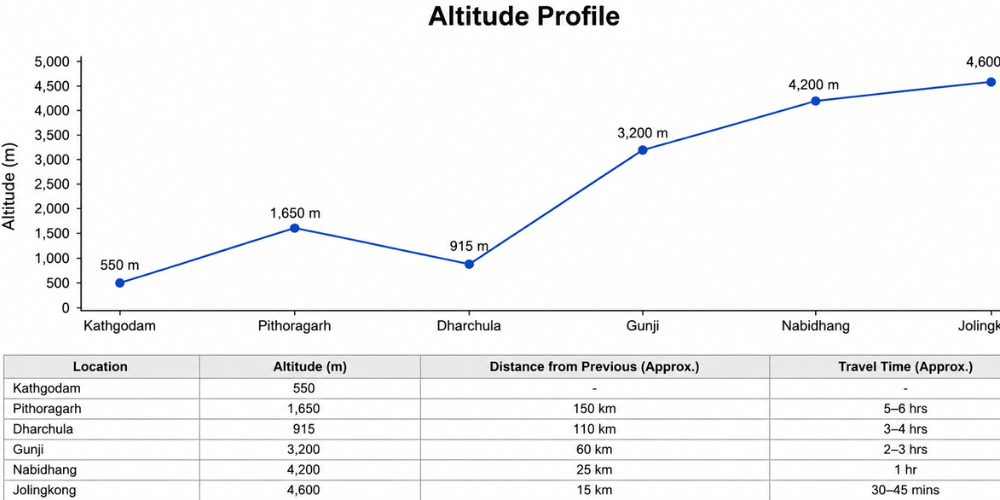
| Place |
Approx. Altitude |
Distance from Previous Stop |
Approx. Drive Time |
| Kathgodam |
550 m |
— |
— |
| Pithoragarh |
1,650 m |
About 200 km |
7–8 hours |
| Dharchula |
915 m |
About 90 km |
3–4 hours |
| Gunji |
3,200 m |
About 70–75 km |
5–6 hours |
| Nabidhang (Om Parvat) |
About 4,200 m |
About 18 km from Gunji |
1–1.5 hours |
| Kuti Village |
About 3,800 m |
On the way to Jolingkong |
— |
| Jolingkong (Adi Kailash) |
About 4,600 m |
About 36 km from Gunji |
2–2.5 hours |
📍 Why this matters: On the drive from Dharchula to Gunji, you climb from about 900 m to about 3,200 m in a single day. That jump is why an acclimatisation night at Gunji is non-negotiable. Itineraries that skip it are the main reason pilgrims get altitude sickness.
Adi Kailash Itinerary: 8 Days from Kathgodam
Day 1: Kathgodam → Pithoragarh
Distance: About 200 km | Drive: 7–8 hours | Altitude: About 1,650 m
Our driver meets you at Kathgodam Railway Station. The road climbs through Bhimtal and Almora, with views across the Kumaon hills, then continues via Dhaulchina and Sheraghat to Pithoragarh. On the way, our team checks your final documents for the ILP. Overnight in Pithoragarh.
Day 2: Pithoragarh → Dharchula
Distance: About 90 km | Drive: 3–4 hours | Altitude: About 915 m
A shorter drive brings you down to the Kali river at Jauljibi and on to Dharchula, the last town before the border zone. The SDM office completes your permit verification. In the evening, walk to the suspension bridge that connects Dharchula with Darchula in Nepal. Overnight in Dharchula.
Day 3: Dharchula → Gunji
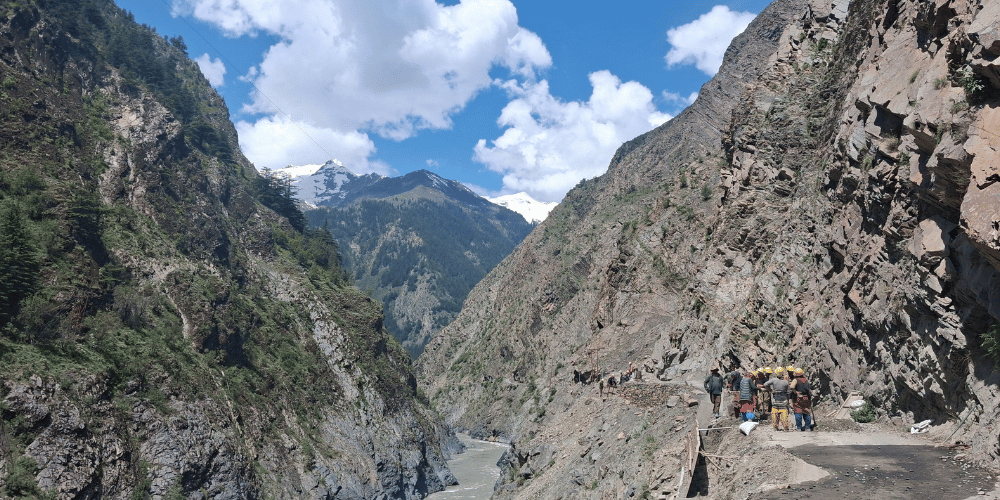
Distance: About 70–75 km | Drive: 5–6 hours | Altitude: About 3,200 m
This is the most dramatic drive of the yatra. Highlights along the way:
Tawaghat, with an optional stop at Narayan Ashram
cliff roads carved into the Kali river gorge
the first ILP checkposts
Budhi village, and the wide flower meadows of Chiyalekh
Garbyang, an old trading village
You reach Gunji by afternoon. Rest, drink plenty of water and avoid exertion. Overnight in a Gunji homestay or rest house.
Day 4: Acclimatisation Day: Om Parvat Darshan at Nabidhang
Distance: About 18 km each way | Altitude at the viewpoint: About 4,200 m
After breakfast, drive past Kalapani, with its Kali temple near the source of the Kali river, to Nabidhang for darshan of Om Parvat. On a clear morning, the ॐ symbol on the mountain face is unmistakable. Visit the small temple at the viewpoint, then return to Gunji. This "climb high, sleep low" pattern helps your body adjust before the higher visit to Jolingkong. Overnight in Gunji.
Day 5: Adi Kailash and Parvati Sarovar at Jolingkong
Distance: About 36 km each way | Altitude: About 4,600 m
Leave early for Jolingkong via Kuti village, one of the last villages before Tibet. At Jolingkong, stand before Adi Kailash, take darshan at Parvati Sarovar and perform puja at the Shiva–Parvati temple. Fit travellers can walk towards Gauri Kund with the guide's approval. Return to Gunji by evening. Overnight in Gunji.
Day 6: Gunji → Dharchula
Distance: About 70–75 km | Drive: 5–6 hours
Descend through the Kali valley to Dharchula. If you didn't stop at Narayan Ashram on Day 3, you can visit it today. Overnight in Dharchula.
Day 7: Dharchula → Jageshwar or Pithoragarh
Distance: About 190 km to Jageshwar | Drive: 7–8 hours
Drive back through Pithoragarh. If time allows, attend the evening aarti at the ancient Jageshwar Dham temple complex. Overnight in Jageshwar or Pithoragarh.
Day 8: Return to Kathgodam
Distance: About 115 km from Jageshwar | Drive: About 4 hours
Drive to Kathgodam Railway Station for your onward journey. Please book evening trains or flights.
⚠️ Keep 1–2 buffer days: Landslides on the Dharchula–Gunji road can hold vehicles for hours. Your safety always comes before the schedule, and our team adjusts the route in real time when conditions change.
Shorter and Longer Versions
6 days from Pithoragarh: Starts and ends in Pithoragarh, skipping the Kathgodam–Pithoragarh drive days.
9 days from Delhi: Adds the Delhi–Kathgodam journey at the start and end.
10–11 days from other cities: Built around your flight or train to Delhi, plus extra buffer for the longer journey home.
With Narayan Ashram: Adds a dedicated visit and overnight near Narayan Ashram.
Places You'll Visit on the Adi Kailash Yatra
Pithoragarh
Pithoragarh is the "Little Kashmir" of Kumaon, a district headquarters town in a wide valley and the usual first overnight halt.
Dharchula
Dharchula is the last major town before the border zone, on the banks of the Kali river, facing Darchula in Nepal. It's your permit stop, and the last reliable place for ATMs and supplies.
Narayan Ashram
A peaceful spiritual retreat above Tawaghat, on the Dharchula side of the route, at about 2,700 m. It was founded in 1936 by Narayan Swami and is surrounded by forest and Himalayan views. It's included in the premium package and can be added to any itinerary.
Budhi and Chiyalekh
Budhi is a traditional Rung village on the route. Above it, the Chiyalekh meadows open into one of the most beautiful stretches of the journey: wide grassy slopes that bloom with wildflowers in early summer.
Garbyang
A historic trading village once known for trade with Tibet, with old wooden houses. Parts of the village have been affected by land subsidence over the years.
Gunji
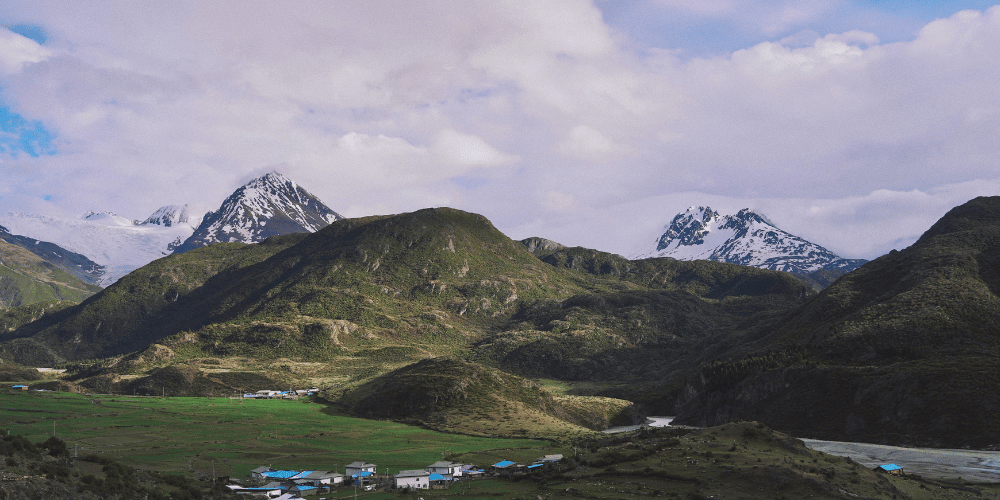
Gunji is the main high village of the Vyas Valley at about 3,200 m. It's the acclimatisation base for the yatra and the meeting point of the roads to Om Parvat and Adi Kailash. Most pilgrims spend three nights here.
Kalapani
Kalapani has a Kali temple near the source of the Kali river. It lies on the road from Gunji towards Nabidhang and the Lipulekh Pass.
Nabidhang: Om Parvat Viewpoint
The viewpoint for Om Parvat, at about 4,200 m, reached by road from Gunji. Mornings usually give the clearest views.
Vyas Gufa
A cave associated with Maharishi Ved Vyas, traditionally linked with the composition of the Mahabharata. It's one of several sacred sites in the valley that bears his name. Ask your coordinator whether a visit is possible on your dates.
Kuti Village
Kuti is one of the last villages before Tibet, at about 3,800 m. In local legend it's linked with Kunti of the Mahabharata, and it's known for its traditional Rung houses.
Jolingkong, Parvati Sarovar and Gauri Kund
The heart of the yatra. Here you get darshan of Adi Kailash, puja at Parvati Sarovar and the Shiva–Parvati temple, and an optional walk towards Gauri Kund.
Jageshwar Dham (return extension)
On the way back, many pilgrims visit Jageshwar Dham, a complex of more than 124 ancient stone Shiva temples in a deodar forest near Almora. It makes a fitting end to a Shiva pilgrimage.
Best Time to Visit Adi Kailash: Month by Month
| Month |
Conditions |
Suitability |
Notes |
| May |
Route reopens; cold mornings; snow on peaks |
★★★★★ Excellent |
The ॐ on Om Parvat is usually clearest; book early |
| June |
Pleasant days, cold nights |
★★★★★ Excellent |
Peak season; permits and homestays fill quickly |
| July |
Monsoon |
★★☆☆☆ Risky |
Landslides; ILP issuance may be paused |
| August |
Heavy monsoon |
★☆☆☆☆ Not advised |
Frequent road closures |
| Mid-September |
Post-monsoon; roads reopen |
★★★★☆ Very good |
Green valleys; check road status before booking |
| October |
Clear, cold and dry |
★★★★★ Excellent |
Sharpest mountain views; very cold nights |
| November–April |
Snow |
✖ Closed |
High sectors closed; Gunji villagers move to lower towns |
Our recommendation: Choose late May to June for the best chance of seeing the ॐ clearly on Om Parvat, or October for crisp, clear skies. Avoid July and August.
Will I See the "Om" on Om Parvat?
The ॐ on Om Parvat is formed by snow settling in grooves on the rock face, so how clearly you see it depends on snowfall. It's usually clearest in May–June, and after fresh snowfall in autumn. In low-snow periods it can appear faint, as was widely reported in August 2024. Clouds can also cover the peak, especially in the afternoon. Visiting in the morning and choosing May–June or October gives you the best chance.
Fitness and Medical Eligibility
Am I fit for the Adi Kailash Yatra?
Adi Kailash isn't a trek, but it is a high-altitude journey. You'll spend three nights at about 3,200 m and visit points up to about 4,600 m. How your body responds to thin air matters more than your strength.
Who can go
Healthy adults aged 18 and above
Senior citizens, usually up to about 70, with a clear medical certificate
Travellers who can walk 1–2 km on uneven ground at a slow pace
Please consult your doctor, and tell us, if you have
Heart disease or a history of heart attack
Uncontrolled blood pressure
Asthma, COPD or other breathing problems
Diabetes that isn't well controlled
Recent surgery
Pregnancy
Prepare 3–4 weeks before the yatra
Walk briskly for 30–45 minutes daily
Practise breathing exercises (pranayama) daily
Stop smoking at least 2 weeks before travel
Get your medical certificate early, since it's also needed for the ILP
Altitude Sickness (AMS) on the Adi Kailash Yatra
Acute Mountain Sickness can affect anyone above about 2,500 m, whatever their age or fitness. Most cases are mild if recognised early.
Early symptoms: Headache, nausea or loss of appetite, dizziness, unusual tiredness and poor sleep.
Warning signs (tell your coordinator immediately): Breathlessness while resting, confusion, loss of balance, a severe headache that doesn't ease, or a persistent cough.
How to reduce the risk:
Never skip the acclimatisation night at Gunji
Drink 3–4 litres of water a day
Avoid alcohol and smoking
Eat light, warm meals
Walk slowly at Nabidhang and Jolingkong
Talk to your doctor before the yatra about whether altitude medication is right for you
What we do: Our team monitors how every traveller is feeling throughout the high-altitude sector. If anyone shows serious symptoms, the first treatment is descent, and we arrange it without delay. Medical help is available at Gunji and Dharchula.
Where You Stay on the Adi Kailash Yatra
| Location |
Type of Stay |
What to Expect |
| Pithoragarh |
Hotels |
Attached bathrooms, hot water, regular facilities |
| Dharchula |
Hotels |
Attached bathrooms, hot water; simple but comfortable |
| Gunji, Nabi and Kuti |
Rung homestays and KMVN rest houses |
Clean but basic; shared bathrooms are common; hot water by bucket; limited electricity |
| Jageshwar (return) |
Hotels and guesthouses |
Comfortable stays near the temple complex |
📍 Honest advice: Homestays in the Vyas Valley are simple, but the warmth of your hosts, the home-cooked food and the chance to experience Rung culture are, for many pilgrims, as memorable as the darshan itself. Carry a power bank, because electricity can be irregular.
Food, Network, Cash and Electricity
| Need |
What to Expect |
| Food |
Simple vegetarian meals (rice, dal, roti, sabzi) at homestays; hot tea everywhere. Carry dry fruits and snacks. |
| Drinking water |
Bottled water is limited beyond Dharchula. Carry a refillable bottle and purification tablets. |
| Mobile network |
Good in Pithoragarh and Dharchula; very limited beyond. Some networks work in Gunji at times. Inform your family before leaving Dharchula. |
| ATMs |
Dharchula has the last reliable ATMs. Carry enough cash for the rest of the yatra. |
| Electricity |
Irregular in the high villages. Carry a power bank and charge whenever you can. |
What to Pack for the Adi Kailash Yatra
| Item |
Why You Need It |
| Down jacket, thermals and woollen layers |
Temperatures at Jolingkong can drop near or below freezing, even in May–June and October |
| Warm cap, gloves and woollen socks |
Mornings at Nabidhang and Jolingkong are very cold |
| Rain jacket or poncho |
Mountain weather changes quickly |
| Sturdy walking shoes with good grip |
For short walks on uneven, sometimes icy ground |
| Sunglasses, sunscreen and lip balm |
Strong sunlight at high altitude |
| Personal medicines and a basic first-aid kit |
Medical facilities are limited beyond Dharchula |
| Original ILP, photo ID and photocopies |
Checked at multiple checkposts |
| Cash in small notes |
No ATMs beyond Dharchula |
| Power bank, torch and spare batteries |
Electricity is irregular in the high villages |
| Refillable water bottle |
Staying hydrated is your best defence against AMS |
| Puja items (if you wish) |
For prayers at Parvati Sarovar and Om Parvat |
How to Reach the Adi Kailash Starting Point
By train: Kathgodam is the main railhead. From Delhi, the Kathgodam Shatabdi (daytime, about 6 hours) and the Ranikhet Express (overnight) run to Kathgodam. Check current timings on IRCTC.
By air: Pantnagar Airport, about 30–35 km from Kathgodam, has flights from Delhi. Travellers from other cities usually fly to Delhi, then take a connecting flight or train.
By road: Kathgodam is about 300 km from Delhi via Moradabad (about 7–8 hours). From Kathgodam, Pithoragarh is about 200 km and Dharchula about 290 km.
Helicopter: Helicopter services between Pithoragarh and Gunji have operated in some seasons. Availability, schedules and fares change, so ask us for the current status when you book.
With SnazzyTrips: We pick you up from Kathgodam Railway Station, Pantnagar Airport or Delhi, depending on your package.
Road Conditions and Safety on the Route
The Dharchula–Gunji road: Built through steep gorges along the Kali river, with cliff sections, waterfalls and occasional rockfall. The road is far better than it was a decade ago, but landslides can still close it, especially in the monsoon.
Driving hours: We drive only in daylight on the high-altitude sector.
Experienced mountain drivers: Our drivers know this specific route, its checkposts and its weather patterns.
Buffer days: Keep 1–2 days of flexibility in your overall travel plan, especially in late September and early October, after the monsoon.
Weather monitoring: Our team checks road and weather conditions daily with local contacts in Dharchula and Gunji.
Common Mistakes When Booking an Adi Kailash Yatra
| Common Mistake |
Better Approach |
| Booking an itinerary with no acclimatisation night at Gunji |
Confirm at least two nights at Gunji, with Om Parvat as the acclimatisation day |
| Assuming the ILP can be arranged on arrival in Dharchula |
Prepare your medical certificate and police verification 3–5 weeks ahead |
| Using the wrong medical certificate format |
Ask your operator for the format the SDM office currently accepts |
| Planning tight return flights or trains |
Keep 1–2 buffer days for road closures |
| Hiding health conditions |
Tell your doctor and operator honestly; altitude affects everyone differently |
| Packing for a normal hill station |
Pack for near-freezing temperatures, even in summer |
| Choosing only on price |
Compare acclimatisation, permit handling and on-ground support, not just the headline price |
| Travelling in July–August |
Choose May–June or mid-September to October |
Responsible Travel in the Vyas Valley
The Vyas Valley is home to small Rung communities and a fragile high-altitude environment. Please:
respect local customs, homes and temples, and ask before photographing people
carry your waste back to Dharchula, as there's no waste management at high altitude
avoid single-use plastic and carry a refillable bottle
follow all instructions at army and ITBP checkposts, and don't photograph security installations
support local homestays and buy local woollens and handicrafts where you can
Why Choose SnazzyTrips for Your Adi Kailash Yatra
SnazzyTrips is a Haldwani-based Uttarakhand DMC since 2003, trusted by 20,000+ families, covering 50+ destinations with 150+ verified local partners and a 4.6/5 average rating across verified traveller reviews.
Kumaon-based, not remote: Our headquarters in Haldwani is about 20 km from Kathgodam, the starting point of the route. Our team and partners work the Kathgodam–Pithoragarh–Dharchula–Gunji corridor directly. We don't hand you to an unknown subcontractor.
Permit handling done properly: We share the correct medical certificate format, check your documents before you travel, and follow up with the SDM office in Dharchula.
Acclimatisation in every itinerary: Every package includes nights at Gunji and an Om Parvat acclimatisation day before the higher visit to Jolingkong.
Real-time decisions on the ground: When a landslide closes the road or the weather turns, our local team reroutes or reschedules the same day.
One dedicated coordinator: One person handles your trip by phone, WhatsApp and email, before, during and after the yatra.
Transparent pricing: Clear inclusions and exclusions in writing, with no surprise add-ons.
Read more about us on our About Us page, meet the team on Our Team, and read traveller experiences on our Reviews page.
Combine Your Adi Kailash Yatra with Other Kumaon Journeys
The route passes through the heart of Kumaon, so many pilgrims extend their trip:
Jageshwar Dham: 124+ ancient Shiva temples, on the return route
Kainchi Dham: Neem Karoli Baba's ashram near Nainital, close to Kathgodam
Mahavatar Babaji Cave: The Kriya Yoga cave near Dwarahat
Munsiyari: Panchachuli views, about 4 hours from Dharchula via Jauljibi
Nainital: A relaxing lakeside end to the yatra
Char Dham Yatra: For pilgrims planning a wider Himalayan journey
Kumaon tour packages and Uttarakhand tour packages for complete regional itineraries
Uttarakhand pilgrimage tours for all our spiritual journeys
Frequently Asked Questions: Adi Kailash Yatra Package
1. What is the cost of an Adi Kailash Yatra package?
Adi Kailash packages start from ₹33,500 per person for the 6-day yatra from Pithoragarh. Packages from Delhi cost about ₹55,000 (9 days), and from Mumbai, Ahmedabad, Pune, Kolkata, Hyderabad and Chennai ₹56,500–₹59,500 (10 days). The premium Adi Kailash + Om Parvat + Narayan Ashram yatra costs ₹70,000.
2. How many days are needed for the Adi Kailash Yatra?
Plan 6 days from Pithoragarh, 8 days from Kathgodam, 9 days from Delhi, and 10–11 days from other major cities, plus 1–2 buffer days in case of road closures.
3. Is an Inner Line Permit required for Adi Kailash?
Yes. An Inner Line Permit issued by the SDM office in Dharchula is mandatory, because the route enters a restricted border zone near the India–Nepal–Tibet tri-junction.
4. What documents are needed for the Adi Kailash ILP?
You need a government photo ID, passport-size photos, a medical fitness certificate in the prescribed format with the OPD fee slip, a police verification certificate, a self-declaration affidavit, and address proof if your ID doesn't show your current address.
5. Can I apply for the Adi Kailash ILP online?
You can pre-register on the Pithoragarh pass portal where available, but final verification and permit issue happen at the SDM office in Dharchula. SnazzyTrips handles the process once you send your documents.
6. Can foreigners visit Adi Kailash?
No. Foreign nationals aren't permitted in this restricted border area. The yatra is open only to Indian citizens.
7. What is the minimum age for the Adi Kailash Yatra?
The minimum age is 18 years. Travellers above 60 need a clear medical certificate, and travellers above 70 are assessed case by case.
8. What is the difference between Adi Kailash and Om Parvat?
They are two different peaks. Adi Kailash (Chhota Kailash, about 5,945 m) is seen from Jolingkong beside Parvati Sarovar. Om Parvat (about 6,191 m) is seen from Nabidhang, where snow forms the ॐ symbol on its face. A standard yatra covers both.
9. What is the difference between Adi Kailash and Kailash Mansarovar?
Kailash Mansarovar is in Tibet and needs a passport, a Chinese visa and government selection, with a journey of around 22 days. Adi Kailash is in Uttarakhand, needs only an Inner Line Permit, and takes 6–10 days.
10. Is Adi Kailash one of the Panch Kailash?
Yes. Adi Kailash is one of the Panch Kailash, along with Mount Kailash in Tibet, Kinnaur Kailash, Manimahesh Kailash and Shrikhand Kailash.
11. Do I need to trek on the Adi Kailash Yatra?
No. Most of the journey is by road. You walk only short distances at Nabidhang and Jolingkong, but at high altitude, so walk slowly.
12. How do I reach Om Parvat?
The Om Parvat viewpoint at Nabidhang is reached by road from Gunji, about 18 km, passing Kalapani on the way.
13. Will I definitely see the Om on Om Parvat?
Not always. The ॐ is formed by snow, so it's clearest in May–June and after fresh autumn snowfall, and it can look faint in low-snow periods. Clouds can also hide the peak, so mornings are best.
14. What is the best time for the Adi Kailash Yatra?
May–June and mid-September to October are the best times. July and August bring monsoon landslides, and the route is closed by snow from November to April.
15. Is the Adi Kailash Yatra open in the monsoon?
The route often closes, or ILP issuance is paused, during the monsoon (roughly July to mid-September) because of landslides on the Dharchula–Gunji road.
16. Is Adi Kailash suitable for senior citizens?
Yes, many healthy senior citizens complete the yatra, as it involves only short walks. Travellers above 60 need a clear medical certificate, and those with heart, blood pressure or breathing conditions should consult their doctor first.
17. What is the altitude of Adi Kailash?
The Adi Kailash peak is about 5,945 m. Pilgrims take darshan from Jolingkong, at about 4,600 m. The acclimatisation village, Gunji, is at about 3,200 m.
18. How can I avoid altitude sickness on the Adi Kailash Yatra?
Don't skip the acclimatisation nights at Gunji, drink 3–4 litres of water a day, avoid alcohol and smoking, walk slowly, and tell your coordinator immediately about headaches or breathlessness.
19. Where do we stay during the Adi Kailash Yatra?
You stay in hotels in Pithoragarh and Dharchula, and in Rung homestays or KMVN rest houses in Gunji. High-altitude stays are clean but basic, with shared bathrooms and limited electricity.
20. Is there mobile network on the Adi Kailash route?
Network is available in Dharchula. Beyond it, coverage is very limited, though some networks work in Gunji at times. Inform your family before leaving Dharchula.
21. Are there ATMs beyond Dharchula?
No. Dharchula has the last reliable ATMs, so carry enough cash for the rest of the yatra.
22. What is Narayan Ashram and is it included?
Narayan Ashram is a peaceful spiritual retreat above Tawaghat, on the Dharchula side of the route, founded in 1936 by Narayan Swami. It's included in the premium Adi Kailash + Om Parvat + Narayan Ashram package and can be added to other itineraries.
23. Is there a helicopter service for Adi Kailash?
Helicopter services between Pithoragarh and Gunji have operated in some seasons, but availability and fares change. Ask SnazzyTrips for the current status when you book.
24. Does SnazzyTrips offer group discounts for the Adi Kailash Yatra?
Yes. Groups of six or more travellers get group pricing and a dedicated vehicle, and travel agents can request B2B rates.
25. How do I book an Adi Kailash Yatra package with SnazzyTrips?
Call or WhatsApp +91 7983429120, email care@snazzytrips.in, or use the booking form. Share your dates, group size, starting city and health details, and our team will send you a personalised itinerary and the ILP document checklist.
Plan Your Adi Kailash Yatra with a Kumaon-Based Team
Adi Kailash is one of the most meaningful journeys in the Indian Himalayas. It's also one where permits, altitude and mountain roads need careful local planning. Our Haldwani-based team handles your permit, builds in proper acclimatisation, and supports you on the ground from Kathgodam to Jolingkong and back.
📞 Call or WhatsApp: +91 7983429120 | ✉️ care@snazzytrips.in | 📍 Haldwani, Uttarakhand
Book a Free Consultation | Contact Us