
Rishikesh Summer Tour Package
Rishikesh Summer Tour Package
Is Rishikesh good to visit in summer?
Yes, with some scheduling adjustments. Summer days in Rishikesh get warm, particularly through the afternoon, but mornings and evenings stay pleasant, and the season is actually one of the more favorable times for river rafting, since glacier-fed water keeps the Ganga's flow strong and consistent. The main planning shift for a summer trip isn't whether to go — it's when during the day you do what, front-loading outdoor activity into the cooler hours rather than trying to sightsee through the midday heat.
Prices are approximate and may vary depending on hotel category, transportation, season, availability, group size and traveller preferences.
What Summer in Rishikesh Actually Feels Like
A lot of generic travel content treats "summer" as a season to avoid, which doesn't really hold up for Rishikesh specifically. Daytime temperatures do climb, especially between late morning and mid-afternoon, but the town's riverside setting keeps evenings noticeably cooler than a plains city at the same time of year, and the Ganga itself moderates the immediate area near the ghats. SnazzyTrips, a Leading Uttarakhand DMC with 21+ years of on-ground expertise, 150+ local travel partners, and a 4.7★ traveller rating, builds this package around working with that pattern rather than pretending it isn't there.
The real question for a summer trip isn't "should I go" — it's "how do I structure the day so the heat doesn't get in the way of what I actually came for."
How Summer Changes the Day, Not the Trip
✓ Outdoor sightseeing (bridge walks, ghat visits) works best in the morning or evening, not midday
✓ Rafting conditions are generally strong through summer, driven by glacier melt rather than rainfall
✓ Hotel choice matters more for cooling and shade than for view or proximity alone
✓ Hydration and sun protection become genuine planning considerations, not just a passing mention
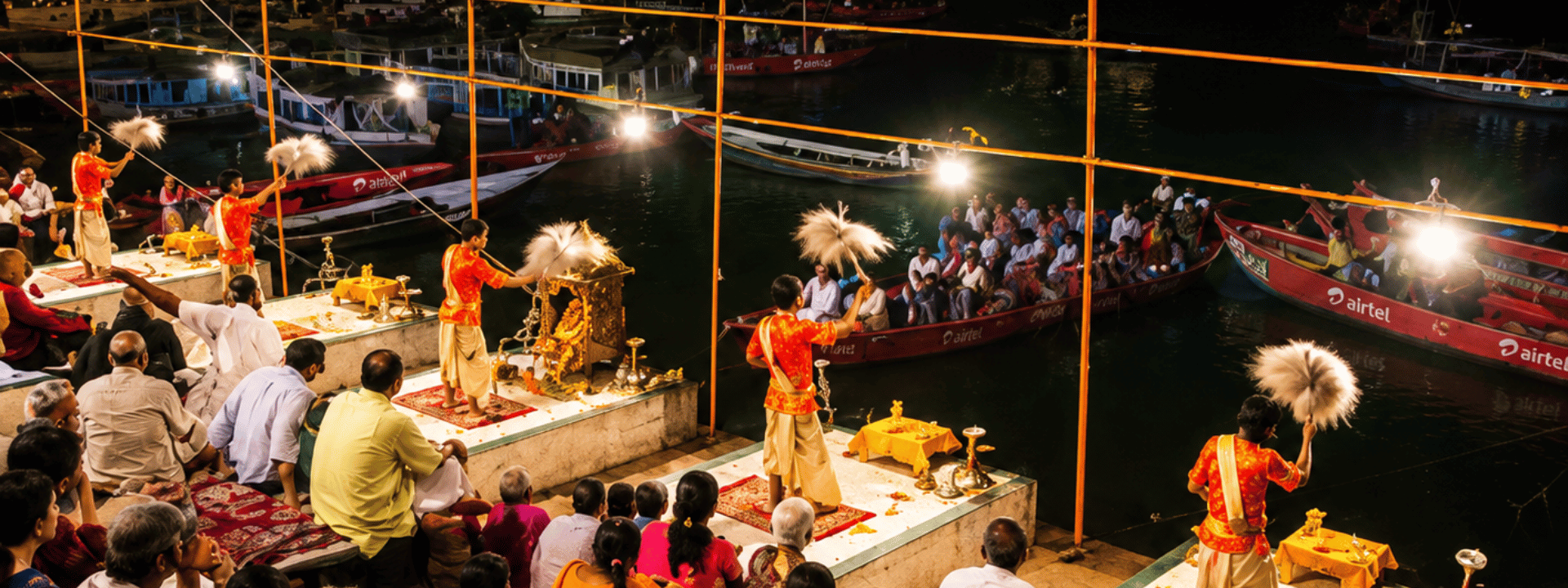
✓ Evening plans (the Ganga Aarti, riverside cafes) become the natural anchor of each day rather than an add-on
Rafting in Summer, Specifically
Summer is one of the more reliable seasons for rafting in Rishikesh, since the river's flow is driven by Himalayan snowmelt rather than monsoon rainfall, which tends to make conditions more predictable through this window compared to the monsoon months. That said, always confirm current river conditions and operator availability close to your travel dates rather than assuming summer guarantees ideal conditions every day — flow can still vary, and operators make the final call based on actual conditions. Morning rafting slots are generally more comfortable in summer than afternoon ones, both for temperature and for avoiding the most crowded window at popular put-in points.
Our Recommendation for a Summer Trip
Structure your days around two comfortable windows — early morning and evening — and treat the midday stretch, roughly noon to 3 or 4 PM, as downtime rather than sightseeing time. This isn't wasted time; it's a natural break for lunch, resting at your hotel, or simply retreating to somewhere shaded, and it makes the rest of your day noticeably more enjoyable. If rafting is part of your plan, book the earliest reasonable slot rather than a midday or afternoon one — both for comfort and because morning river conditions tend to be calmer before the day heats up.
Summer Trip at a Glance
| DetailInformation | |
|---|---|
| Destination | Rishikesh |
| Main Gateway | Haridwar / Dehradun |
| Nearest Airport | Dehradun (Jolly Grant Airport) |
| Nearest Railway Station | Haridwar Junction (Rishikesh Railway Station has limited connectivity) |
| Recommended Duration | 3 Days 2 Nights to 4 Days 3 Nights |
| Main Experiences | Morning rafting, evening ghat walks, Ganga Aarti |
| Accommodation | Standard hotel with good ventilation/cooling, ideally with some shade or greenery |
| Ideal For | Travellers comfortable adjusting their schedule around heat, rafting-focused visitors |
| Best Time Within Summer | Early mornings and evenings; avoid midday outdoor sightseeing |
What's Included
✓ Hotel accommodation in Rishikesh for your chosen duration
✓ Private or shared transfers as per package selection
✓ Sightseeing scheduled around cooler parts of the day (early morning/evening)
✓ Guidance on summer rafting slot timing and river condition checks
What's Not Included
✓ Personal expenses and tips
✓ Entry tickets to any paid attraction unless specifically mentioned
✓ Rafting charges, generally billed separately by stretch
✓ Meals not specified in the inclusions
✓ Any add-on not explicitly listed under What's Included
Getting There in Summer
Dehradun's Jolly Grant Airport, around 35–40 km from Rishikesh, and Haridwar Junction, roughly 25 km away, remain the two main arrival points regardless of season. One summer-specific note: if you're travelling by road from a plains city like Delhi, the drive itself can be considerably hotter than your time in Rishikesh, since the town's riverside elevation and setting offer some relief that the plains route doesn't. Travelling in the early morning or late afternoon, rather than through the midday stretch, makes the road journey noticeably more comfortable.
Rishikesh's Summer Character
Rishikesh's position where the Ganga leaves the Himalayan foothills gives it a milder summer than most plains cities at a similar latitude, though "milder" still means genuinely warm afternoons. The riverside areas — the ghats, the bridges, Tapovan's shaded lanes — hold up better through the heat than the more open parts of town, which is worth factoring into where you spend your midday hours if you're out and about. For other ways to plan a Rishikesh trip across different durations and themes, you can discover more Rishikesh travel packages in our collection.
Building Your Day Around the Heat
✓ Early morning (6–9 AM): The most comfortable window for rafting, a bridge walk, or simply sitting by the ghats before the day warms up.
✓ Late morning to mid-afternoon (9 AM–4 PM): Generally the hours to avoid extended outdoor time — plan for lunch, hotel downtime, or a shaded café visit instead.
✓ Evening (4 PM onward): The Ganga Aarti, a second bridge walk, and riverside dinner all work well as the temperature eases and the light softens.
✓ Neelkanth Mahadev Temple (if included): Best attempted as an early-morning outing given the hill drive and walk involved — starting late in a summer morning makes the visit considerably more uncomfortable than it needs to be.
Managing Heat for Children, Seniors, and Sensitive Travellers
If you're travelling with children or older family members, or if you're personally sensitive to heat, it's worth being a bit more conservative than the general schedule above — shortening outdoor stretches further, carrying water at all times, and building in more frequent shaded breaks. Sunscreen, hats, and light-colored breathable clothing all make a genuine difference here, and it's worth packing these before arrival rather than assuming they'll be easy to source locally. If anyone in your group shows signs of heat exhaustion (dizziness, excessive fatigue, nausea), treat it seriously and get them to shade and water immediately rather than pushing through the itinerary.
Where to Stay for a Summer Trip
Beyond the usual considerations of location and category, summer travel makes ventilation and cooling genuinely relevant hotel-selection criteria — confirm air conditioning or reliable cooling directly rather than assuming every property in your budget range has it consistently working. Properties with some greenery, shade, or a riverside breeze tend to feel noticeably more comfortable through the afternoon than those in more exposed, built-up parts of town. Tapovan and the areas closer to the river generally have an edge here over more central, concrete-heavy stretches.
Choosing How Long to Stay
Three days works well for a summer trip focused on rafting and the core ghat experience, since it doesn't require managing the heat across too many extended days. Four days gives room to add Neelkanth Mahadev Temple as well, provided you're comfortable with an early start for the hill visit. We'd be cautious about recommending a longer, more activity-packed summer trip without solid heat-management planning, since fatigue from repeated exposure to the hotter hours adds up faster than travellers often expect.
What a Summer Trip Typically Costs
Costs here follow the same pattern as other Rishikesh packages — hotel category, transfer type, and any activities like rafting are the main drivers rather than the season itself changing pricing structure significantly. One practical note: properties with reliable cooling or a more comfortable summer setup may sit at a slightly higher price point within the same category, and for a summer trip specifically, that's often a reasonable trade-off. Prices are approximate and may vary depending on hotel category, transportation, season, availability, group size and traveller preferences.
A Heat-Smart 3-Day Flow
Arrive by early afternoon on Day 1, use the hottest hours to settle into your hotel, and head out again in the evening for the Ganga Aarti and a bridge walk once things cool down. On Day 2, get to your rafting slot as early as the operator allows, then treat the rest of the day as downtime before an evening at the ghats. Keep Day 3's morning light and shaded — a café visit or a short walk — before checking out and, if travelling by road, aiming to be on your way before the midday heat sets in on the drive back.
Notes From Our Local Team
✓ Book the earliest reasonable rafting slot you can — both comfort and typical river conditions favor it in summer.
✓ Treat midday (roughly noon to 4 PM) as downtime by design, not as time lost from your itinerary.
✓ Confirm your hotel's cooling situation directly rather than assuming it from the listing alone.
✓ Start any hill excursion, like Neelkanth Mahadev Temple, early in the morning to avoid the heat during the drive and walk up.
✓ Carry water at all times when out and about — it's easy to underestimate how much you're losing to heat near midday.
✓ If travelling by road from a hotter plains city, plan your departure and arrival times around avoiding the midday stretch of the drive itself.
✓ Pack light, breathable clothing along with something warmer for the evenings, since the temperature swing across a summer day in Rishikesh is more noticeable than travellers expect.
Why Plan a Summer Trip With SnazzyTrips
With 21+ years of on-ground Uttarakhand experience, 150+ local travel partners, and a 4.7★ traveller rating, SnazzyTrips schedules summer itineraries around actual daily temperature patterns rather than a generic template — including confirming current rafting conditions and recommending realistic activity timing rather than defaulting to a fixed slot regardless of season.
Frequently Asked Questions
Is Rishikesh good to visit in summer?
Yes — mornings and evenings are pleasant, and it's a generally favorable season for rafting, though midday heat calls for adjusted scheduling rather than continuous outdoor sightseeing.
What is the best time of day to sightsee in Rishikesh during summer?
Early morning and evening. Midday, roughly noon to 4 PM, is best treated as downtime rather than active sightseeing time.
Is rafting good in Rishikesh during summer?
Generally yes — summer river flow is driven by glacier melt and tends to be more predictable than the monsoon months, though current conditions should always be confirmed close to your travel dates.
How hot does Rishikesh get in summer?
Afternoons can get quite warm, though the riverside setting keeps the town somewhat milder than nearby plains cities, and evenings cool down noticeably.
Is a summer trip suitable for children or older travellers?
Yes, with more conservative scheduling — shorter outdoor stretches, frequent shaded breaks, and consistent hydration matter more for this group during summer specifically.
What should I pack for a summer Rishikesh trip?
Light, breathable clothing, sunscreen, a hat, and something warmer for the evenings, given the noticeable temperature swing across the day.
How much does a Rishikesh Summer Tour Package cost?
Cost follows the usual drivers — hotel category, transfers, and activities like rafting — rather than being significantly different due to season. Prices are approximate and vary by availability and group size.
Should I avoid Neelkanth Mahadev Temple in summer?
Not necessarily, but plan it as an early-morning outing given the hill drive and walk — starting late in a summer morning makes the visit considerably more uncomfortable.
How many days should a summer trip to Rishikesh be?
Three days suits a rafting-and-ghats focused trip well; four days works if you're adding Neelkanth Mahadev Temple, provided you're comfortable with an early start for it.
Can a summer Rishikesh trip be combined with a cooler hill destination?
Yes — if you'd like to pair Rishikesh with a higher-altitude, cooler destination for the rest of your summer trip, our Uttarakhand Tour Packages page covers longer combination options.
A Sample Summer Day, Hour by Hour
6:00–9:00 AM: Rafting slot or an early bridge walk, while temperatures are still comfortable.
9:00 AM–12:00 PM: Breakfast and a light, shaded activity if energy allows, easing toward downtime.
12:00–4:00 PM: Deliberate downtime — lunch, hotel rest, or a shaded café, avoiding extended outdoor exposure.
4:00–6:00 PM: A second, cooler bridge walk or casual exploration as temperatures ease.
6:00 PM onward: Ganga Aarti at Triveni Ghat or Parmarth Niketan, followed by a relaxed riverside dinner.