Private Cab vs Shared Transport in Uttarakhand: Which Should You Choose?
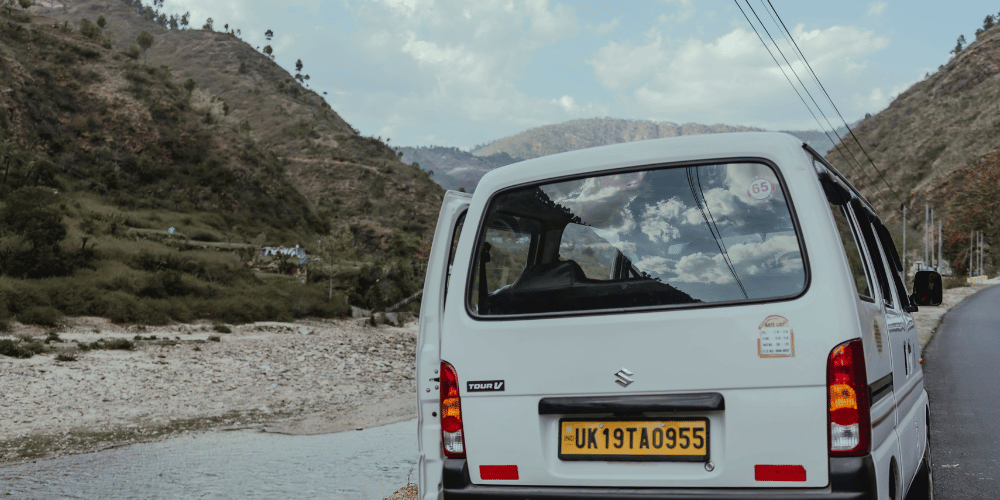
Quick Answer: Choose a private cab in Uttarakhand if you are travelling with family, seniors or children, covering more than one destination, heading to remote areas like Munsiyari or Adi Kailash, or travelling on a fixed schedule. Choose shared transport (state buses, shared jeeps or shared taxis) if you are a solo traveller or a budget backpacker on a single, well-connected route with flexible timing. For most leisure trips of 4 days or more, a private cab with one driver for the whole journey offers the best balance of safety, comfort and time.
Getting around Uttarakhand is very different from getting around a city. Distances that look short on a map take hours on mountain roads, public transport timings are often loose, and the last stretch to many destinations has no regular bus at all. The transport you choose doesn't just move you from point A to point B; it decides how much of your trip is spent sightseeing and how much is spent waiting at a taxi stand.
This guide breaks down both options honestly, route by route and traveller by traveller, so you can pick what genuinely fits your trip. It draws on how trips actually run on the ground: SnazzyTrips is a Haldwani-based Uttarakhand DMC since 2003, trusted by 20,000+ families, covering 50+ destinations with 150+ verified local partners and a 4.6/5 average rating across verified traveller reviews. As a local Uttarakhand travel company, we arrange both private vehicles and help budget travellers understand shared options, and we see the results of both choices every season.
What Counts as Private and Shared Transport in Uttarakhand?
Private transport
A vehicle hired only for your group, with a driver, for a fixed route or a fixed number of days:
- Sedan (Dzire, Etios or similar): 2–4 passengers with light luggage
- SUV (Innova, Ertiga, Xylo or similar): 4–6 passengers; the most common choice for hill trips
- Tempo Traveller: 9–16 passengers, ideal for large families and groups
- Mini coach / bus: 20+ passengers for corporate or pilgrimage groups
- Self-drive rental: Available in some cities, but a separate category with its own risks on hill roads
Shared transport
Vehicles or seats you share with other travellers:
- State and union buses: Uttarakhand Transport Corporation and private operators such as KMOU in Kumaon run buses between major towns.
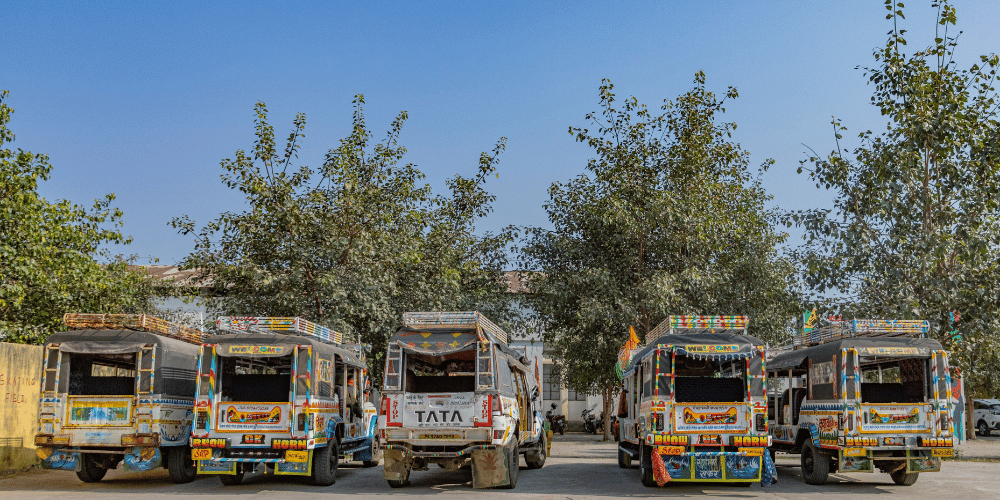
- Shared jeeps and taxis: Sumo, Max and Bolero-type vehicles that leave from taxi stands once all seats fill. These are the backbone of local travel in remote hill areas.
- Shared cabs from stations: Seat-sharing cabs from railheads like Kathgodam and Haridwar to popular towns.
- Mandatory shared shuttles: Some stretches, like Sonprayag to Gaurikund on the Kedarnath route, require you to switch to locally run shared jeeps regardless of how you arrived.
Private Cab vs Shared Transport: Quick Comparison
| Factor | Private Cab | Shared Transport |
|---|---|---|
| Cost per person | Higher for 1–2 people; becomes economical for 4+ | Lowest, especially for solo travellers |
| Flexibility | Leave when you want, stop where you want | Fixed timings or departs when seats fill |
| Time efficiency | Direct, door-to-door | Waiting time, changes, indirect routes |
| Comfort | Private space, AC, luggage room | Crowded seats, limited luggage space |
| Sightseeing en route | Easy to stop at viewpoints and temples | Not possible |
| Remote destinations | Reliable | Limited or no service on many routes |
| Safety and accountability | Known operator, known driver | Varies; less accountability |
| Suitability for seniors/kids | High | Low |
| Best for | Families, couples, groups, multi-stop trips | Solo travellers, backpackers, single routes |
When a Private Cab Is the Better Choice
1. You're covering more than one destination
Multi-stop itineraries are where private cabs make the strongest case. Shared transport usually runs between two fixed points, so a route like Nainital → Ranikhet → Kausani → Almora might mean four separate vehicle changes, each with waiting time. A private cab turns that into a single smooth journey with stops at viewpoints along the way. If you're planning a multi-stop Kumaon circuit, one vehicle for the entire trip is close to essential.
2. You're travelling with seniors, children or anyone with health concerns
Shared jeeps are often packed tightly, with little legroom and no flexibility for toilet breaks or motion sickness. Private cabs let you stop when someone feels unwell, keep medicines and snacks within reach, and travel at a gentler pace.
3. You're heading somewhere remote
The further you go into the mountains, the thinner the shared network gets. Munsiyari, Chaukori, Binsar, Dharchula and border-area villages may have only a few shared departures a day, often early morning. For Munsiyari road trips, a private vehicle means you aren't racing to catch the only jeep out of town.
For border pilgrimages, the logistics go further. Many Adi Kailash yatra with permit-ready vehicles itineraries switch to sturdy local SUVs at Dharchula because the upper roads demand high ground clearance and experienced local drivers.
4. You're on a pilgrimage with fixed timings
Darshan, aarti and registration windows don't wait for a jeep to fill up. On the Char Dham circuit, commercial vehicles also need valid route documentation, which reputable operators manage in advance. For anyone planning Char Dham yatra by private vehicle, a dedicated driver who knows the base towns, parking points and early-morning start times saves enormous stress.
5. You have limited days
When every day counts, the hours lost waiting at taxi stands and changing vehicles add up quickly. A private cab can save several hours over a 5-day trip, which often means one extra destination or a relaxed morning.
6. You're carrying luggage
Shared jeeps strap luggage to the roof, often under a tarp. Rain, dust and loose straps are common. Private cabs keep bags inside and secure.
7. You want to stop for views, photos and food
Some of the best experiences in Uttarakhand happen between destinations: a roadside chai stall with a Himalayan view, a riverside temple, an orchard selling fresh fruit. Shared transport doesn't stop for any of it.
SnazzyTrips Traveller Data: In the trips we manage, families who switch from a shared-transport plan to a single private vehicle consistently report fewer "lost days" and more time at destinations. The difference is most visible on 5–7 day Kumaon itineraries, where vehicle changes would otherwise eat into almost every day.
When Shared Transport Makes Sense
Private cabs aren't always the right answer. Shared transport works well when:
1. You're a solo traveller on a budget
For one person, a private cab can cost several times more per head than shared seats. If you're travelling light and your schedule is flexible, shared jeeps and buses are an honest, practical way to explore.
2. You're on a single, well-connected route
Some routes have frequent, reliable shared services, including:
- Haridwar to Rishikesh (frequent buses, shared autos and taxis)
- Kathgodam and Haldwani to Nainital and Bhimtal
- Dehradun to Mussoorie
- Ramnagar to nearby towns
For a simple Rishikesh weekend trip, a train to Haridwar plus local shared transport can be perfectly adequate for young travellers.
3. You enjoy local, slow travel
Shared jeeps are where you meet locals, hear pahadi music on the stereo, and see daily life up close. For backpackers and travellers seeking authenticity, that's part of the appeal.
4. You have time to spare
If you're on a long, open-ended trip and don't mind waiting an hour for a jeep to fill, shared transport stretches your budget much further.
5. A shared stretch is mandatory anyway
On the Kedarnath route, private vehicles stop at Sonprayag, and pilgrims continue to Gaurikund in shared local jeeps. Even with a private cab, plan for this section.
How to Think About Cost
Cost is the biggest reason travellers consider shared transport, but the comparison is not always as simple as it looks.
Private cabs are priced per vehicle, usually per day or per kilometre, plus driver allowance, tolls, parking and state entry charges where applicable. The total is then split across your group.
Shared transport is priced per seat. It's cheapest for one or two people, but the savings shrink as your group grows.
A simple way to decide:
- 1 traveller: Shared transport is usually far cheaper.
- 2 travellers: Shared is cheaper, but a private sedan becomes reasonable on multi-stop trips once you factor in time saved.
- 3–4 travellers: A private sedan or small SUV is often close to shared costs and far more convenient.
- 5–7 travellers: A private SUV is usually the most cost-efficient and comfortable choice.
- 8+ travellers: A Tempo Traveller often costs less per person than shared seats.
Also count the hidden costs of shared travel: extra hotel nights when you miss the last jeep, porter or auto charges between stands, and meals while waiting. For larger groups, a group tour in a tempo traveller usually works out simpler and cheaper per head than coordinating everyone across shared vehicles.
SnazzyTrips Recommends: When comparing private cab quotes, always check whether tolls, parking, driver allowance, night charges and interstate permits are included. Two quotes with the same headline price can differ meaningfully once these are added.
Route-by-Route Guide: Private or Shared?
| Route / Destination | Shared Option Availability | Our Suggestion |
|---|---|---|
| Kathgodam → Nainital | Frequent shared cabs and buses | Shared works for solo; private for families |
| Haridwar → Rishikesh | Very frequent buses, autos, taxis | Shared is easy for most travellers |
| Dehradun → Mussoorie | Regular buses and shared taxis | Shared for solo; private for luggage and families |
| Kathgodam → Kainchi Dham | Shared taxis available, less frequent | Private for families and day trips |
| Nainital → Kausani / Almora | Limited direct shared options | Private recommended |
| Kumaon multi-stop circuit | Fragmented, multiple changes | Private strongly recommended |
| Munsiyari / Chaukori | Few departures, mostly early morning | Private strongly recommended |
| Char Dham Yatra | Buses available but long and tiring | Private strongly recommended |
| Sonprayag → Gaurikund | Mandatory shared jeeps | Shared (no alternative) |
| Adi Kailash / Om Parvat | Very limited; permits involved | Private with local SUV switch |
| Jim Corbett (Ramnagar) | Local transport limited for zone gates | Private, plus licensed safari vehicle inside the park |
| Chopta / Tungnath | Few direct shared options | Private recommended |
A few route notes:
- Kainchi Dham: Many devotees visit as a half-day or day trip. Shared taxis do run, but returning during busy days can be difficult. For Kainchi Dham trips from Kathgodam, a private cab gives you a guaranteed ride back.
- Nainital: Shared cabs reach town easily, but local sightseeing points like Snow View, Tiffin Top and the outer lakes are spread out. Nainital sightseeing tours with a private cab cover these in a single day. In peak season, vehicles may be stopped at designated parking areas outside the main town, so expect short walks or local shuttles either way.
- Kausani: There's no fast shared route from the railhead. A Kausani trip from Kathgodam is far smoother by private cab, with stops at Almora or Someshwar on the way.
- Mussoorie: The Dehradun–Mussoorie road is well served, and many travellers combine a train to Dehradun with local transport. Families on Mussoorie holidays still usually prefer a private cab for day trips to Kempty Falls, Dhanaulti and Landour.
- Jim Corbett: You'll need a private cab or transfer to reach your resort, but inside the park you must use a registered safari jeep or canter. Jim Corbett tours usually bundle both.
- Chopta: Shared services towards Ukhimath and Chopta are infrequent. For Chopta and Tungnath, a private vehicle lets you start the trek early and avoid getting stranded.
Safety and Comfort on Mountain Roads
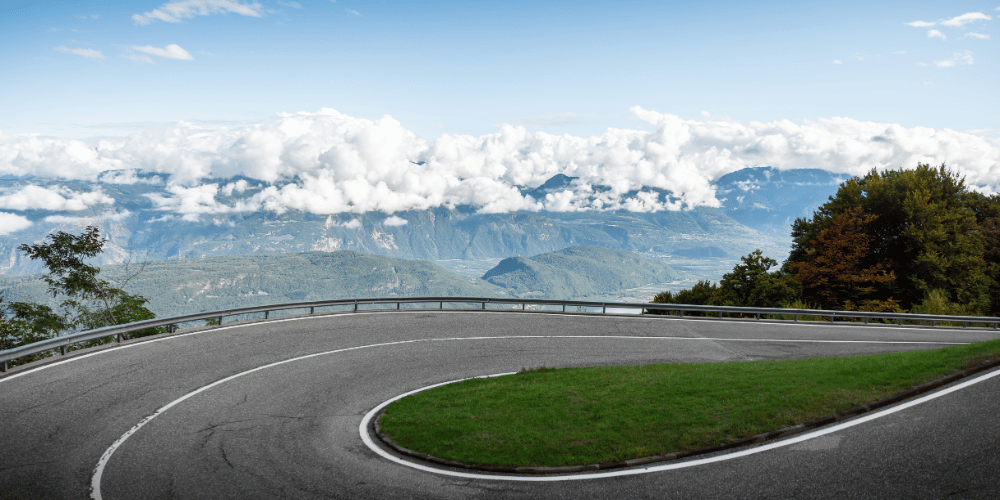
Uttarakhand's roads demand respect. Whatever you choose, these factors matter:
Driver experience
Hill driving is a specific skill: managing hairpin bends, giving way on narrow stretches, reading landslide-prone sections, and knowing when to stop for the day. Private operators who work in the region every season usually employ drivers who know each route. In shared jeeps, you have no say in who's driving.
Night driving
Avoid driving on hill roads after dark wherever possible. Visibility drops, wildlife crosses roads, and fatigue builds after long days. A private cab lets you plan arrival times; shared transport may run late into the evening on some routes.
Overloading
Shared jeeps are sometimes loaded beyond their seating capacity, especially on remote routes. This affects both comfort and safety on steep roads.
Motion sickness
Winding roads affect many travellers. In a private cab, you can sit in the front, open windows, and stop when needed. In a shared jeep, you may be wedged in the back seat for hours.
Monsoon and winter conditions
During the monsoon, landslides can block roads for hours. In winter, snow and frost make some higher roads slippery. A private driver can reroute, wait it out, or adjust the plan; shared services may simply be cancelled.
SnazzyTrips Insight: The single most useful thing a private driver offers in the mountains isn't speed; it's judgment. Knowing when to leave early, when to stop, and when a road isn't worth attempting that day prevents most of the problems travellers face on hill routes.
Choosing the Right Private Vehicle for Your Group
If you decide on a private cab, the vehicle matters as much as the decision itself:
| Group Size | Recommended Vehicle | Notes |
|---|---|---|
| 1–3 people, light luggage | Sedan | Fine for main highways and easier hill routes |
| 3–6 people | SUV (Innova / Ertiga type) | Best all-rounder for hill trips; more ground clearance |
| 7–12 people | Tempo Traveller (12-seater) | Comfortable for large families |
| 12–16 people | Tempo Traveller (16-17 seater) | Good for groups and corporate trips |
| 20+ people | Mini coach / bus | Check road suitability; not all hill roads take big vehicles |
For remote and high-altitude routes, an SUV is almost always better than a sedan because of ground clearance, engine power on steep climbs, and luggage space. Large buses can't reach some hill towns at all, so for big groups we often split into two or more Tempo Travellers instead.
The Hybrid Approach: Mixing Both
You don't have to choose only one. Many travellers combine both sensibly:
- Train or bus to the railhead, private cab in the hills: Take a train to Kathgodam, Haridwar or Dehradun, then switch to a private cab for the mountain stretch. This keeps long-distance costs low and hill travel comfortable.
- Private cab for transfers, shared for local hops: In towns like Rishikesh, use a private cab to arrive and leave, but use local autos and shared transport for short trips within town.
- Shared to the base, private for the hard part: Budget trekkers sometimes take shared transport to a base town and hire a local vehicle only for the final stretch to the trailhead.
For travellers who'd rather not stitch this together themselves, ready Uttarakhand packages with private cab transfers already include the right vehicle for each leg of the route.
What to Confirm Before Booking a Private Cab
Before you pay an advance, get clear answers on these:
- Exact vehicle model and whether it will be the same vehicle for the whole trip
- Inclusions: fuel, tolls, parking, driver allowance, night charges, state permits
- Kilometre or day limits, and the rate for extra kilometres or hours
- Driver accommodation and meals (usually the operator's responsibility, but confirm)
- Commercial registration: tourist vehicles should have yellow number plates and valid permits
- Route documentation for Char Dham or border areas where required
- Backup plan if the vehicle breaks down in a remote area
- Driver contact details shared at least a day before pickup
Also choose hotels that a vehicle can actually reach. If you haven't done so already, read our guide on choosing hotels with easy road access, since a great cab is wasted if the last stretch to your hotel is a long walk uphill with luggage.
If you're booking through an operator, it helps to understand the difference between a travel agent and a local tour operator: local operators usually own or directly manage their vehicles and drivers, while resellers subcontract and have less control on the ground. Before committing, go through this guide on how to vet a travel company before booking, including questions about vehicles and drivers.
Decision Framework: Which Should You Choose?
Answer these five questions:
- How many people are travelling? One or two leans shared; four or more leans private.
- How many destinations? One leans shared; two or more leans private.
- How remote is the route? Main highway towns allow shared; remote valleys need private.
- Who's in your group? Seniors, children or anyone with health concerns means private.
- How fixed is your schedule? Flexible allows shared; fixed dates, darshan timings or flights mean private.
If three or more answers point towards private, a private cab is almost certainly worth it. If most point to shared, you can travel comfortably on a budget with a little extra planning.
Frequently Asked Questions
Is it better to hire a private cab or use shared transport in Uttarakhand?
For families, groups, multi-destination trips and remote areas, a private cab is better because it saves time, offers comfort and allows flexible stops. Shared transport suits solo or budget travellers on single, well-connected routes like Haridwar to Rishikesh or Dehradun to Mussoorie.
Is shared jeep travel safe in Uttarakhand?
Shared jeeps are widely used by locals and are generally a normal part of hill travel, but conditions vary. Vehicles can be crowded or overloaded, and you have no control over the driver or departure times. For seniors, children or travellers prone to motion sickness, a private cab is a safer and more comfortable choice.
How much does a private cab cost in Uttarakhand?
Private cab costs depend on the vehicle type, number of days, total distance and inclusions like tolls, parking and driver allowance. Rates also rise during peak seasons. For groups of four or more, the per-person cost of a private SUV often comes close to shared transport while being far more convenient.
Can I travel the Char Dham Yatra by shared transport?
Yes, buses and shared vehicles do operate on Char Dham routes, but the journey is long and tiring, with fixed timings and frequent changes. Most pilgrims, especially families and seniors, prefer a private vehicle with an experienced driver who knows the route and base towns.
Do I need a private vehicle all the way to Kedarnath?
No. Private vehicles stop at Sonprayag, from where pilgrims take mandatory shared local jeeps to Gaurikund. The trek to Kedarnath starts at Gaurikund, with pony, palki and helicopter options also available.
Which vehicle is best for a hill trip in Uttarakhand?
An SUV like an Innova or Ertiga is the best all-round choice for 4–6 travellers, thanks to its ground clearance, power and luggage space. Sedans work for couples on easier routes, while Tempo Travellers suit groups of 8–16.
Is self-drive a good idea in Uttarakhand?
Self-drive is possible on main routes for experienced hill drivers, but it isn't recommended for first-time visitors. Narrow roads, sharp bends, landslide zones and patchy mobile signal make local drivers a safer choice, especially on remote and high-altitude routes.
Can I mix private and shared transport on one trip?
Yes. Many travellers take a train or bus to a railhead like Kathgodam, Haridwar or Dehradun and then hire a private cab for the hill section. Others use private transfers between towns and shared transport for short local hops.
Why book transport through SnazzyTrips?
SnazzyTrips is a Haldwani-based Uttarakhand DMC operating since 2003, trusted by 20,000+ families across 50+ destinations. With 150+ verified local partners and a 4.6/5 average rating across verified traveller reviews, the team arranges vehicles and experienced hill drivers matched to each route, group size and season.
Final Word
There's no single right answer, only the right answer for your trip. Shared transport is an honest, affordable way to explore Uttarakhand if you're travelling light, alone and without a tight schedule. A private cab is the smarter choice for families, groups, pilgrims and anyone covering multiple destinations or heading into remote valleys. Decide based on group size, route and schedule rather than price alone, and you'll spend your trip enjoying the mountains instead of waiting for a ride.
If you want help matching the right vehicle to your route, the SnazzyTrips team in Haldwani can plan transport for every leg, from railhead pickup to the final drop.
Travel Packages