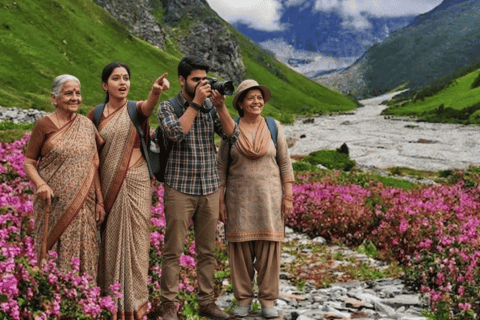
Valley of Flowers Attractions: What to See, From Ghangaria to Hemkund Sahib
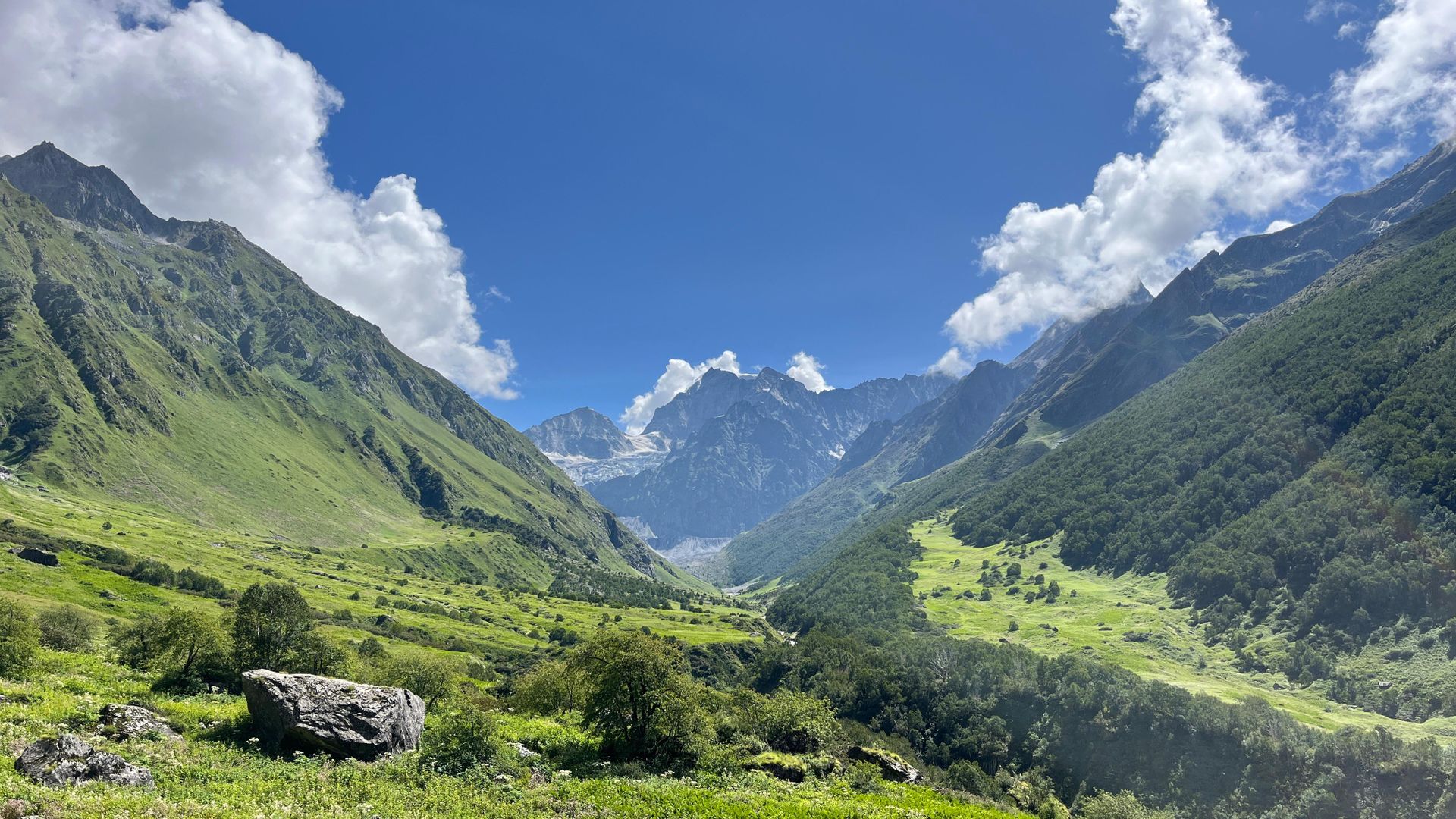
The Valley of Flowers National Park revolves around one central attraction: the alpine meadow itself, an eight-kilometre glacier-fed basin in Chamoli district that fills with hundreds of flower species between June and October. But most travellers end up experiencing more than just the meadow. The trip typically includes Ghangaria, the base village where every trek starts; the Pushpawati river that runs through the valley; a memorial to a botanist who died here in the 1930s; and, for those adding an extra day, Hemkund Sahib, a high-altitude gurudwara reached by a separate climb from Ghangaria.
Nothing here is drive-up. Everything is reached on foot, and that single fact should shape how you plan the trip.
Why This Destination Doesn't Work Like a Typical Sightseeing List
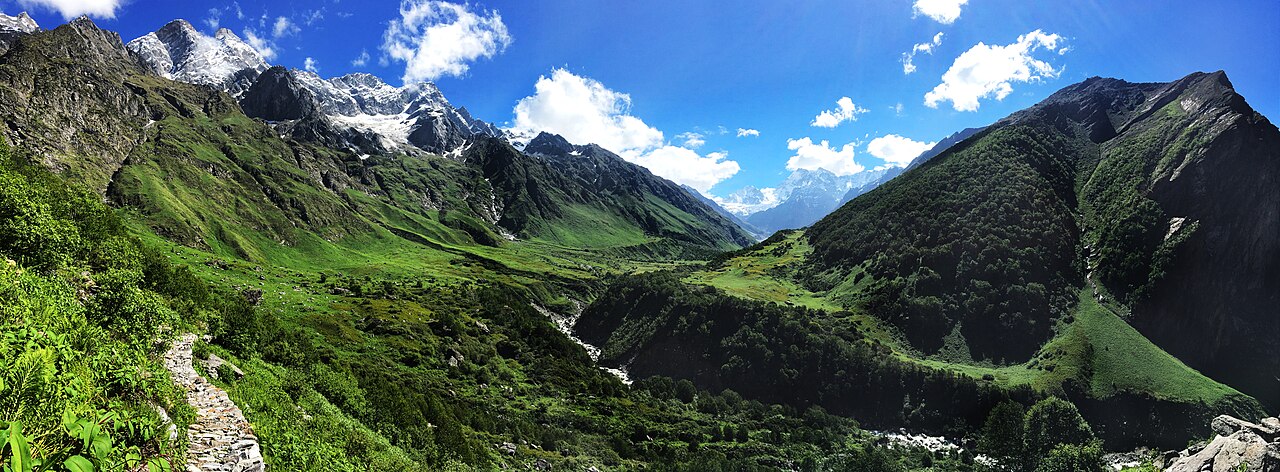
Most Uttarakhand hill destinations offer a set of viewpoints, temples or lakes connected by road, so a traveller can visit several in a day. Valley of Flowers is different. It sits inside a UNESCO World Heritage core zone with a daily visitor cap and fixed entry and exit timings, and it can only be reached by walking in from Ghangaria.
So the real planning question isn't "which attractions should I see" — it's "how much walking can I realistically do, and across how many days." This guide covers what's inside the park, what sits just outside it, and how to sequence the trek so you don't run out of time or energy for the parts that matter most to you.
The Valley Meadow: What Changes As You Walk In
From the forest checkpoint near Ghangaria, it takes roughly three to four kilometres of walking to reach the heart of the bloom. The flowers change character as you go — the lower stretch tends to show geraniums, primulas and anemones earlier in the season, while species like Brahma Kamal and the Himalayan blue poppy generally show up further in, closer to the valley's upper reaches, and later in the monsoon window.
Most day visitors walk to a rest point around the four-kilometre mark, spend time there, and turn back toward Ghangaria before the park's evening closing time. A smaller number of fitter trekkers continue further toward the valley's far end, where the Pushpawati riverbed opens out and peaks such as Gauri Parbat and Rataban dominate the skyline.
One thing worth knowing before you go: there isn't one single "iconic" photo point the way there might be at a lake or a temple. The value here comes from walking slowly and stopping often, not from rushing toward one endpoint and back.
Ghangaria: More Than Just a Place to Sleep
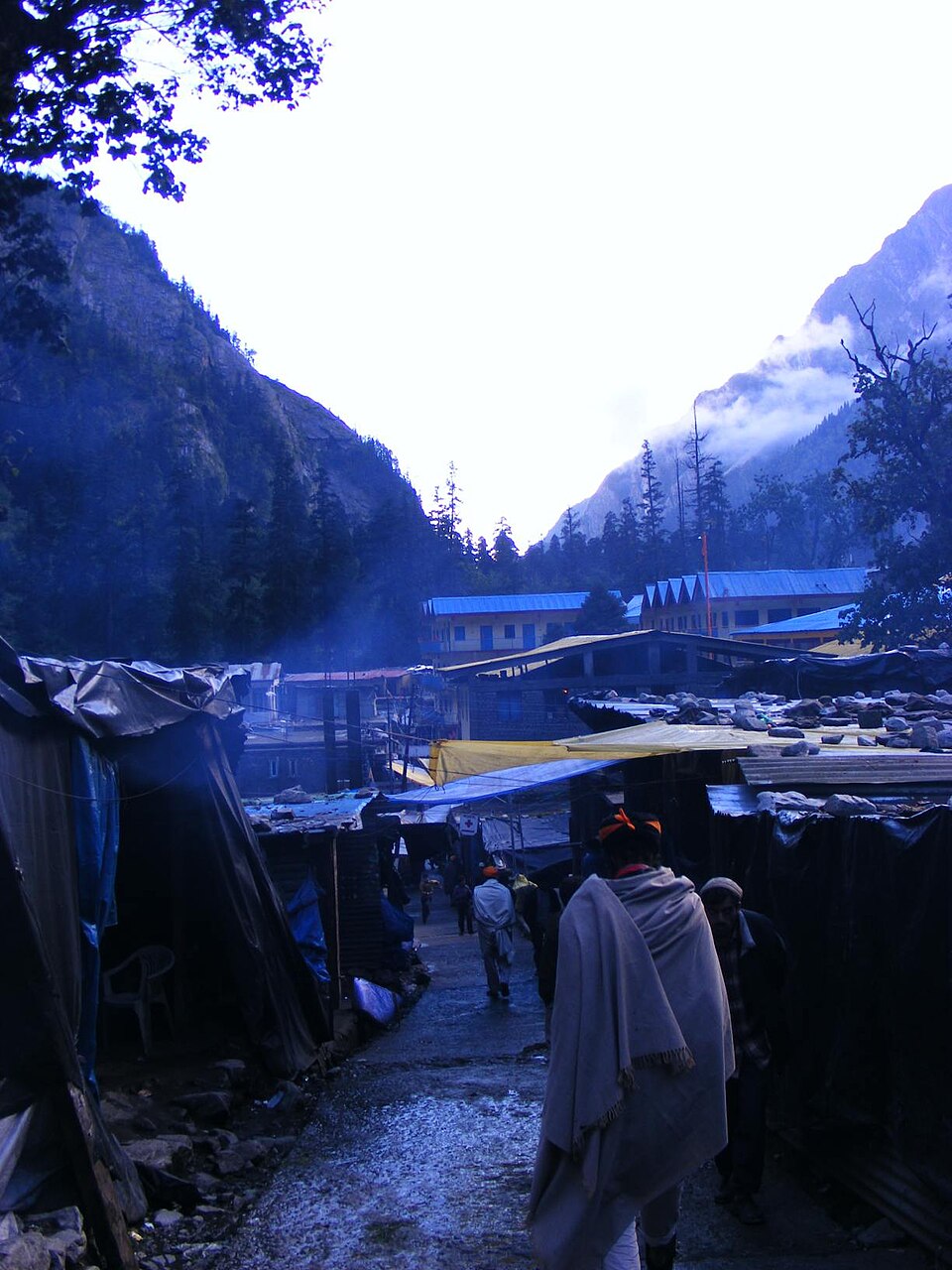
Ghangaria sits at around 3,050 metres and is the last inhabited stop before both treks — the valley and Hemkund Sahib both start from here. Beyond being a base for the night, it's where permits are issued, gear can be rented, and trekkers get their last proper meal before heading up. If online registration wasn't possible in advance, the Forest Department counter here is the fallback, and it generally opens before the park's morning entry time.
Because Ghangaria is the hub for two separate treks, it's also where most itineraries decide how to split the available days — a decision that matters more than people expect, since bad weather on one day can otherwise cost you an entire attraction. SnazzyTrips structures its Valley of Flowers tour packages, treks and Hemkund Sahib routes around this Ghangaria-first sequencing, so a single washed-out day doesn't force travellers to skip either trek entirely.
Hemkund Sahib: The High-Altitude Extension Most Trips Add On
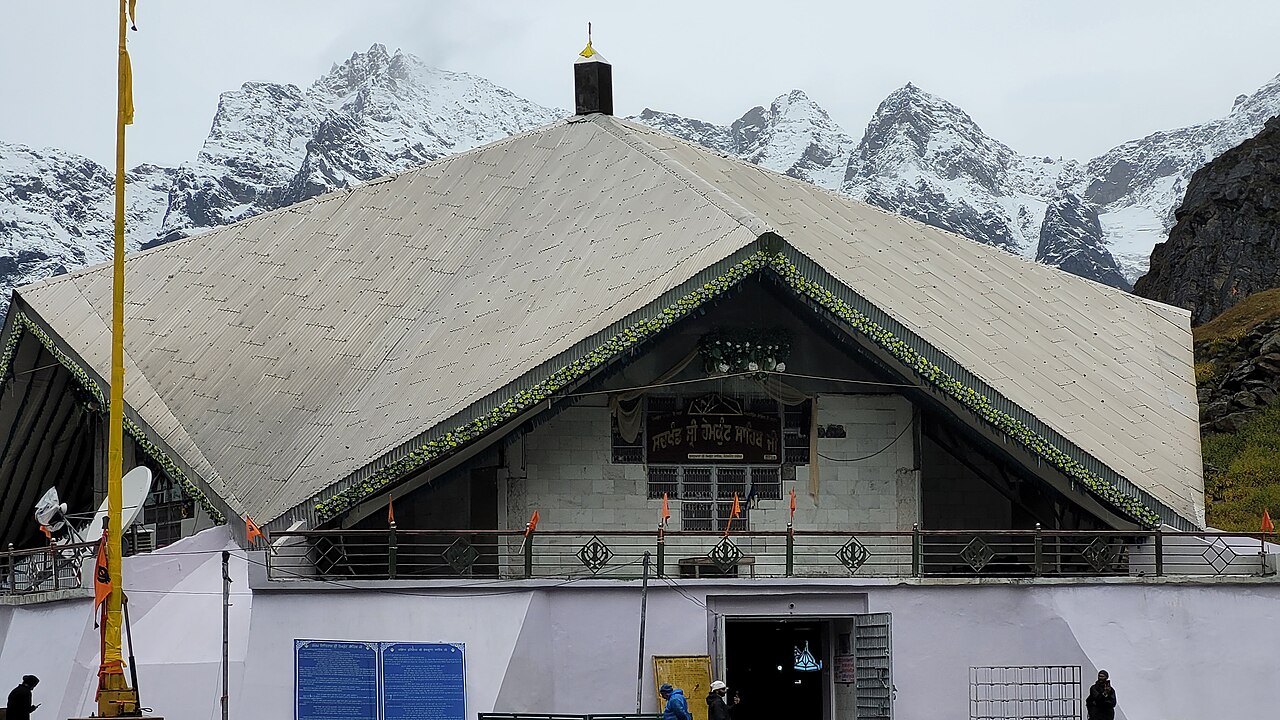
Hemkund Sahib is a separate climb from Ghangaria, roughly six kilometres one way, gaining well over a thousand metres of altitude to reach the gurudwara and glacial lake near 4,300 metres. It's steeper, thinner-aired, and a different kind of day than the valley walk — this one is a pilgrimage climb, not a nature trail, and it draws a different crowd and pace.
A common planning mistake is assuming both treks can be done on the same day; in reality, most travellers need two separate full days from Ghangaria, since each round trip alone runs six to eight hours. For travellers whose main purpose is the pilgrimage rather than the flowers, it's worth looking at how Hemkund Sahib fits into a broader route through SnazzyTrips' Uttarakhand pilgrimage tours, which sequence it alongside other regional shrines instead of treating it as an isolated add-on.
Pushpawati River and the Valley's Far End
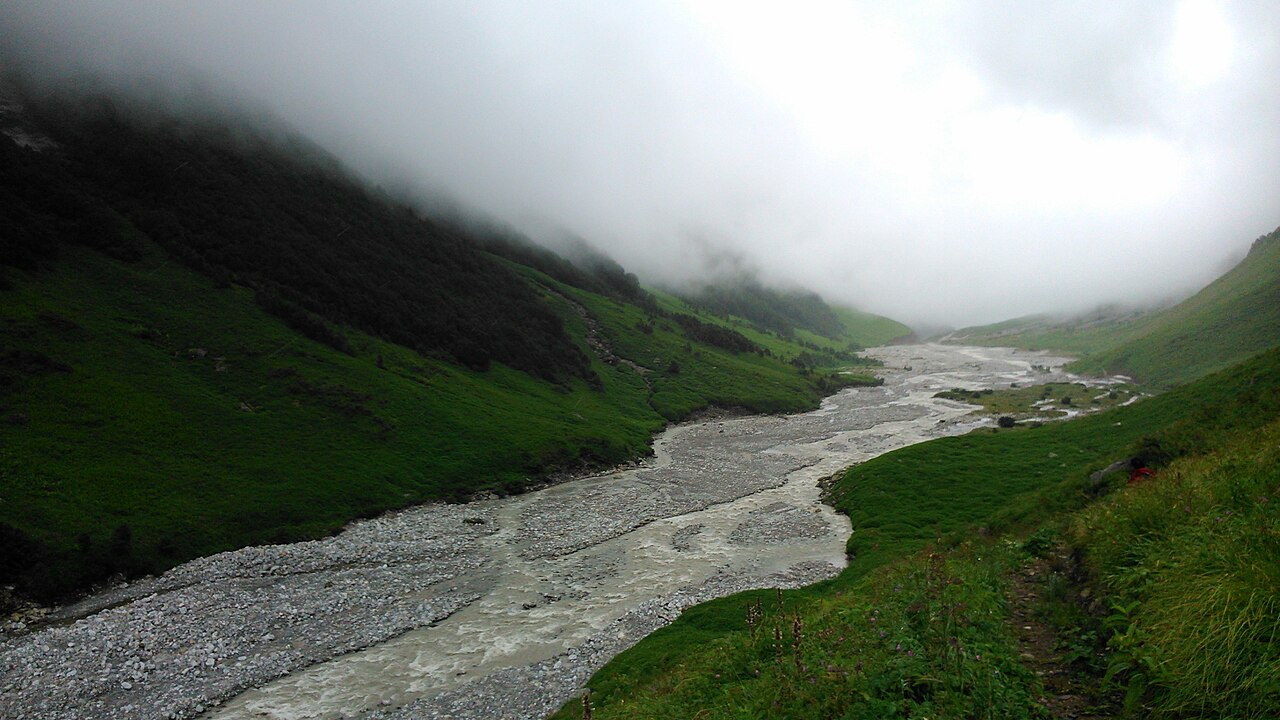
The Pushpawati river runs the length of the valley, and it's often the spot where trekkers who came for the flowers end up lingering longest — it's a natural resting point roughly midway through the walk. Those who push further toward the valley's northern stretch can reach areas closer to the Tipra Glacier, with Rataban peak filling the background.
This extended stretch adds meaningful distance and altitude, and it isn't part of the standard day-trek most groups follow. It only makes sense for trekkers who are already moving comfortably and have enough daylight left before the mandatory evening exit — not something to attempt after an already tiring walk in.
Flowers and Wildlife Inside the Park
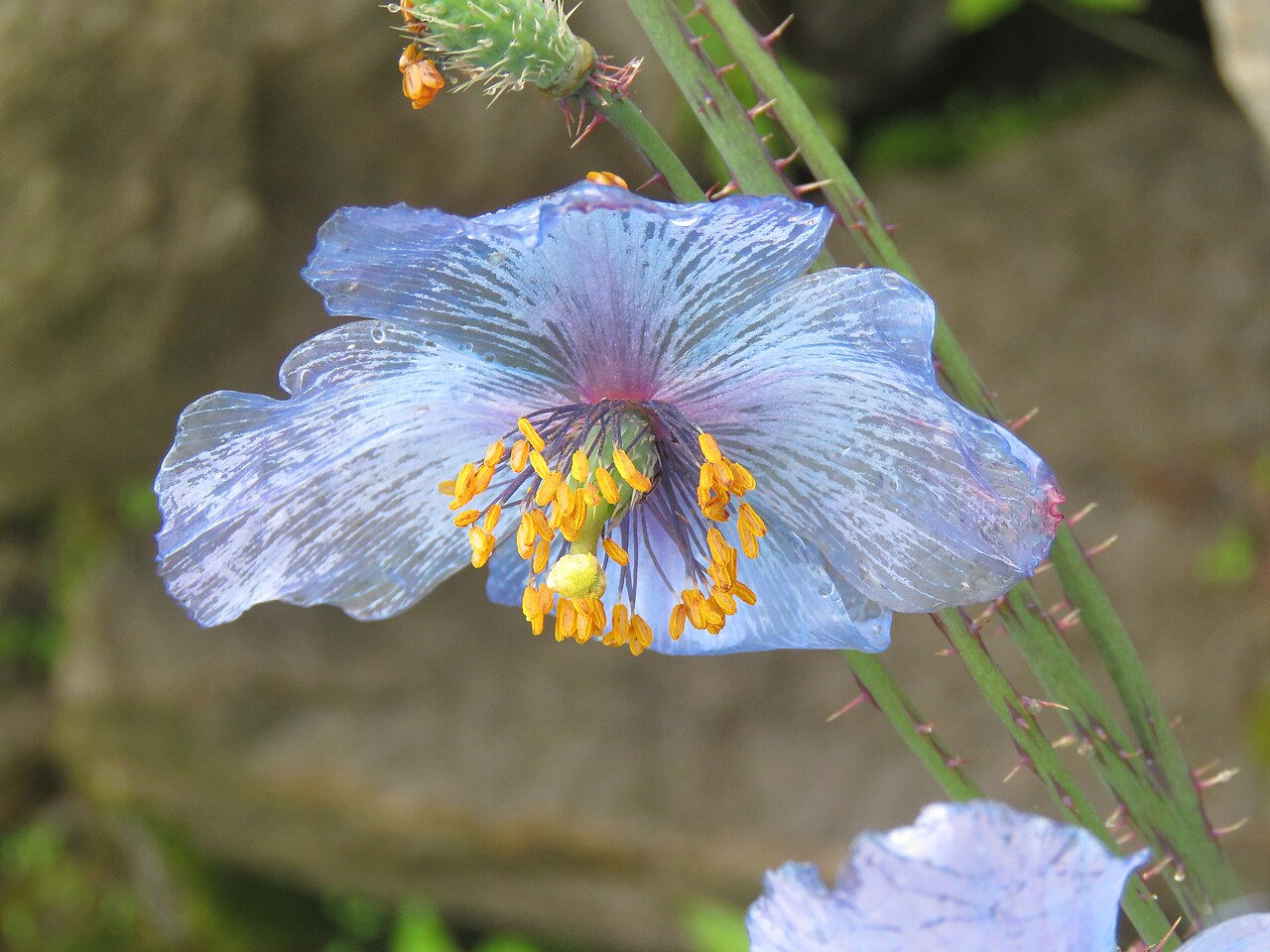
The valley's headline draw is its flora — several hundred species, including rare ones like the blue poppy and the cobra lily — but the bloom genuinely shifts within a single season, not just year to year. A visit in early June looks noticeably different from a visit in mid-August, since different species peak at different points of the monsoon.
Beyond flowers, the park sits in a zone where bird species from both the eastern and western Himalaya overlap, so birdwatchers with patience and binoculars tend to notice far more than casual walkers do. Sightings of larger animals like musk deer are possible but uncommon enough that they shouldn't be the reason for the trip.
The Joan Margaret Legge Memorial and Other Quiet Stops
Partway along the main trail is a small memorial to a botanist who died in the valley in the 1930s while studying its flora — one of the few human-history markers inside an otherwise natural landscape. It's a brief stop rather than a destination, but it adds context for travellers curious about how the valley came to international attention in the first place.
Along the same stretch, wooden bridges, small waterfalls and the tree line thinning into alpine meadow are worth pausing for — these are the incidental attractions that don't get listed separately but shape most people's memory of the walk.
SnazzyTrips Insights
A few planning realities that aren't always obvious from a first search:
- Same-day entry and exit is non-negotiable. Nobody stays overnight inside the park itself — everyone returns to Ghangaria before the evening cutoff, so the valley and Hemkund Sahib are always day trips from a fixed base.
- The permit cap can affect your dates, not just your day. Because visitor numbers are capped daily, peak-season slots can fill up, so booking dates in advance matters more here than at most Uttarakhand destinations.
- Weather buffers matter more than people plan for. Because both major treks depend on clear trail conditions, building in one flexible day between Ghangaria arrival and departure protects against losing an entire attraction to rain or fog.
- The trek to Ghangaria itself is the biggest variable. Most of the physical effort in this trip is the walk from Govindghat to Ghangaria, not the shorter walks to the valley or the shrine — first-time trekkers often underestimate this stretch.
Who Should Visit — And Who Should Plan Differently
- First-time Himalayan trekkers generally do fine here, since the main valley trail is graded and paced for a wide range of fitness levels, though the Hemkund Sahib climb is noticeably harder and shouldn't be assumed to be a similar effort.
- Families with older children can usually manage the valley walk with rest breaks, but Hemkund Sahib's altitude and gradient make it a tougher call for younger kids or anyone unused to walking at altitude.
- Senior citizens can often complete the valley trek at a slow pace with porters or ponies available on the approach trail, but the Hemkund Sahib climb should be evaluated carefully given the altitude gain involved.
- Photographers benefit from choosing later-July to mid-August dates for peak bloom, but should expect crowded trail sections during that same window, since it's the most popular time to visit.
- Groups travelling together benefit from Ghangaria's role as a shared base, since it lets a group split across the valley and Hemkund Sahib treks on different days without changing accommodation — something SnazzyTrips accounts for in its Uttarakhand group tour packages.
Attraction Comparison: What to Prioritise If Time Is Short
| Attraction | Best For | Typical Round-Trip Time | Key Trade-off |
|---|---|---|---|
| Valley of Flowers meadow | Nature lovers, photographers, first-time trekkers | 6–8 hours from Ghangaria | Best bloom is monsoon-dependent, so timing matters |
| Hemkund Sahib | Pilgrims, experienced trekkers | 6–8 hours from Ghangaria | Steeper and higher altitude than the valley trek |
| Ghangaria village | Everyone (base stop) | N/A (overnight base) | Not a sightseeing stop, but essential for permits and rest |
| Pushpawati riverbed / far valley | Fitter trekkers with time to spare | Adds 2–3 hours beyond standard valley walk | Not part of the standard day-trek; needs daylight buffer |
Nearby Attractions Beyond the Valley
Travellers building a longer Uttarakhand trip often combine this trek with wider exploration of the Garhwal region, since Govindghat and Joshimath sit along routes toward Badrinath and other Char Dham stops — worth reviewing through SnazzyTrips' Garhwal tour packages if you're extending the trip.
Travellers who'd rather split their Uttarakhand time between this Himalayan trek and the lake-and-hill-station landscape of the Kumaon region can look at Kumaon tour packages as a separate leg, though the two regions don't combine easily into a single short trip given the distances involved.
For a broader look at how this trek fits into overall Uttarakhand planning, SnazzyTrips' Uttarakhand tour packages page is a useful starting reference. Since the entire trip is walking-based, it also fits naturally under trekking-focused planning — see Uttarakhand trekking and hiking tour packages for how this trek compares to other regional treks in difficulty and duration. And because the flowering season overlaps almost entirely with the monsoon, it's worth checking Uttarakhand monsoon tour packages if you're weighing this against other monsoon-season destinations in the state.
Travellers coming from western India sometimes ask about combined routing from Mumbai — SnazzyTrips' Valley of Flowers package from Mumbai lays out one way to structure that longer journey door to door.
Who Should Not Attempt This Trip
Anyone with limited experience walking at altitude, or with cardiac or respiratory conditions, should approach the Hemkund Sahib climb with particular caution, given the elevation gain involved. Travellers hoping to see peak bloom but visiting in early June or late September should also adjust expectations, since the most vivid flowering generally clusters around the mid-monsoon window rather than the full open season.
Frequently Asked Questions
Can you see the Valley of Flowers and Hemkund Sahib on the same day?
Not comfortably. Each is a separate six-to-eight-hour round trip from Ghangaria, so most itineraries plan them on two different days.
Is the Valley of Flowers open all year?
No. It operates on a seasonal window from around June through October, with exact dates depending on weather and trail conditions confirmed by the Forest Department each year.
Do you need a permit to enter?
Yes, every visitor needs a Forest Department permit, checked at the entry point near Ghangaria. This applies whether the permit is booked online in advance or obtained at the counter.
Is overnight stay allowed inside the valley?
No. Everyone must exit the park by the evening cutoff and return to Ghangaria; there is no accommodation inside the park itself.
What's the best time to see peak bloom?
Mid-July to mid-August is generally considered the peak flowering window, though exact timing varies by year and by flower species.
Is the trek suitable for beginners?
The main valley trail is manageable for many first-time trekkers at a slow pace, but the Hemkund Sahib extension is considerably more demanding and needs a realistic fitness assessment beforehand.
Travel Packages