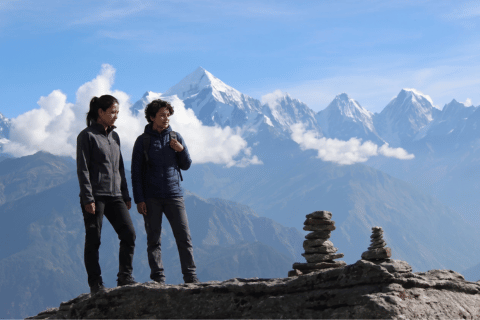
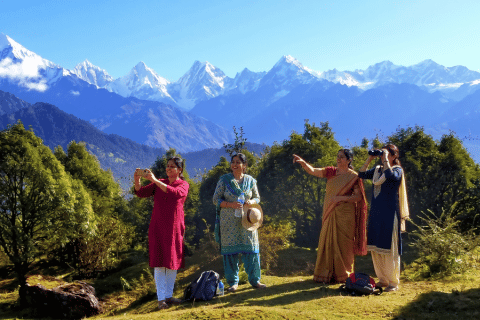
About the Uttarakhand Trekking and Hiking Tour Packages
Uttarakhand Trekking & Hiking Tour Packages 2026
What Is a Uttarakhand Trekking & Hiking Tour Package?
A Uttarakhand trekking and hiking tour package is a professionally planned multi-day mountain itinerary that combines guided trekking, accommodation, meals, transport, permits where required, and experienced local trek leaders across the Garhwal and Kumaon Himalayas. Packages range from easy 2-day nature hikes and village walks to challenging glacier expeditions lasting 8 days or more, reaching elevations above 4,500 metres.
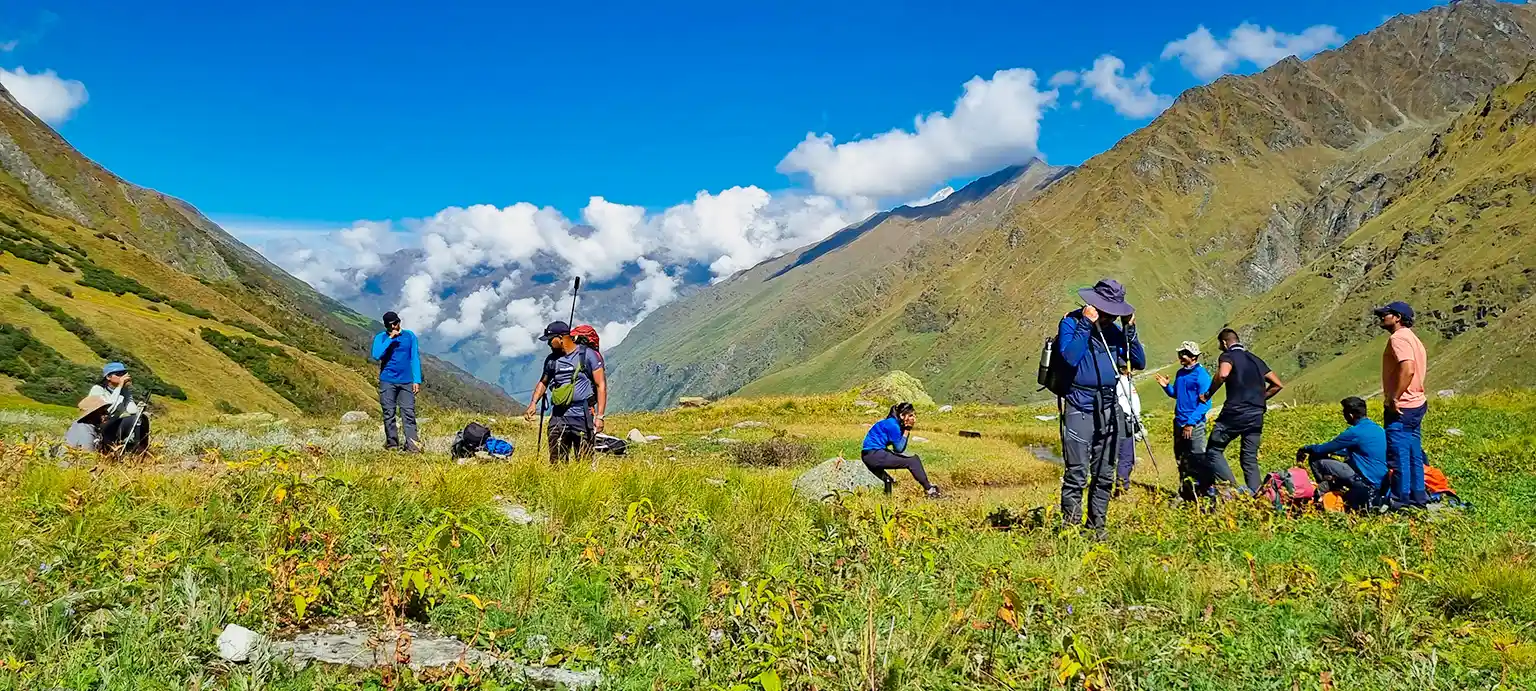
Uttarakhand is one of India's premier trekking destinations, offering an extraordinary variety of landscapes within a single state. Trekkers can walk through alpine meadows such as the Valley of Flowers, summit panoramic ridges like Chandrashila, explore remote Himalayan villages around Munsiyari, or tackle legendary glacier routes including Pindari Glacier and Milam Glacier. The combination of accessible beginner trails and demanding high-altitude expeditions makes Uttarakhand suitable for almost every experience level.
These trekking packages are designed for first-time trekkers, experienced hikers, mountaineers, photographers, college groups, corporate teams, and families looking for shorter Himalayan trails with professional support and carefully planned itineraries.
Unlike operators that focus mainly on Garhwal's famous trekking routes, SnazzyTrips also specialises in the quieter trekking regions of Kumaon, covering destinations such as Pindari Glacier, Milam Glacier, Munsiyari, and Khaliya Top. This broader regional coverage allows trekkers to discover Himalayan trails that remain far less crowded while offering equally spectacular mountain scenery.
📍 Last Reviewed: This page was last reviewed and updated in July 2026 with the latest information on trekking routes, trail difficulty, seasonal conditions, permits, and guided hiking tours across Uttarakhand.
Quick Snapshot
Whether you're planning your first Himalayan hike or a challenging glacier expedition, this quick overview explains what Uttarakhand trekking packages include, who they're designed for, and how to choose the right trail based on your experience and available time.
| Attribute |
Details |
| What It Is |
Guided trekking and hiking holidays across Uttarakhand featuring mountain trails, camping or homestays, experienced trek leaders, transport, meals, and permits where required. |
| Who It's For |
First-time trekkers, experienced hikers, mountaineers, photographers, student groups, corporate teams, and families looking for beginner-friendly Himalayan trails. |
| Key Benefit |
Explore both Garhwal's famous trekking routes and Kumaon's quieter Himalayan trails with experienced local guides and professionally planned logistics. |
| How It Works |
Choose either a fixed-departure trek or a customised itinerary with transport, accommodation, camping equipment, permits, meals, and certified trek leaders included. |
| Typical Price Range |
Rs. 6,000 – Rs. 28,000 per person, depending on trek duration, altitude, accommodation style, guide support, and difficulty level. |
| Geographic Coverage |
Garhwal: Valley of Flowers, Har Ki Dun, Kedarkantha, Dayara Bugyal, Chandrashila.
Kumaon: Pindari Glacier, Milam Glacier, Munsiyari, Khaliya Top, Nag Tibba. |
| Recommended Duration |
2–3 days for beginner hikes, 4–6 days for moderate Himalayan treks, and 6–8+ days for glacier expeditions. |
| Difficulty Range |
From Easy (Nag Tibba, Dayara Bugyal) to Difficult (Milam Glacier, Roopkund, high-altitude glacier expeditions), allowing trekkers of every experience level to find a suitable route. |
📍 Good to Know: Uttarakhand is one of the few Himalayan states where travellers can experience everything from gentle forest hikes and alpine meadows to high-altitude glacier treks within the same destination, making it suitable for beginners as well as experienced mountaineers.
Who This Page Is For
This guide is designed for trekkers, hikers, adventure travellers, photographers, student groups, corporate teams, and families looking for professionally organised trekking holidays across both the Garhwal and Kumaon Himalayas. Whether you're attempting your first Himalayan trek or planning a challenging high-altitude expedition, this page explains the best trekking routes, difficulty levels, seasons, permits, and preparation needed before heading into the mountains.
Looking for more than trekking? If you'd like to combine hiking with activities such as river rafting, wildlife safaris, skiing, or camping, explore our Uttarakhand Adventure Tour Packages, where multiple outdoor experiences are combined into one professionally planned itinerary.
What Uttarakhand Trekking Actually Covers
Trekking in Uttarakhand is far more diverse than most travellers expect. The state offers everything from gentle Himalayan meadow walks and weekend ridge hikes to demanding glacier expeditions above 4,500 metres. Broadly, Uttarakhand's trekking landscape can be divided into three categories: alpine meadow treks, glacier and high-altitude expeditions, and short village or ridge treks.
🌼 Alpine Meadow Treks
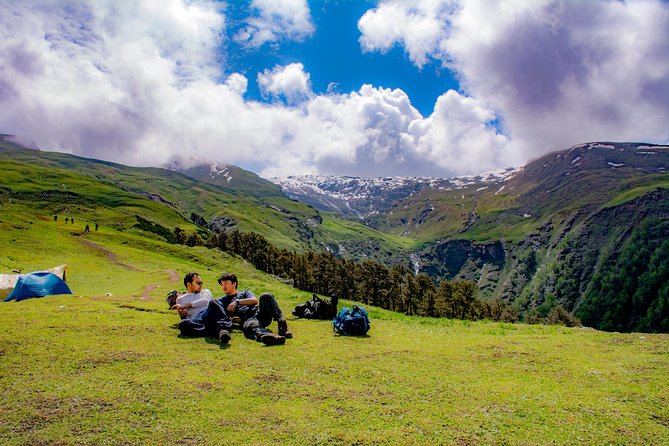
These are Uttarakhand's most beginner-friendly Himalayan trails. Famous routes include the Valley of Flowers National Park, a UNESCO World Heritage Site celebrated for thousands of seasonal alpine flowers, and Dayara Bugyal, one of India's finest high-altitude meadows offering panoramic Himalayan views with relatively easy gradients.
Many travellers combine the Valley of Flowers with the nearby Hemkund Sahib pilgrimage, making it one of Uttarakhand's most popular dual-purpose trekking circuits. Explore our Valley of Flowers Trek Packages for dedicated itineraries.
🏔️ Glacier & High-Altitude Treks
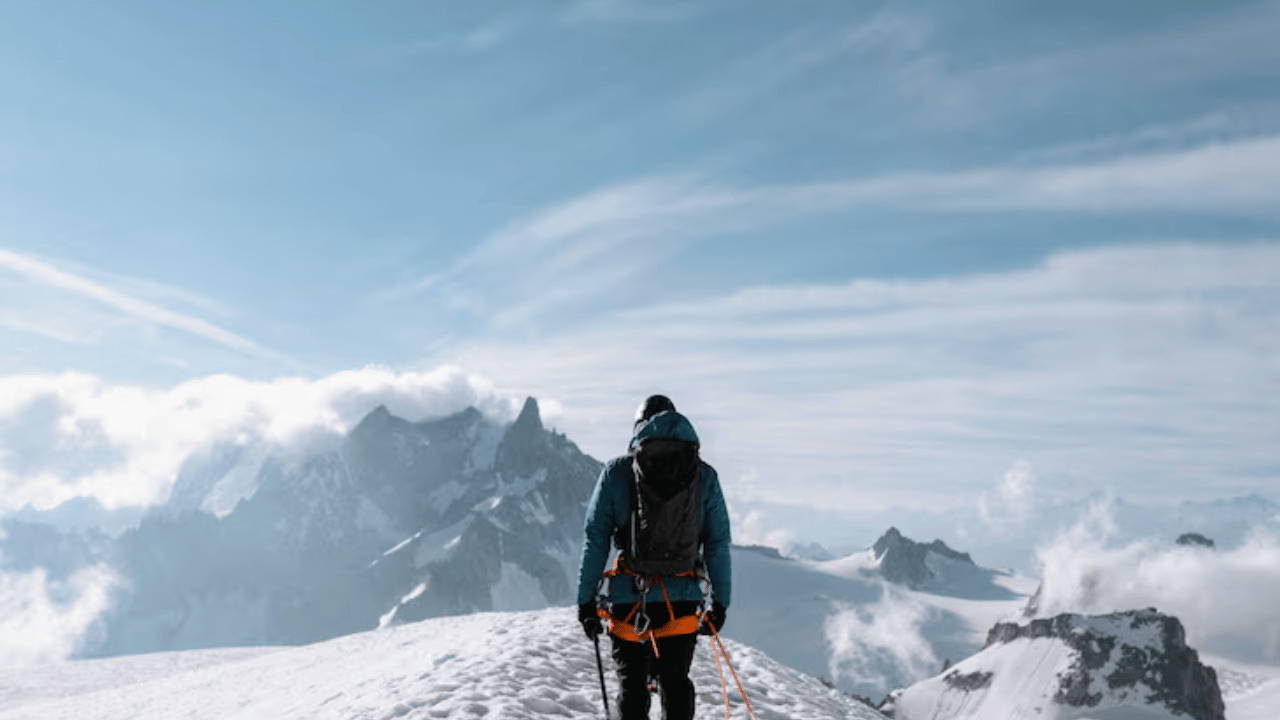
These expeditions typically reach elevations between 4,000 and 5,000 metres and are intended for trekkers with previous mountain experience. Well-known routes include Pindari Glacier and Milam Glacier in Kumaon, along with Roopkund in Garhwal. These treks involve multi-day hiking, significant altitude gain, and proper acclimatisation to reduce the risk of altitude sickness.
Because of their difficulty, these expeditions are best attempted with experienced guides, proper equipment, and carefully planned itineraries that include acclimatisation days.
🥾 Short Village & Ridge Treks
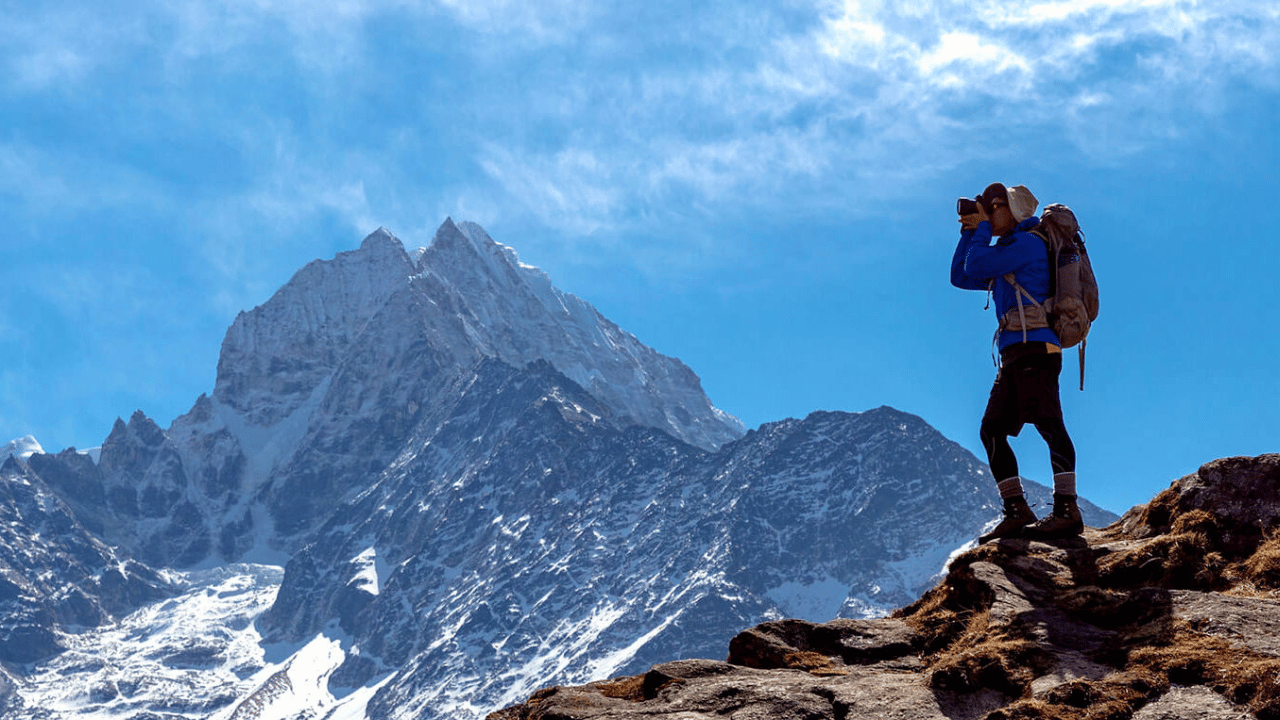
Perfect for beginners and weekend travellers, these hikes usually last 2–3 days and require only moderate fitness. Popular options include Nag Tibba in Garhwal and the Munsiyari–Khaliya Top trail in Kumaon, both offering rewarding Himalayan scenery without the challenges of extreme altitude.
Many visitors extend these shorter hikes with authentic village experiences through our Uttarakhand Village Tour Packages, combining trekking with local culture, homestays, and traditional Himalayan cuisine.
📍 Key Takeaway: Uttarakhand offers everything from easy 2-day Himalayan hikes to challenging 8-day glacier expeditions. Matching the trek's difficulty with your fitness level and previous trekking experience is the single most important decision when planning a safe and enjoyable mountain holiday.
📍 Quick Fact: Valley of Flowers National Park is generally open only from June to October. Heavy snowfall keeps the park closed during the rest of the year, making the monsoon and post-monsoon months the only period when visitors can experience its famous alpine blooms.
Why a Guided Trek Beats a Self-Planned One
Planning a Himalayan trek on your own involves much more than selecting a trail. You need to arrange permits where required, hire experienced local guides or porters, organise accommodation or camping, monitor mountain weather, and manage altitude gain safely. While this may be practical for experienced mountaineers, most trekkers find that a professionally guided package makes the journey safer, smoother, and far more enjoyable.
A guided trekking package includes certified local trek leaders, experienced support staff, route planning, transport, accommodation or camping arrangements, meals, and permits wherever applicable. Popular routes such as the Valley of Flowers National Park require entry permits, while longer glacier expeditions involve detailed logistical planning that is difficult for first-time visitors to coordinate independently.
Professional trek leaders also manage altitude acclimatisation, which becomes increasingly important above approximately 3,500 metres. Proper pacing, scheduled rest days, and continuous monitoring help reduce the risk of altitude-related illness while ensuring trekkers have sufficient time to adapt before climbing higher.
With more than 150 verified local partners across both Garhwal and Kumaon, SnazzyTrips works with experienced regional trekking teams familiar with local weather patterns, trail conditions, village networks, and emergency procedures. This regional expertise is particularly valuable because trekking routes, terrain, and logistics vary significantly between the two Himalayan divisions.
📍 Key Takeaway: A guided trekking package removes the complexity of permit arrangements, route planning, altitude management, local logistics, and safety coordination, allowing you to focus entirely on enjoying the Himalayan experience.
How to Book an Uttarakhand Trek: 5-Step Process
A successful Himalayan trek begins long before you reach the trailhead. Choosing the right route, trekking in the correct season, allowing time for acclimatisation, and confirming equipment are all essential for a safe and enjoyable experience. Follow these five steps before confirming your trek.
1. Choose the Right Difficulty Level
Select a trek that matches your fitness and previous hiking experience. Beginner-friendly routes include Nag Tibba and Dayara Bugyal, moderate treks include Har Ki Dun and Kedarkantha, while challenging expeditions such as Roopkund and Milam Glacier are better suited to experienced trekkers.
2. Confirm the Best Season
Check that your chosen trek is accessible during your travel dates. Alpine meadow treks, glacier expeditions, and winter snow treks all have different operating seasons, so timing plays a major role in trail conditions and overall safety.
3. Verify Permit Requirements
Some trekking routes require forest or protected-area permits. Popular destinations such as Valley of Flowers National Park and certain high-altitude Kumaon trails require advance permission, which is generally arranged by the trekking operator before departure.
4. Include Acclimatisation Days
For treks above approximately 3,500 metres, include at least one acclimatisation day in your itinerary. Gradual altitude gain gives your body time to adjust and significantly reduces the likelihood of altitude-related illness.
5. Confirm Guides and Equipment
Before booking, confirm exactly what is included in your package. Check whether trekking guides, tents, sleeping bags, mattresses, cooking equipment, meals, and porter support are provided or whether you'll need to arrange or carry any equipment yourself.
📍 Key Takeaway: The two biggest factors affecting trek safety are choosing the correct season and allowing enough time for acclimatisation. These influence your overall trekking experience even more than physical fitness alone.
🧭 Traveller Tip: If you're planning the Valley of Flowers Trek, aim for late July through early August, when the alpine meadows are usually at their most colourful. Keep in mind that weather conditions vary each year, so flexibility is always helpful when trekking during the monsoon season.
Best Time to Trek: Month-by-Month Suitability
Every trekking season in Uttarakhand offers a different experience. Alpine meadows bloom during the monsoon, glacier expeditions are safest before and after the rains, while short ridge hikes remain accessible for much of the year. Choosing the right month is just as important as choosing the right trail.
| Month |
Alpine Meadow Treks |
High-Altitude Glacier Treks |
Short Village & Ridge Treks |
Season Highlights |
| January |
Mostly closed due to heavy snow |
Closed |
Limited low-altitude winter hikes |
Winter trekking season |
| February |
Closed |
Closed |
Limited access |
Peak season for snow treks like Kedarkantha |
| March |
Mostly closed |
Closed |
Trails gradually reopen |
Snow begins melting at lower elevations |
| April |
Most high meadows still closed |
Lower glacier routes begin reopening |
Excellent |
Start of the pre-monsoon trekking season |
| May |
Limited access |
Excellent |
Excellent |
Clear skies and comfortable temperatures |
| June |
Valley of Flowers generally opens |
Very good before monsoon |
Good |
Final clear-weather window before monsoon |
| July |
Peak flowering season |
Generally not recommended |
Limited due to monsoon |
Best month for Valley of Flowers |
| August |
Peak bloom continues |
Generally closed |
Limited due to monsoon |
Best time to experience alpine flowers |
| September |
Flowering season tapers off |
Routes gradually reopen |
Excellent |
Fresh landscapes after the monsoon |
| October |
Most alpine parks close by mid-month |
Excellent |
Excellent |
One of the best months for Himalayan trekking |
| November |
Closed |
Good before winter snowfall |
Good |
Last major trekking window before winter |
| December |
Closed |
Closed |
Winter snow treks begin |
Kedarkantha and Brahmatal trekking season starts |
📍 Best Trekking Window: May, June, September, and October offer the widest selection of open trekking routes, stable weather, and excellent Himalayan views. For flower-filled alpine landscapes, late July through August remains the best period to visit the Valley of Flowers National Park.
What to Pack and How to Prepare
Packing for a Himalayan trek depends on the trail type, altitude, and season. A lightweight weekend hike requires very different equipment from a multi-day glacier expedition. Carrying the right gear improves comfort, reduces fatigue, and helps you stay prepared for rapidly changing mountain weather.
🌸 Alpine Meadow Treks
For treks such as Valley of Flowers and similar alpine meadow routes, pack waterproof trekking shoes, a rain jacket or poncho, and a backpack rain cover. These trails experience frequent rain during the flowering season, making paths slippery and muddy. Quick-dry clothing is also recommended instead of cotton.
🏔️ Glacier & High-Altitude Treks
For expeditions above approximately 3,500 metres, carry thermal base layers, an insulated jacket, gloves, woollen cap, headlamp, trekking poles, and well broken-in trekking boots. If advised by your doctor, medication for altitude sickness may also form part of your personal medical kit. Never attempt a high-altitude trek wearing brand-new footwear, as blisters are one of the most common reasons trekkers struggle on multi-day routes.
🥾 Short Village & Weekend Treks
Short routes such as Nag Tibba or easy ridge hikes require much lighter equipment. A comfortable daypack, sturdy walking shoes, refillable water bottle, sunscreen, light jacket, sunglasses, and basic first-aid kit are generally sufficient. Heavy camping equipment is usually unnecessary for these shorter itineraries.
🎒 Essentials for Every Trek
Regardless of the trail, always carry a reusable water bottle, energy snacks, personal medicines, sunscreen, lip balm, sunglasses with UV protection, a power bank, and government-issued photo identification. Weather in the Himalayas can change quickly, so keeping a lightweight waterproof layer in your backpack is always a good idea.
📍 Key Takeaway: Pack according to the specific trek category, not simply for "cold weather." Alpine meadow treks demand reliable rain protection, glacier expeditions require specialised high-altitude clothing, while shorter village hikes can be completed comfortably with lightweight trekking gear.
SnazzyTrips Insights
With more than 21 years of organising Himalayan treks across both Garhwal and Kumaon, our team has found that the most common planning mistake isn't choosing the wrong trek—it's trying to shorten the itinerary by removing the acclimatisation day. On routes climbing above approximately 3,500 metres, skipping this rest day significantly increases the risk of altitude-related illness and often makes the second day of climbing far more difficult than necessary.
We've also observed that while Garhwal treks such as Valley of Flowers and Har Ki Dun receive most of the attention, Kumaon's high-altitude routes—including Pindari Glacier and Milam Glacier—offer equally spectacular Himalayan scenery with noticeably fewer trekkers on the trail. For travellers who prefer quieter mountain experiences, Kumaon remains one of Uttarakhand's best-kept trekking secrets.
Many trekkers also choose to slow the pace after completing their expedition by spending a few days in a traditional Himalayan village. Our Uttarakhand Homestay Packages complement trekking itineraries with authentic village stays, home-cooked local cuisine, and a relaxing mountain experience before returning home.
📍 Local Insight: A well-planned Himalayan trek isn't measured by how quickly you finish—it is measured by how safely you adapt to altitude. Proper pacing, scheduled acclimatisation, experienced local guides, and realistic daily walking distances create a far better trekking experience than rushing through the mountains. For professionally planned trekking itineraries across Garhwal and Kumaon, explore our DMC in Uttarakhand services.
Costs and Budgeting
The cost of a trekking holiday in Uttarakhand depends primarily on the duration, altitude, accommodation style, guide support, transport, and logistics. Beginner-friendly weekend hikes are relatively affordable, while glacier expeditions require additional equipment, experienced trek leaders, porters, camping arrangements, and acclimatisation days, making them naturally more expensive.
| Trek Type |
Budget (Rs.) |
Mid-Range (Rs.) |
Premium (Rs.) |
| Short Village Trek (2–3 Days) |
Rs. 4,000 – 6,000 |
Rs. 7,000 – 9,000 |
Rs. 10,000+ |
Alpine Meadow Trek (4–5 Days)
Including Valley of Flowers |
Rs. 9,000 – 12,000 |
Rs. 13,000 – 17,000 |
Rs. 20,000+ |
| Moderate Himalayan Trek (5–6 Days) |
Rs. 10,000 – 14,000 |
Rs. 15,000 – 20,000 |
Rs. 25,000+ |
| High-Altitude Glacier Trek (7–8 Days) |
Rs. 14,000 – 18,000 |
Rs. 19,000 – 24,000 |
Rs. 28,000+ |
📍 Quick Fact: Entry permits for Valley of Flowers National Park are generally charged separately from the trekking package. Fees differ for Indian and foreign nationals and are subject to revision by the forest authorities.
💡 Budgeting Tip: Compare trekking packages based on what they include—not just the headline price. A comprehensive package should clearly mention guide services, accommodation or camping, meals, transport, permits (where applicable), safety equipment, and porter support. A slightly higher-priced package often provides significantly better value and safety than booking each component separately.
Common Mistake on Uttarakhand Treks
Choosing a Trek Based on Photos Instead of Difficulty Level
One of the biggest mistakes first-time trekkers make is selecting a Himalayan trail purely because of spectacular photographs on social media or travel websites. Routes such as Milam Glacier or Roopkund may look breathtaking, but they are physically demanding expeditions that involve long trekking days, high altitude, and several days of continuous hiking.
This happens because many booking pages focus heavily on scenic images while giving very little information about fitness requirements, altitude gain, trekking distance, or acclimatisation. As a result, some travellers underestimate the challenge and book routes that are beyond their current experience level.
A better approach is to choose your trek according to your fitness, previous trekking experience, available time, and comfort with altitude. Once you've identified the appropriate difficulty category, you can then compare destinations based on scenery, season, and overall experience. This approach leads to a safer and far more enjoyable Himalayan adventure.
📍 Key Takeaway: Always choose your trek based on difficulty level first and scenic appeal second. A moderately challenging trek completed comfortably is far more rewarding than attempting a high-altitude expedition that exceeds your fitness or trekking experience.
Garhwal Trekking Routes vs Kumaon Trekking Routes
Uttarakhand's trekking landscape is divided into two distinct Himalayan regions. Garhwal is home to many of the state's most famous trekking routes and attracts the largest number of visitors, while Kumaon offers quieter trails, remote mountain villages, and glacier expeditions with significantly fewer crowds. Choosing between the two depends on the experience you're looking for rather than which region is "better."
| Factor |
Garhwal Trekking Routes |
Kumaon Trekking Routes |
| Popular Treks |
Valley of Flowers, Har Ki Dun, Kedarkantha, Roopkund, Dayara Bugyal, Chandrashila |
Pindari Glacier, Milam Glacier, Munsiyari–Khaliya Top, Adi Kailash region, Namik Glacier |
| Crowd Density |
High, especially between July and October on popular routes |
Considerably lower, even during the main trekking season |
| Best Known For |
Alpine meadows, famous Himalayan treks, pilgrimage-linked routes, snow trekking |
Remote glacier expeditions, traditional mountain villages, quieter Himalayan landscapes, panoramic viewpoints |
| Ideal Duration |
4–8 days for most trekking itineraries |
3–8 days depending on trail length and glacier access |
| Operator Availability |
Widely covered by most Uttarakhand trekking operators and DMCs |
Fewer operators specialise in the region, making experienced local knowledge more valuable |
📍 Key Takeaway: Garhwal is ideal for trekkers wanting Uttarakhand's iconic Himalayan routes and well-established trekking infrastructure. Kumaon rewards travellers seeking quieter trails, remote glacier landscapes, and greater flexibility with fewer crowds, often resulting in a more peaceful trekking experience.
By the Numbers
Planning a successful Himalayan trek requires experienced local guides, reliable mountain logistics, and deep knowledge of both Garhwal and Kumaon trail networks. These numbers highlight the scale of SnazzyTrips' trekking operations across Uttarakhand.
21+
Years of On-Ground Experience
Organising trekking expeditions and Himalayan holidays across Uttarakhand since 2003.
150+
Verified Local Trekking Partners
Experienced trek leaders, mountain guides, transport providers, camps, homestays, and local support teams across Garhwal and Kumaon.
1,000+
Curated Tour Packages
Adventure, trekking, pilgrimage, wildlife, honeymoon, family, and customised Uttarakhand itineraries.
4.7/5
Average Traveller Rating
Based on consistently positive feedback from trekkers exploring Uttarakhand with our local teams.
2
Trekking Regions Covered
Complete trekking coverage across both Garhwal and Kumaon, including famous and offbeat Himalayan routes.
3
Difficulty Levels Offered
Easy, Moderate, and Difficult trekking itineraries suitable for beginners through experienced mountaineers.
Frequently Asked Questions
Q: Do I need a permit for the Valley of Flowers Trek?
Yes. Visitors must obtain an entry permit to access Valley of Flowers National Park. The permit is verified at the forest department check gate before the trek begins. The park generally remains open from June to October, and permits are either arranged by your trekking operator or purchased at the official entry point during park operating hours.
Q: What is the best month for trekking in Uttarakhand?
October is widely regarded as the best overall trekking month because most Himalayan routes offer clear skies and excellent mountain views. July and August are ideal for the Valley of Flowers Trek during peak bloom, while December to February are the preferred months for popular winter snow treks such as Kedarkantha and Brahmatal.
Q: Can I trek in Uttarakhand during the monsoon?
Most high-altitude and glacier treks are generally avoided during the monsoon because of landslides and unstable trail conditions. The major exception is the Valley of Flowers, which reaches peak flowering during this season. Short village hikes may still be possible depending on local weather, but conditions should always be checked before travelling.
Q: Do I need previous trekking experience?
It depends on the trek you choose. Beginner-friendly routes such as Nag Tibba and Dayara Bugyal are suitable for first-time trekkers with reasonable fitness. More demanding expeditions, including Milam Glacier and other high-altitude glacier treks, are better suited to experienced trekkers because of their elevation, duration, and physical demands.
Q: Is Kumaon as good for trekking as Garhwal?
Yes. While Garhwal is home to iconic treks such as Valley of Flowers and Har Ki Dun, Kumaon offers equally rewarding routes including Pindari Glacier, Milam Glacier, and Munsiyari–Khaliya Top. Kumaon's trekking trails are generally less crowded, making them an excellent choice for travellers seeking quieter Himalayan experiences.
Q: How many days are needed for a Himalayan trek in Uttarakhand?
The ideal duration depends on the trail. Easy village hikes usually take 2–3 days, moderate Himalayan treks typically require 5–6 days, while glacier expeditions often need 7–8 days or more, including essential acclimatisation. Compressing high-altitude itineraries into fewer days increases the risk of altitude-related illness and is not recommended.
Q: Are Uttarakhand trekking packages suitable for beginners?
Yes. Several treks are specifically suited to beginners, including Nag Tibba, Dayara Bugyal, and easy village hiking routes in Kumaon. These usually involve moderate daily walking distances and lower elevations. First-time trekkers should avoid demanding routes above approximately 4,000 metres until they have gained previous high-altitude trekking experience.