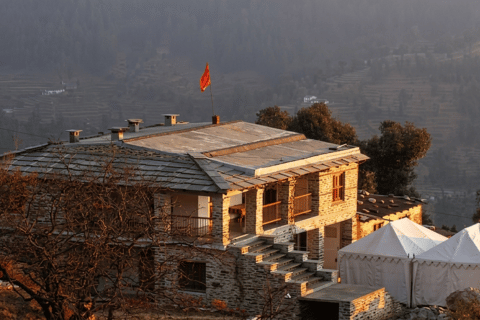
Dunagiri Tour Packages | Sacred Shakti Temple in Kumaon
What is Dunagiri and why is it a significant pilgrimage site?
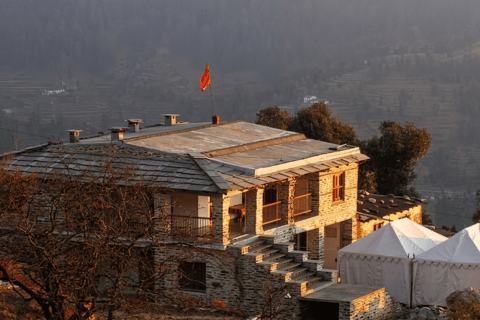
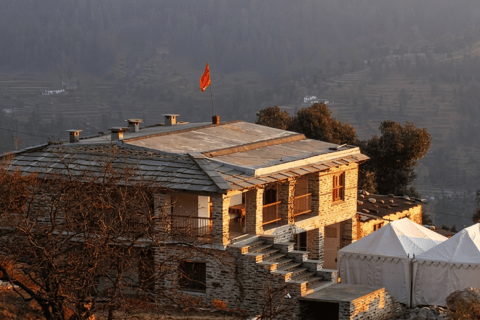
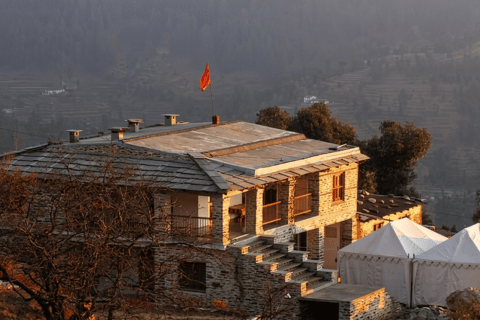
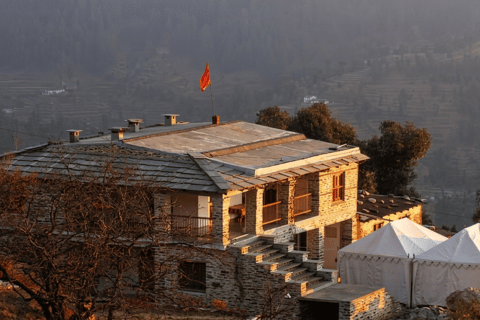
Dunagiri is one of the most revered spiritual destinations in Kumaon, centred around the sacred Dunagiri Temple, a hilltop shrine dedicated to Goddess Vaishnavi Devi. Located near Dwarahat in the Almora district of Uttarakhand, the temple stands at an altitude of approximately 2,200 metres above sea level, surrounded by dense forests, mountain ridges, and a landscape deeply associated with ancient Hindu spirituality.
The temple is traditionally regarded as one of the sacred Shaktipeeths and finds mention in revered scriptures such as the Skanda Purana and the Devi Bhagavata Purana. For centuries, devotees have travelled here to seek the blessings of the Divine Mother, believing the site to be charged with powerful spiritual energy.
Beyond its importance within the Shakti tradition, Dunagiri also occupies a special place in the lineage of Himalayan yoga and meditation. According to the Babaji tradition, the forests and mountains surrounding Dunagiri were among the places where Mahavatar Babaji performed intense tapasya (spiritual austerities).
The region is closely connected to the famous Mahavatar Babaji Cave, where Babaji is believed to have initiated Lahiri Mahasaya into Kriya Yoga in 1861 — an event that profoundly influenced modern yogic traditions around the world.
Today, Dunagiri attracts a diverse range of visitors, including Shakti devotees, Kriya Yoga practitioners, meditation seekers, Himalayan pilgrims, and travellers exploring the broader spiritual heritage of Kumaon.
🕉 Spiritual Significance
Dunagiri uniquely combines two major spiritual traditions — the worship of the Divine Mother through the ancient Shakti tradition and the yogic legacy of Mahavatar Babaji. Few pilgrimage destinations in the Himalayas hold such importance for both devotees and spiritual practitioners.
Quick Summary – Dunagiri Temple Tour
| Detail |
Information |
| Location |
Dwarahat, Almora District, Uttarakhand |
| Altitude |
Approx. 2,200 metres above sea level |
| Temple Deity |
Goddess Vaishnavi Devi (Dunagiri Devi) |
| Best Time to Visit |
March–June and September–November |
| Nearest Railhead |
Kathgodam Railway Station (Approx. 100 km) |
| Nearest Airport |
Pantnagar Airport (Approx. 115 km) |
| Ideal Duration |
2 Nights / 3 Days minimum |
| Difficulty |
Easy to Moderate — approximately 200+ stone steps to reach the temple |
| Who It's For |
Shakti pilgrims, Babaji tradition seekers, meditation practitioners, Kumaon explorers |
| Why SnazzyTrips |
21+ years on ground, 150+ travel partners, 4.7/5 guest rating, deep expertise in Kumaon spiritual circuits |
📍 Ideal Spiritual Combination
Many travellers combine Dunagiri Temple with Mahavatar Babaji Cave, Haidakhan Ashram, Kainchi Dham, and Jageshwar Dham to create a complete Kumaon pilgrimage experience.
The stone steps begin in the forest. Oak and rhododendron trees line the path, the mountain air cool and crisp as the valley drops away below. After climbing more than two hundred stone steps, you emerge into the temple courtyard — and suddenly the Himalayas reveal themselves. On clear days, peaks such as Trishul and Nanda Devi dominate the horizon, creating one of the most inspiring temple settings in Kumaon.
This is Dunagiri. Not a destination found on mainstream tourist itineraries. Not a temple surrounded by commercial markets or crowds. What visitors find instead is something increasingly rare — an atmosphere of ancient devotion, mountain silence, and spiritual continuity that has drawn pilgrims, saints, yogis, and seekers for centuries.
The Sacred Temple of Dunagiri Devi
Perched on a forested ridge above the historic town of Dwarahat in Almora district, the Dunagiri Temple is dedicated to Goddess Vaishnavi Devi, a revered form of Goddess Durga. The shrine is traditionally counted among India's sacred Shaktipeeths — places where parts of Goddess Sati are believed to have fallen, making them among the most important centres of Shakti worship in Hindu tradition.
Local temple traditions trace the origins of the shrine back thousands of years, and references to the region appear in ancient scriptures including the Skanda Purana and the Devi Bhagavata Purana. Even today, devotees arrive from across India seeking blessings, spiritual strength, and the grace of the Divine Mother.
📍 Spiritual Significance
Dunagiri is one of the rare Himalayan pilgrimage destinations where the ancient Shakti tradition and the yogic lineage of Mahavatar Babaji intersect, making it deeply meaningful for both devotees and spiritual practitioners.
Dunagiri and the Legacy of Mahavatar Babaji
The importance of Dunagiri extends far beyond the temple itself. The forests, caves, and mountain slopes surrounding the shrine are intimately connected with the tradition of Mahavatar Babaji, the immortal yogi revered within the Kriya Yoga lineage.
According to yogic tradition, Babaji performed intense spiritual practices in the forests around Dunagiri for centuries. The nearby Mahavatar Babaji Cave, located just a short distance from Dwarahat, is believed to be the sacred place where Babaji initiated Lahiri Mahasaya into Kriya Yoga in 1861 — an event that later inspired millions through Paramahansa Yogananda's Autobiography of a Yogi.
Because of this connection, many pilgrims visit both Dunagiri Temple and Babaji Cave during the same journey, combining the devotional energy of the Divine Mother with the contemplative atmosphere of the yogic tradition..
Experiencing Dunagiri Properly
Reaching Dunagiri is relatively straightforward. Experiencing it properly is something else entirely.
The mountain roads around Dwarahat require local driving knowledge, temple timings vary during festival periods, and many visitors are unaware of the nearby sacred sites that complete the pilgrimage experience. Travellers who spend time exploring the forests, temple surroundings, and Babaji-related locations often discover a depth that day visitors miss entirely.
For more than two decades, SnazzyTrips, a trusted DMC in Uttarakhand since 2003, has been guiding pilgrims through Dunagiri and the wider Kumaon spiritual circuit. Our local teams help travellers combine Dunagiri with destinations such as Mahavatar Babaji Cave, Haidakhan Ashram, Kainchi Dham, and Jageshwar Dham for a complete Kumaon pilgrimage experience.
Dunagiri Devi Temple — The Site and Its Significance
Perched on a forested Himalayan ridge above Dwarahat, Dunagiri Devi Temple is one of the most important spiritual destinations in Kumaon. Revered both as an ancient Shaktipeeth and as a centre of the Mahavatar Babaji tradition, the temple attracts devotees, yogis, and spiritual seekers from across India and around the world.
The Temple
The main shrine at Dunagiri is a compact stone temple dedicated to Dunagiri Devi, a powerful manifestation of Goddess Vaishnavi Devi. Unlike many large pilgrimage centres, the temple retains an intimate atmosphere. The architecture is simple, ancient, and reflective of Kumaon's early temple-building traditions, allowing devotion to remain the central focus.
Inside the sanctum, devotees experience a sense of closeness rarely found at larger shrines. The sacred space is quiet, personal, and deeply spiritual, encouraging prayer and contemplation rather than spectacle.
The temple complex also includes smaller shrines dedicated to Lord Shiva, Bhairav, and the Navagrahas. A sacred kund (water tank) lies adjacent to the main temple and forms part of the traditional pilgrimage ritual. The priestly families serving Dunagiri have maintained uninterrupted worship here for generations, preserving centuries-old traditions and practices.
🙏 Temple Atmosphere
Unlike highly commercialized pilgrimage centres, Dunagiri retains a traditional Himalayan temple character. The surrounding forests, mountain air, and uninterrupted continuity of worship create an environment that feels timeless and deeply sacred.
Shaktipeeth Significance
Dunagiri holds a special place within the sacred geography of Hinduism as one of the revered 52 Shaktipeeths. According to tradition, these holy sites were created when parts of Goddess Sati's body fell across the Indian subcontinent after Lord Vishnu used the Sudarshana Chakra to divide her form.
At Dunagiri, it is believed that the right hand of Goddess Sati fell, making the temple one of the most spiritually significant centres of Shakti worship in northern India.
For devotees undertaking the full Shaktipeeth pilgrimage circuit, Dunagiri is considered an essential stop. Within Kumaon itself, visiting the temple before major life events — including marriages, childbirth, new ventures, and important family milestones — remains a living tradition passed down through generations.
📍 Quick Fact
Dunagiri Temple is traditionally regarded as one of India's 52 Shaktipeeths, where the right hand of Goddess Sati is believed to have fallen, giving the shrine immense spiritual significance within the Shakti tradition.
The Mahavatar Babaji Connection
The importance of Dunagiri extends beyond its role as a Shakti shrine. The forests, ridges, and secluded valleys surrounding the temple are deeply intertwined with the spiritual legacy of Mahavatar Babaji, the immortal yogi of the Kriya Yoga tradition.
According to yogic tradition, Babaji spent extended periods in meditation and tapasya within these Himalayan forests. The quiet, elevated environment of Dunagiri closely matches descriptions found in Kriya Yoga literature and the accounts of spiritual seekers who have visited the region for generations.
Just 14 km from the temple lies the revered Mahavatar Babaji Cave, where Babaji is believed to have initiated Lahiri Mahasaya into Kriya Yoga in 1861. This event became one of the defining moments in modern yogic history and later inspired millions through the teachings of Paramahansa Yogananda.
For followers of Kriya Yoga, the Self-Realization Fellowship tradition, and Babaji devotees worldwide, Dunagiri Temple and Babaji Cave are often viewed as a single sacred pilgrimage experience. Most spiritual travellers visit both locations during the same journey to fully appreciate the devotional and yogic dimensions of the region.
🕉 Recommended Pilgrimage Circuit
Dunagiri Temple → Mahavatar Babaji Cave → Dwarahat Ancient Temples
This combination offers a rare opportunity to experience the sacred traditions of Shakti worship, Himalayan yoga, and Kumaon's ancient temple heritage within a single pilgrimage.
Getting to Dunagiri
Perched high above the historic town of Dwarahat in Almora district, Dunagiri Temple is accessible from several major destinations across Kumaon. While reaching the region is relatively straightforward, the mountain roads and final temple ascent require thoughtful planning to ensure a comfortable pilgrimage experience.
Distance from Major Cities & Destinations
| From |
Distance |
Approximate Drive Time |
| Haldwani / Kathgodam |
100 km |
3–3.5 hours |
| Almora |
55 km |
2 hours |
| Ranikhet |
45 km |
1.5 hours |
| Nainital |
85 km |
3 hours |
| Pantnagar Airport |
115 km |
3.5 hours |
| Delhi |
380 km |
8–9 hours |
| Kausani |
60 km |
2 hours |
| Mahavatar Babaji Cave |
14 km |
30 minutes |
By Rail
Kathgodam Railway Station is the nearest major railhead, located approximately 100 km from Dunagiri. Direct overnight trains connect Kathgodam with Delhi, Lucknow, Kolkata, and several other major Indian cities.
From Kathgodam, a private taxi is the most comfortable and dependable option. The route passes through scenic Kumaon hill roads before reaching Dwarahat and the Dunagiri temple area.
By Air
Pantnagar Airport, approximately 115 km away, provides regular flight connectivity with Delhi. The onward drive passes through Haldwani and the Kumaon hills before reaching Dwarahat in around 3.5 hours.
Advance vehicle booking is recommended, particularly during festival periods and peak pilgrimage seasons when transportation demand is high.
By Road
Travellers driving from Delhi generally follow the route:
Delhi → Moradabad → Rampur → Rudrapur → Haldwani → Almora / Ranikhet → Dwarahat → Dunagiri
Road conditions are generally good until the Almora and Ranikhet region. Beyond this point, roads become narrower and more winding as they traverse the Kumaon hills. Visitors are strongly advised to travel with experienced mountain drivers familiar with local road conditions.
Large vehicles such as buses and tempo travellers are not ideal for the final hill sections. SUVs and mid-sized vehicles offer the most comfortable experience.
🧭 Traveller Tip
The final approach to Dunagiri Temple includes a climb of more than 200 stone steps through a beautiful forested pathway. Begin the ascent before 8:00 AM whenever possible. Morning temperatures are cooler, the air is exceptionally fresh, and clear skies offer the best opportunity to enjoy panoramic Himalayan views from the temple courtyard.
📍 Most Popular Route
Many pilgrims visit Dunagiri Temple and Mahavatar Babaji Cave on the same day. With only 14 km separating the two sacred sites, this combination remains one of the most meaningful spiritual experiences in Kumaon and is highly recommended for first-time visitors.
Best Time to Visit Dunagiri Temple
Dunagiri can be visited throughout most of the year, but weather conditions, Himalayan visibility, pilgrimage activity, and road accessibility vary significantly by season. The most rewarding periods are generally March to June and September to November, when the skies are clear and travel conditions are at their best.
For devotees seeking a spiritually vibrant atmosphere, the Navratri festivals are particularly significant. For meditation seekers and solo travellers, the quieter winter months offer a more contemplative experience.
| Month |
Weather |
Suitability |
Notes |
| January |
Cold (0–10°C) |
Moderate |
Possible light snowfall; peaceful atmosphere; carry heavy woollens. |
| February |
Cold and crisp |
Moderate |
Early rhododendron blooms begin to appear on surrounding hillsides. |
| March |
Pleasant (8–20°C) |
Excellent |
Spring flowers, excellent mountain visibility, and relatively thin crowds. |
| April |
Warm (12–25°C) |
Excellent |
Peak pilgrimage season begins; reserve accommodation early. |
| May |
Warm (15–28°C) |
Excellent |
Among the best months for Himalayan views; popular with pilgrims. |
| June |
Pre-monsoon (18–30°C) |
Good |
Travel remains comfortable; monitor weather during the latter half of the month. |
| July |
Heavy rainfall |
Avoid |
Road conditions can deteriorate; landslide risk increases. |
| August |
Heavy rainfall |
Avoid |
Monsoon-related travel disruptions are common. |
| September |
Monsoon receding |
Moderate |
Second half of the month usually offers pleasant travel conditions. |
| October |
Cool and clear (10–22°C) |
Excellent |
Often considered the best month; Navratri celebrations create a powerful devotional atmosphere. |
| November |
Cool (6–18°C) |
Excellent |
Crystal-clear Himalayan views and relatively light crowds. |
| December |
Cold (2–12°C) |
Good |
Ideal for quiet retreats, meditation, and solo pilgrimages. |
🌤 Recommended Travel Window
For the best overall experience, plan your visit between March–May or October–November. These months offer comfortable weather, excellent Himalayan visibility, accessible roads, and ideal conditions for both pilgrimage and sightseeing.
🕉 Navratri at Dunagiri
The two annual Navratri periods — March–April and October — attract the highest number of devotees. During these festivals, the temple becomes a vibrant centre of worship, special rituals, and devotional celebrations. Accommodation in Dwarahat and nearby areas should be booked several weeks in advance.
⚠️ Monsoon Advisory
July and August are generally not recommended due to heavy rainfall and increased landslide risk on mountain roads throughout Almora district. Travellers planning spiritual retreats or pilgrimage circuits should consider postponing their visit until after the monsoon season.
Dunagiri Tour Package Options & Costs
SnazzyTrips offers carefully curated Dunagiri pilgrimage packages ranging from short temple visits to extended spiritual journeys across Kumaon. Whether you are visiting for Shakti worship, exploring the Mahavatar Babaji tradition, or seeking a deeper Himalayan retreat, our itineraries can be customized to suit your schedule and interests.
| Package Type |
Duration |
Price Per Person |
Inclusions |
| Temple Pilgrimage |
2 Nights / 3 Days |
Rs. 6,999 – Rs. 11,999 |
Accommodation in Dwarahat or Ranikhet, private cab from Kathgodam, Dunagiri Temple darshan, and Mahavatar Babaji Cave visit. |
| Kumaon Yogic Circuit |
4 Nights / 5 Days |
Rs. 13,000 – Rs. 21,000 |
Dunagiri Temple, Babaji Cave, Kausani, Almora, deluxe accommodation, private transportation, and meals. |
| Full Shakti Pilgrimage |
6 Nights / 7 Days |
Rs. 24,000 – Rs. 38,000 |
Dunagiri Temple, Jageshwar Dham, Kainchi Dham, Patal Bhuvaneshwar, premium accommodation, private cab, and all meals. |
💰 Pricing Information
All prices are indicative and calculated on a double-sharing basis. Final costs may vary depending on travel dates, hotel category, group size, transportation preferences, and festival-season demand.
🕉 Most Popular Package
The Kumaon Yogic Circuit (4 Nights / 5 Days) is our most requested itinerary. It combines the spiritual power of Dunagiri Temple and Mahavatar Babaji Cave with the scenic beauty of Kausani and Almora, creating a balanced pilgrimage and Himalayan exploration experience.
✨ Ideal for Shakti Devotees
The Full Shakti Pilgrimage is designed for travellers wishing to explore Kumaon's most important sacred sites. By combining Dunagiri, Jageshwar, Kainchi Dham, and Patal Bhuvaneshwar, the journey covers some of the region's most revered temples, spiritual centres, and pilgrimage destinations.
👨👩👧👦 Custom Tours Available
Special pricing and customized itineraries are available for solo travellers, families, pilgrimage groups, yoga practitioners, meditation retreats, and international visitors. Additional destinations such as Haidakhan Ashram, Ranikhet, and Nainital can easily be incorporated into a personalized itinerary.
SnazzyTrips Insights
After more than two decades of designing pilgrimage journeys across Uttarakhand, one conclusion stands out clearly: Dunagiri is the most underrated spiritual destination in our entire Kumaon portfolio.
Thousands of pilgrims visit Kainchi Dham every year. Many continue onward to Jageshwar Dham before returning home. Yet surprisingly few make the short journey to Dunagiri — not because it lacks spiritual importance, but simply because most visitors are never told how significant it truly is.
That is why our team includes Dunagiri in almost every serious Kumaon spiritual itinerary we design. For devotees, yogic practitioners, and seekers looking beyond mainstream pilgrimage routes, Dunagiri often becomes the most memorable destination of the entire journey.
The Dunagiri–Babaji Cave Connection
The most important detail many visitors overlook is that Dunagiri Temple and Mahavatar Babaji Cave are only 14 km apart. In practical terms, they should never be treated as separate destinations.
The two sites complement each other perfectly:
- Dunagiri Temple represents the living Shakti tradition, with centuries of uninterrupted worship dedicated to Goddess Vaishnavi Devi.
- Mahavatar Babaji Cave preserves the yogic legacy of Babaji and the transmission of Kriya Yoga to Lahiri Mahasaya.
One provides the devotional heart of the pilgrimage. The other provides the yogic history. Together they create a spiritual experience far deeper than either destination can offer alone.
🕉 Our Recommendation
Spend a full day exploring both Dunagiri Temple and Mahavatar Babaji Cave. The short distance between them allows travellers to experience two of Kumaon's most important spiritual traditions within a single journey.
The Himalayan View Most Visitors Miss
There is one detail that rarely appears in guidebooks and is often overlooked even by local operators.
Arrive at Dunagiri Temple before sunrise and climb the temple steps early. Around 6:30 AM, before daytime haze and cloud build-up begin over the higher peaks, the temple courtyard offers one of the most remarkable Himalayan panoramas in Kumaon.
The great summits of Trishul, Nanda Devi, and the surrounding central Himalayan range stand illuminated by the first light of the day. Unlike conventional viewpoints, this experience unfolds within the sacred atmosphere of an ancient temple — accompanied by temple bells, incense, morning chants, and the quiet energy of pilgrims gathering for darshan.
It is a combination of natural beauty and spiritual atmosphere that is exceptionally difficult to find elsewhere in the Himalayas.
🌄 Local Secret
For the clearest Himalayan views, plan your temple visit between 6:00 AM and 7:00 AM. Morning visibility is often dramatically better than later in the day, especially during spring and autumn.
Why We Recommend an Overnight Stay
Many travellers attempt to visit Dunagiri as a quick stop while travelling between destinations. While this is possible, it misses much of what makes the site special.
An overnight stay in Dwarahat or Ranikhet allows time to experience the temple without rushing, explore the surrounding forests, visit Babaji Cave properly, and enjoy the mountain atmosphere that has drawn saints and seekers here for generations.
The difference between a rushed visit and a thoughtfully planned pilgrimage is profound — and nowhere is that more evident than at Dunagiri.
✨ SnazzyTrips Preferred Circuit
Dunagiri Temple → Mahavatar Babaji Cave → Dwarahat Ancient Temples → Kainchi Dham → Jageshwar Dham
This route combines Shakti worship, Kriya Yoga heritage, Himalayan spirituality, and Kumaon's ancient temple tradition into one of the most complete pilgrimage journeys available in Uttarakhand.
Popular Itinerary Combinations
Dunagiri occupies a unique position within Kumaon's spiritual landscape. Located at the heart of the Dwarahat region, it connects naturally with some of the Himalayas' most important pilgrimage destinations, making it an ideal base for both short spiritual retreats and extended sacred journeys.
These are the combinations most frequently chosen by devotees, yoga practitioners, and pilgrims exploring the deeper spiritual traditions of Uttarakhand.
Combination 1 — Dunagiri + Mahavatar Babaji Cave
Duration: 2 Nights / 3 Days
This is the most natural and spiritually complete pairing in the Dwarahat region. Located just 14 km apart, Dunagiri Temple and Mahavatar Babaji Cave are closely connected through the Babaji tradition and the sacred forests surrounding Dwarahat.
The journey typically begins with an early morning darshan at Dunagiri Temple, where pilgrims experience the blessings of Goddess Vaishnavi Devi along with spectacular Himalayan views. The pilgrimage then continues to Babaji Cave, where visitors meditate at one of the most important locations in the Kriya Yoga tradition.
For devotees of Babaji, Lahiri Mahasaya, and Kriya Yoga, this remains the minimum recommended itinerary and our most requested pilgrimage in the Dwarahat area.
Combination 2 — Dunagiri + Jageshwar + Kainchi Dham
Duration: 4 Nights / 5 Days
This itinerary brings together three of Kumaon's most spiritually distinct destinations in a single journey.
Beginning at Dunagiri and Babaji Cave, the route continues to Jageshwar Dham, home to one of India's most important collections of ancient Shiva temples nestled within a sacred deodar forest.
The pilgrimage concludes at Kainchi Dham, the globally renowned ashram of Neem Karoli Baba near Bhowali.
Together, these destinations represent three powerful spiritual streams:
- Dunagiri – Shakti worship and Divine Mother tradition.
- Jageshwar – Ancient Shaivite heritage.
- Kainchi Dham – Bhakti, service, and modern saint tradition.
Combination 3 — Full Kumaon Pilgrimage Circuit
Duration: 7–9 Days
For serious pilgrims seeking a complete spiritual immersion in Kumaon, this remains our most comprehensive and transformative itinerary:
Kainchi Dham → Dunagiri Temple → Mahavatar Babaji Cave → Jageshwar Dham → Patal Bhuvaneshwar
Each destination contributes a distinct spiritual dimension:
- Kainchi Dham – Devotion, service, and grace.
- Dunagiri – Shakti power and Himalayan worship.
- Babaji Cave – Yogic tradition and meditation.
- Jageshwar – Ancient Shaivism and sacred architecture.
- Patal Bhuvaneshwar – Cave pilgrimage and sacred mythology.
This itinerary is widely regarded by our senior guides as the definitive Kumaon spiritual journey, offering an exceptional blend of devotion, yoga, mythology, and Himalayan culture.
Extend Beyond Kumaon
Travellers wishing to expand their pilgrimage beyond Kumaon can seamlessly connect these journeys with some of Uttarakhand's most celebrated spiritual routes, including:
These extended journeys connect the sacred traditions of Kumaon with the larger pilgrimage landscape of Uttarakhand, creating a truly comprehensive Himalayan spiritual experience.
📍 Quick Fact
Mahavatar Babaji is believed to have initiated Lahiri Mahasaya into Kriya Yoga in 1861 in the forests near Dwarahat, just 14 km from Dunagiri Temple. This event forms the foundation of the modern Kriya Yoga tradition practiced by seekers around the world today.
Nearby Attractions Worth Adding
Dunagiri's location in the Dwarahat region places it at the heart of one of Kumaon's richest spiritual and cultural landscapes. Within a short drive, travellers can explore ancient temples, sacred caves, Himalayan viewpoints, historic hill towns, and some of Uttarakhand's most important pilgrimage destinations.
These nearby attractions are frequently combined with Dunagiri as part of a broader Kumaon spiritual circuit.
Mahavatar Babaji Cave, Dwarahat
Located just 14 km from Dunagiri, the Mahavatar Babaji Cave is one of the most important yogic pilgrimage destinations in India.
According to Kriya Yoga tradition, this is the sacred location where Mahavatar Babaji initiated Lahiri Mahasaya into Kriya Yoga in 1861. For spiritual seekers, Dunagiri Temple and Babaji Cave are considered complementary sites and are best experienced together.
Dwarahat Town
The historic town of Dwarahat serves as the gateway to Dunagiri and is home to a remarkable collection of ancient temples built during the Katyuri dynasty between the 10th and 12th centuries.
Despite their historical importance and architectural beauty, these temples remain relatively uncrowded, making Dwarahat one of Kumaon's hidden cultural treasures.
Ranikhet
Approximately 45 km away, Ranikhet offers a peaceful contrast to the pilgrimage experience.
Known for its pine forests, colonial-era charm, golf course, military heritage, and Himalayan viewpoints, Ranikhet makes an excellent overnight stop before or after visiting Dunagiri.
Kausani
Located about 60 km from Dunagiri, Kausani is famous for its breathtaking Himalayan panoramas and peaceful mountain atmosphere.
Mahatma Gandhi spent time here and described the surrounding views as comparable to Switzerland. The town remains particularly popular for sunrise views over Nanda Devi, Trishul, and the central Himalayan range.
Visitors interested in spirituality often include the Anashakti Ashram, where Gandhi worked on his commentary known as Anashakti Yoga.
Jageshwar Dham
Situated approximately 55 km from Dunagiri, Jageshwar Dham is among the most important Shiva pilgrimage destinations in the Himalayas.
The temple complex consists of more than 100 ancient stone shrines surrounded by a sacred deodar forest. The spiritual atmosphere, historical significance, and exceptional architecture make it one of the finest additions to any Dunagiri itinerary.
Almora
Located around 55 km away, Almora is often referred to as the cultural capital of Kumaon.
The town is known for its historic bazaars, traditional Kumaoni culture, mountain viewpoints, and spiritual landmarks such as Kasar Devi Temple and Bright End Corner. Almora also serves as an important hub for travellers exploring eastern Kumaon.
📍 Most Recommended Combination
Dunagiri Temple + Mahavatar Babaji Cave + Dwarahat Ancient Temples
This combination can comfortably be explored in a single day and provides a unique blend of Shakti worship, yogic heritage, and medieval Himalayan temple architecture.
✨ Extended Spiritual Circuit
For a deeper pilgrimage experience, combine Dunagiri → Babaji Cave → Jageshwar Dham → Kainchi Dham → Patal Bhuvaneshwar. This route covers the most important spiritual destinations across Kumaon and remains one of the most rewarding journeys in Uttarakhand.
Frequently Asked Questions
Q: What is Dunagiri famous for?
A: Dunagiri is renowned for two major spiritual traditions. First, it is home to the sacred Dunagiri Devi Temple, dedicated to Goddess Vaishnavi Devi and traditionally regarded as one of India's revered Shaktipeeths. Second, the forests surrounding Dunagiri are deeply associated with Mahavatar Babaji, who is believed to have performed intense spiritual practices in the region before initiating Lahiri Mahasaya into Kriya Yoga. Together, these traditions make Dunagiri one of Kumaon's most important pilgrimage destinations.
Q: How far is Dunagiri from the Mahavatar Babaji Cave?
A: The Mahavatar Babaji Cave is located approximately 14 km from Dunagiri Temple, with a driving time of around 30 minutes. Most pilgrims visit both locations on the same day, combining the devotional atmosphere of Dunagiri with the yogic significance of Babaji Cave.
Q: How many steps are there at Dunagiri Temple?
A: Visitors reach the temple by climbing approximately 200–250 stone steps through a forested pathway. The ascent generally takes between 20 and 30 minutes at a comfortable pace. The steps are well-maintained and manageable for most visitors, though extra care should be taken after rainfall.
Q: What is the best time to visit Dunagiri?
A: The ideal months are March–June and September–November. Navratri in March–April and October is especially significant for devotees. May often provides the best combination of pleasant weather and clear Himalayan views. July and August are generally avoided because of monsoon-related road conditions.
Q: Is Dunagiri suitable for senior citizens?
A: Yes, many senior pilgrims successfully visit Dunagiri each year. The temple climb requires moderate mobility, but the stone steps are broad and well-defined. Visitors are encouraged to climb slowly, take breaks when needed, and wear comfortable footwear. Those requiring additional assistance should make arrangements in advance.
Q: How do I reach Dunagiri from Delhi?
A: Dunagiri is approximately 380 km from Delhi, requiring around 8–9 hours by road via Moradabad, Rampur, Rudrapur, Haldwani, and Dwarahat. The nearest railway station is Kathgodam (100 km), while Pantnagar Airport (115 km) is the closest airport. Most travellers arrange onward transport from these gateways as part of a Kumaon pilgrimage itinerary.
Q: Can Dunagiri be combined with the Char Dham Yatra?
A: Yes. Many travellers combine the Kumaon spiritual circuit — including Dunagiri, Mahavatar Babaji Cave, Jageshwar Dham, and Kainchi Dham — with the Char Dham Yatra in Garhwal. For a comfortable experience, a minimum of 12–14 days is recommended for this extended Uttarakhand pilgrimage journey.
Plan Your Dunagiri Pilgrimage with Local Experts
SnazzyTrips is a Haldwani-based Destination Management Company (DMC) operating across Uttarakhand since 2003, with a trusted network of 150+ ground partners and operational coverage spanning 100+ destinations throughout the state.
Our team specializes in Kumaon spiritual circuits, Shakti pilgrimages, Babaji-tradition journeys, temple tours, and customized Uttarakhand pilgrimage itineraries. Whether you are planning a focused visit to Dunagiri Temple or a comprehensive spiritual route covering multiple sacred destinations, we provide end-to-end travel planning, accommodation, transportation, and on-ground assistance.
Popular Spiritual Circuits:
Dunagiri Temple • Mahavatar Babaji Cave • Kainchi Dham • Jageshwar Dham • Patal Bhuvaneshwar • Haidakhan Ashram • Adi Kailash • Char Dham Yatra
For Dunagiri tour packages, Kumaon pilgrimage circuits, and customized Uttarakhand spiritual journeys, visit:
Explore Packages at SnazzyTrips.in