Darkot Village Munsiyari: Travel Guide & Things to Do
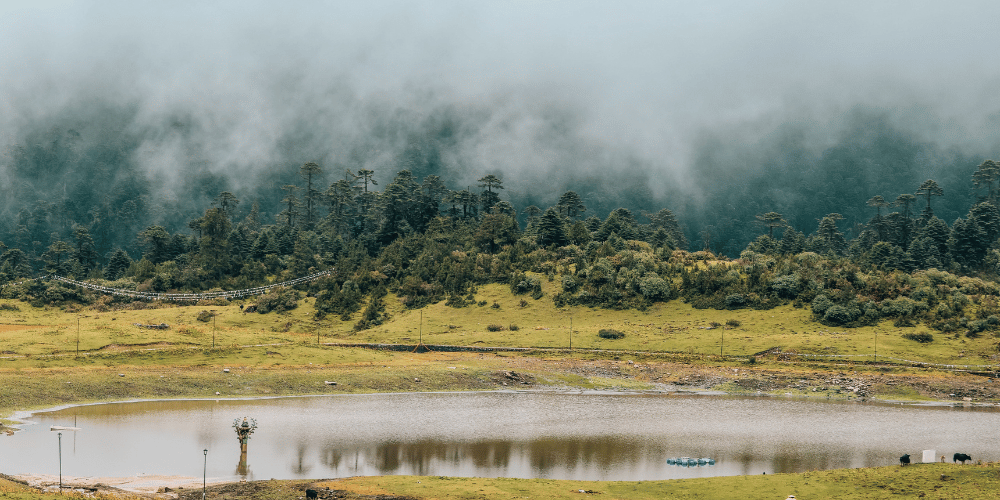
Most people pass through Munsiyari for the mountains. The ones who walk down to Darkot usually come back with something they didn’t plan for: a handwoven shawl, a cup of tea on a weaver’s veranda, and a slower idea of what this valley is about.
Darkot is a small village just below Munsiyari town, on the slope that drops towards the Gori Ganga. It’s known across Kumaon for its weaving: woollen shawls, the thick wraps called pankhis, blankets and carpets made on wooden looms in people’s homes. Behind it all, on a clear day, the Panchachuli peaks fill the sky.
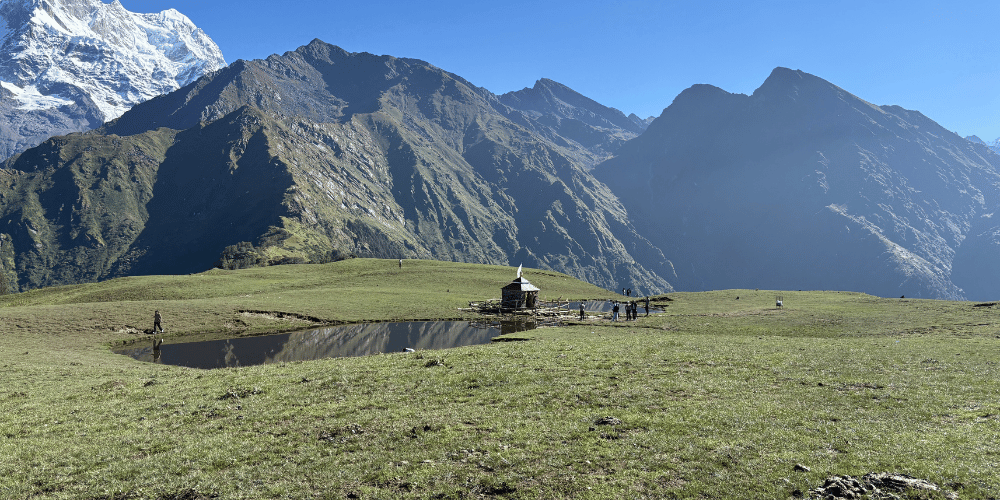
This guide covers:
- what Darkot is and why it matters
- what to do there, including how to buy woollens well
- a walking plan that links Darkot with Sarmoli and the museum
- homestay and food tips
- itineraries from Haldwani and Kathgodam, plus current road status
Quick Answer
What is Darkot village known for? Darkot is a weaving village about 3–4 km below Munsiyari, known for handwoven woollen shawls, pankhis (thick wraps), thulmas (blankets) and carpets made on home looms. It also has clear Panchachuli views.
Things to do:
- watch weavers at work
- buy woollens directly from the families who make them
- walk the village lanes with Panchachuli behind the rooftops
- eat a home-cooked Kumaoni meal
- combine the visit with Sarmoli and the Tribal Heritage Museum
Time needed: a relaxed half-day, or a full day with a homestay night.
Best months: October–November and March–May.
Darkot at a Glance
| Detail | Information |
|---|---|
| Location | Just below Munsiyari town, Pithoragarh district, Kumaon |
| Distance from Munsiyari market | About 3–4 km |
| By car | About 10–15 minutes |
| On foot | About 45 minutes downhill; longer coming back up |
| Known for | Home-loom weaving: shawls, pankhis, thulmas, carpets |
| Also known for | Panchachuli views, stone-and-slate houses, village walks |
| Good to combine with | Sarmoli village, the Tribal Heritage Museum, Nanda Devi Temple |
| Stay options | Village homestays nearby, or hotels in Munsiyari town |
| Best for | Slow travellers, shoppers, photographers, families, solo travellers |
Why Darkot Is Worth Your Time
Munsiyari sits on the old Johar valley trade route, which once carried wool, salt and goods between Kumaon and Tibet. The communities here, including the Shauka (Bhotiya) people, built a strong weaving tradition around that trade. Darkot is one of the places where that craft is still very much alive.
You won’t find a showroom strip or a crafted tourist “village experience” here. You’ll find working homes, looms on verandas, wool drying on walls, and people who are happy to show you what they make. That’s exactly what makes it worth the walk.
Things to Do in Darkot
1. Watch the weavers at work
Many Darkot households have a wooden loom at home. On most days you’ll see someone weaving on a veranda or in a front room, especially in the cooler months when farm work slows down.
Ask politely before stepping in or taking photos. Most weavers are happy to explain how a shawl comes together and how long a piece takes, which is often days of work for a single large item.
2. Buy woollens directly from the makers
This is the main reason most people visit. Common items include:
| Item | What it is | Good for |
|---|---|---|
| Shawls | Fine woollen shawls in plain weaves and traditional patterns | Everyday wear, gifts |
| Pankhi | A thick, heavy woollen wrap, worn like a blanket shawl | Cold evenings, winter |
| Thulma | A dense woollen blanket | Home use, very warm |
| Carpets and rugs (dan) | Hand-knotted or woven rugs with local motifs | Home décor |
| Caps, mufflers, socks | Smaller knitted pieces | Quick gifts |
There’s a buying guide further down.
3. Walk the village lanes
Darkot’s lanes wind between old stone houses with slate roofs and carved wooden doors. Terraced fields drop away below, and the Panchachuli range rises above everything on clear days. It’s one of the best spots near Munsiyari to photograph the peaks with a real village in the foreground.
Early morning is lovely, when smoke rises from kitchens and the light is soft.
4. Eat a home-cooked Kumaoni meal
If you’re staying in a nearby homestay or have arranged a meal through one, you’ll likely get simple, hearty mountain food. Dishes often include:
- Munsiyari rajma, the small local kidney beans this area is known for
- mandua (finger millet) roti
- bhatt ki churkani (a black soybean curry)
- aloo ke gutke
- seasonal greens
It’s the most authentic meal you’ll have in the area.
5. Combine Darkot with Sarmoli and the museum
Darkot sits close to Sarmoli village, known for its community-run homestays, and to the Tribal Heritage Museum in Nanasem, which documents Shauka life and the old Tibet trade. Seeing the museum first makes Darkot’s weaving make much more sense. Our list of 15 best things to do in Munsiyari covers both in detail.
6. Sit, slow down and watch the peaks
There’s nothing to “complete” in Darkot. Find a low wall, watch the light change on Panchachuli, and talk to whoever walks by. For a lot of travellers, that hour turns out to be the best part of the Munsiyari trip.
Buying Woollens in Darkot: A Practical Guide
How to spot genuine handloom work:
- Edges are slightly uneven, not machine-perfect.
- Small variations in pattern and tension are normal and a good sign.
- Weight: handwoven pankhis and thulmas are noticeably heavy.
- Ask to see the loom. Genuine weavers are happy to show you.
Be careful with:
- any piece sold as “pure pashmina” at a low price; check the feel and ask what wool was used
- very soft, very cheap shawls that look identical to each other, which can be machine-made
Paying:
- Carry cash. ATMs in Munsiyari are limited, and there are none in the village. Withdraw in Haldwani, Almora or Bageshwar on the way.
- Prices are usually fair and reflect days of work. Light bargaining is fine, but don’t push hard.
- Some weavers may accept UPI. Mobile signal can be patchy, so don’t rely on it.
Carrying it home: pankhis and thulmas are bulky. Leave space in your bag, or ask your hotel to help pack them.
A Half-Day Darkot Walking Plan
This is the loop we suggest for most travellers on their free Munsiyari day.
| Time | Plan |
|---|---|
| 6:30 AM | Panchachuli sunrise from your hotel room or terrace |
| 8:30 AM | Breakfast |
| 9:30 AM | Visit the Tribal Heritage Museum in Nanasem (30–45 minutes) |
| 10:30 AM | Walk or drive down to Sarmoli; short stroll through the village |
| 11:30 AM | Continue to Darkot; meet weavers, look at the looms, shop |
| 1:00 PM | Home-cooked lunch at a homestay, if pre-arranged |
| 2:30 PM | Drive back up to Munsiyari (the uphill walk back is tiring) |
| Evening | Sunset over Panchachuli from the Nanda Devi Temple ridge |
Tip: walking down is pleasant, but the climb back up is steep. We usually have the vehicle meet travellers in Darkot for the return.
Where to Stay
Village homestays (Sarmoli and Darkot area):
- What you get: simple rooms, shared family meals and a real sense of village life.
- Best for: solo travellers, couples and curious families.
- Book ahead: homestays here are small, so confirm in advance, especially in October.
Travelling alone? Our Munsiyari solo trip package can include a homestay night near Darkot. For similar rural stays elsewhere in the state, see our Uttarakhand farm stay packages.
Hotels in Munsiyari town:
- What you get: more comfort, and Panchachuli-facing rooms on the upper ridge.
- Getting to Darkot: an easy 10–15 minute drive.
- Best for: families and seniors who want hot water, heating and fewer stairs.
Getting There from Haldwani and Kathgodam
Pickup points
| Pickup | What to know |
|---|---|
| Kathgodam Railway Station | The usual start. Overnight trains from Delhi arrive early morning, ideal for the first day’s drive. |
| Haldwani | Pickup from hotels, the bus stand or near our office. Good for overnight-bus arrivals. |
| Pantnagar Airport | About 30 km from Haldwani. Flights are limited, so check schedules before planning around it. |
We leave by 7 AM so every hill stretch finishes before dark.
The route
Kathgodam / Haldwani → Bhowali → Almora → Bageshwar → (Chaukori or Kausani overnight) → Thal → Birthi Falls → Kalamuni Top → Munsiyari → Darkot
- About 280 km to Munsiyari, split over two days.
- Fill fuel at Bageshwar or Thal. There’s no reliable pump after Thal.
- Withdraw cash in Haldwani, Almora or Bageshwar for your Darkot shopping.
- After Thal, the road narrows to single lane for the climb over Kalamuni Top.
- From Munsiyari market, Darkot is a short drive or walk downhill.
Road status (mid-October)
Last checked by the SnazzyTrips Kumaon team in mid-October. We reconfirm 48 hours before every departure.
- Kathgodam–Almora–Bageshwar–Thal: open, normal post-monsoon conditions.
- Thal–Birthi–Kalamuni–Munsiyari: open, with short halts at repair sections on the single-lane stretch.
- Munsiyari–Sarmoli–Darkot: village road open; narrow in places, so smaller vehicles are easier.
- Winter: from late December, snow can close the Kalamuni stretch for a few days at a time. The lower route via Pithoragarh and Jauljibi keeps Munsiyari reachable. Village lanes in Darkot can be icy in the mornings.
Three Itineraries with Darkot
A. Slow village Munsiyari: 5 days from Kathgodam
- Day 1: Kathgodam pickup at 7 AM → Almora → Bageshwar → Chaukori. Tea gardens and Himalayan sunset.
- Day 2: Chaukori → Thal → Birthi Falls → Kalamuni Top → Munsiyari. Evening at leisure.
- Day 3: Museum in the morning, then walk down through Sarmoli to Darkot. Meet weavers and shop, then check into a village homestay with a home-cooked dinner.
- Day 4: Village sunrise with Panchachuli above the rooftops. Morning walk, then back to Munsiyari or onward to Chaukori.
- Day 5: Return to Kathgodam or Haldwani.
B. Family-friendly Munsiyari with Darkot: 6 days from Haldwani
- Day 1: Haldwani → Kausani. Short first drive, early check-in.
- Day 2: Kausani → Baijnath temples → Bageshwar → Munsiyari.
- Day 3: Gentle sightseeing: museum, Nanda Devi Temple, Maheshwari Kund.
- Day 4: Darkot visit by car. Weaving demonstration, shopping, lunch, and back to the hotel by afternoon.
- Day 5: Thamri Kund walk for the energetic, or a rest day, then Betuli Dhar at sunset.
- Day 6: Munsiyari → Haldwani.
The Munsiyari family tour package follows this relaxed pace.
C. Easy-pace Munsiyari for seniors: 6 days, no long walks
- Day 1: Kathgodam → Almora, a shorter first day.
- Day 2: Almora → Bageshwar → Munsiyari, with a stop at Birthi Falls.
- Day 3: Rest morning with the view from the room. Afternoon drive to Darkot; vehicle to the weavers’ doors with minimal walking.
- Day 4: Museum and Nanda Devi Temple by car.
- Day 5: Munsiyari → Chaukori.
- Day 6: Chaukori → Kathgodam.
Our Munsiyari senior citizen package uses ground-floor or lift-access rooms and short daily drives.
Best Time to Visit Darkot
| Months | What to expect |
|---|---|
| October–November | Best: clear Panchachuli views, dry lanes, comfortable days |
| December–February | Cold, often snowy; many families weave more in winter; lanes can be icy |
| March–May | Pleasant weather, green fields, rhododendrons on the slopes above |
| June | Warmer, with some haze |
| July–September | Monsoon: slippery lanes, cloud over the peaks, landslide risk on the road in |
Etiquette in Darkot
- Ask before you photograph people, homes or looms.
- Don’t walk into houses uninvited, even if the door is open.
- Respect prices. Hard bargaining on handwork that took days is unfair.
- Dress modestly and keep noise down.
- Take your litter back to town.
- Buying something, even small, is the best way to support the craft.
SnazzyTrips Insights: Why Darkot Needs a Local Touch
SnazzyTrips is based in Haldwani and has planned trips across Kumaon since 2003. Darkot is a short drive from Munsiyari, but a good visit depends on small local details.
Timing makes the visit. Late morning is usually when weavers are at work and willing to stop and talk. Early afternoon is lunch and rest. We plan Darkot for that window, not as a rushed stop on the way out of town.
The museum first, then the village. Travellers who see the Tribal Heritage Museum before Darkot understand what they’re looking at: the trade routes, the wool, the patterns. Without that context, it’s just shopping. We sequence the day this way on purpose.
Downhill on foot, uphill by car. The walk down from Munsiyari is lovely. The walk back up after a heavy lunch and a bag of pankhis is not. Our drivers meet travellers at the bottom.
Cash is the quiet deal-breaker. Every season, someone falls in love with a carpet and can’t pay because the Munsiyari ATM is out of cash or the signal is down. We remind every traveller to withdraw in Haldwani or Bageshwar.
Respect keeps the village open. We brief travellers on simple etiquette before they visit, because welcoming villages stay welcoming only when visitors are thoughtful.
This kind of on-ground knowledge is why we work with 150+ verified local partners across 50+ destinations and have planned trips for more than 20,000 families.
More to Explore
Darkot pairs best with a two- or three-night Munsiyari stay. Every route, duration and hotel option is on our Munsiyari tour packages page.
Weighing Munsiyari against a snow destination? Our comparison of Munsiyari vs Auli covers both honestly. For other villages, hill towns and temple circuits in the region, explore our Kumaon tour packages.
FAQs: Darkot Village, Munsiyari
Where is Darkot village?
Darkot is a small village about 3–4 km below Munsiyari town in Pithoragarh district, Kumaon, on the slope towards the Gori Ganga.
What is Darkot village famous for?
Handwoven woollens: shawls, pankhis (thick wraps), thulmas (blankets) and carpets made on home looms. It also has clear Panchachuli views.
How do I reach Darkot from Munsiyari?
It’s a 10–15 minute drive or about a 45-minute walk downhill from Munsiyari market. Most travellers walk down and drive back up.
What can I buy in Darkot?
Shawls, pankhis, thulmas, rugs and carpets, plus smaller items like caps, mufflers and socks, usually directly from the families who make them.
How do I know if a shawl is handwoven?
Look for slightly uneven edges, small pattern variations and good weight. Ask to see the loom, since genuine weavers are happy to show you.
Is there an ATM in Darkot?
No. Carry cash. ATMs in Munsiyari are limited, so withdraw in Haldwani, Almora or Bageshwar on the way.
Can I stay in Darkot?
Village homestays are available in the Sarmoli and Darkot area. Hotels in Munsiyari town are a short drive away.
How much time do I need for Darkot?
A relaxed half-day is enough. Combine it with Sarmoli and the Tribal Heritage Museum for a full, easy day.
Is Darkot suitable for seniors and children?
Yes. Vehicles can reach the village, so walking can be kept short. Lanes are uneven and can be icy in winter.
What is the best time to visit Darkot?
October and November for clear views and dry lanes; March to May for pleasant weather and green fields.
Can I see Panchachuli from Darkot?
Yes. On clear days, the Panchachuli peaks rise above the village rooftops, making it a great foreground spot for photos.
Plan Your Darkot Visit
Darkot is the side of Munsiyari that most travellers rush past. Give it a morning, carry cash, and let a weaver show you how a shawl comes together. It turns a mountain trip into something more personal.
SnazzyTrips is a Haldwani-based Leading Uttarakhand DMC operating since 2003, with 150+ verified local partners across 50+ destinations, more than 20,000 families served, and a 4.6/5 average rating across verified traveller reviews.
Want a Munsiyari trip with a proper village day built in? Talk to our Haldwani team, and we’ll plan it around the weather, the weavers and your pace.
Travel Packages